



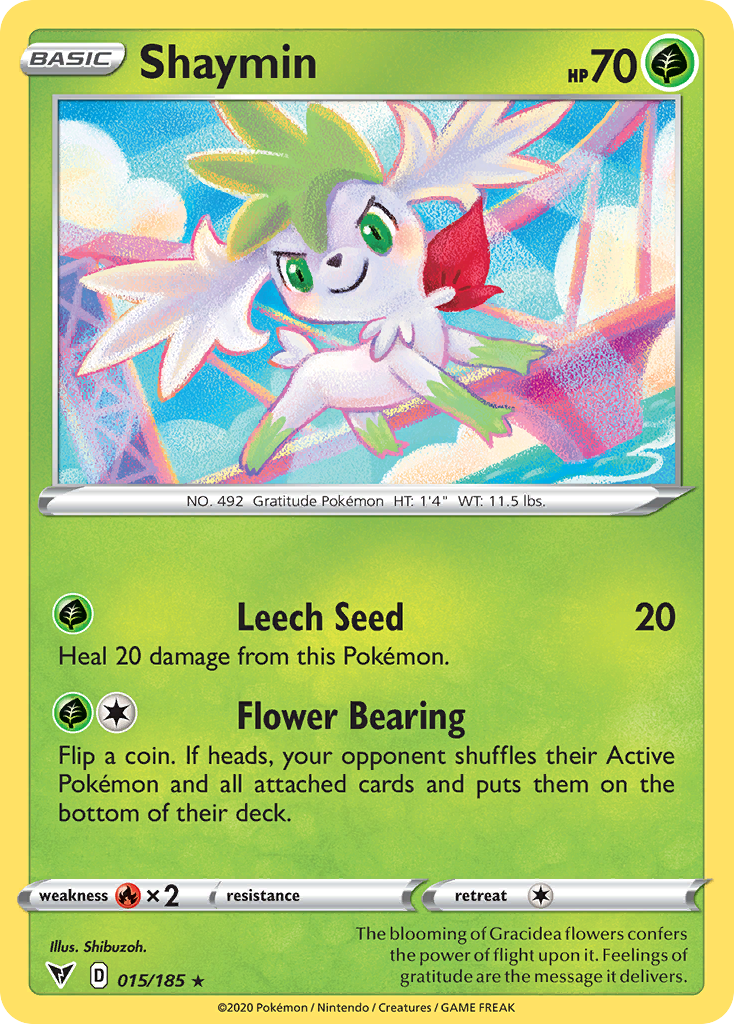
Shaymin
The blooming of Gracidea flowers confers the power of flight upon it. Feelings of gratitude are the message it delivers.

Heal 20 damage from this Pokémon.
| Supertype | Pokémon |
|---|---|
| Subtype | Basic |
| HP | 70 |
| Types | Grass |
| Attack | Leech Seed |
| Attack cost | Grass |
| Artist | Shibuzoh. |
| Rarity | Rare Holo |
| Pokédex | 492 |
Informatie verkoper
- Shopnaam: DutchGem
- Verkoper DutchGem
-
Adres:
gekkestraat
179
2345GT Utrecht

Scarlet & Violet
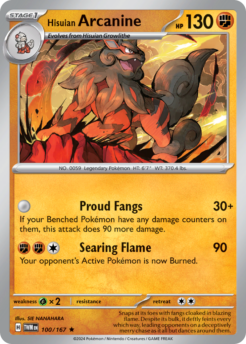
Snaps at its foes with fangs cloaked in blazing flame. Despite its bulk, it deftly feints every which way, leading opponents on a deceptively merry chase as it all but dances around them.

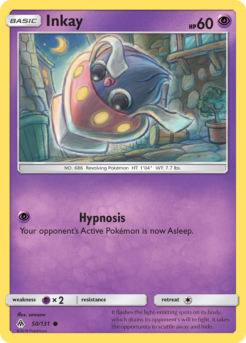
Forbidden Light
It flashes the light-emitting spots on its body, which drains its opponent's will to fight. It takes the opportunity to scuttle away and hide.
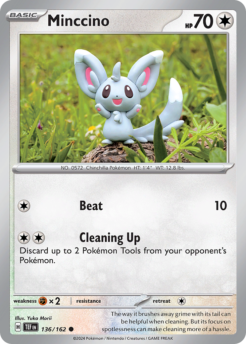
Scarlet & Violet
The way it brushes away grime with its tail can be helpful when cleaning. But its focus on spotlessness can make cleaning more of a hassle.
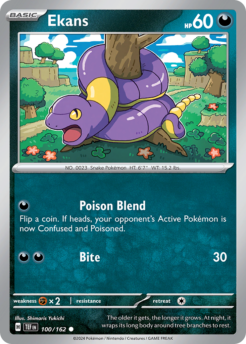
Scarlet & Violet
The older it gets, the longer it grows. At night, it wraps its long body around tree branches to rest.