



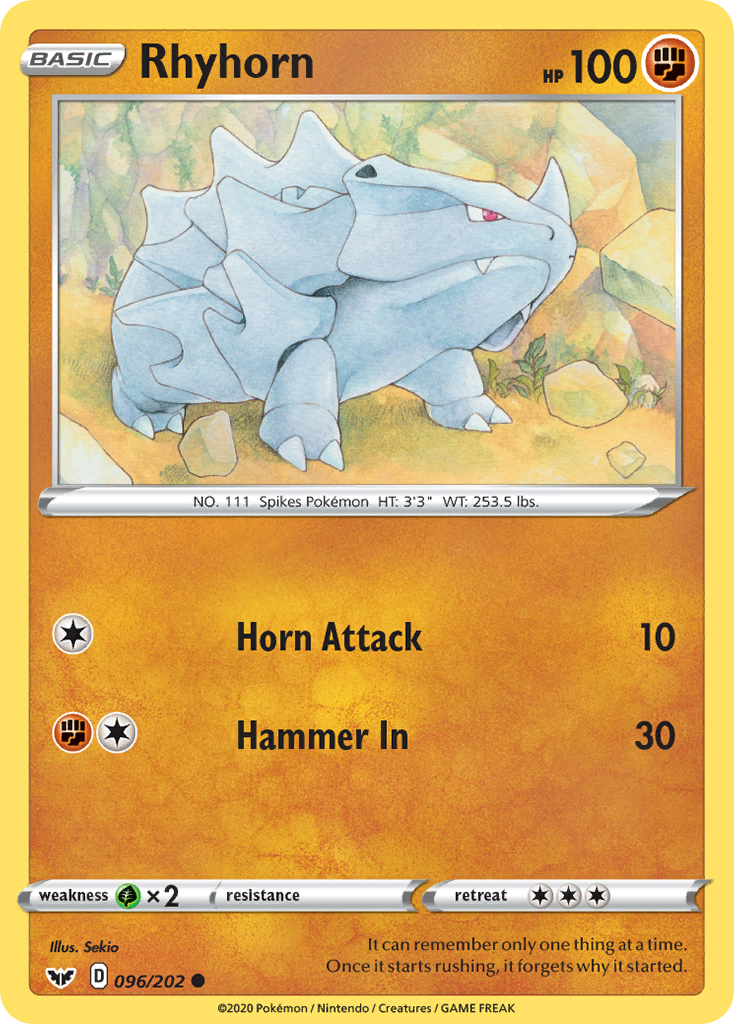
Rhyhorn
It can remember only one thing at a time. Once it starts rushing, it forgets why it started.
| Supertype | Pokémon |
|---|---|
| Subtype | Basic |
| HP | 100 |
| Types | Fighting |
| Attack | Horn Attack |
| Attack cost | Colorless |
| Artist | Sekio |
| Rarity | Common |
| Pokédex | 111 |
| Evolves to | Rhydon |
Informatie verkoper
- Shopnaam: DutchGem
- Verkoper DutchGem
-
Adres:
gekkestraat
179
2345GT Utrecht
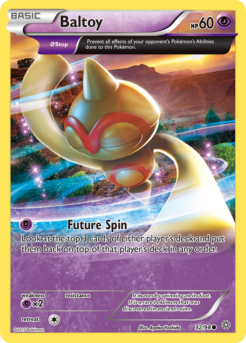
Ancient Origins
It moves by spinning on its foot. It is a rare Pokémon that was discovered in ancient ruins.
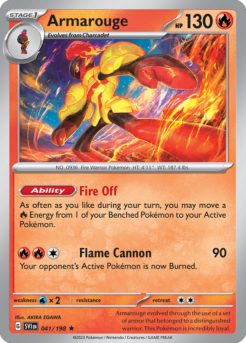
Scarlet & Violet
Armarouge evolved through the use of a set of armor that belonged to a distinguished warrior. This Pokémon is incredibly loyal.
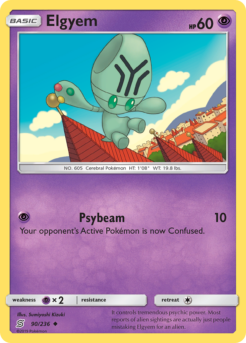
Sun & Moon
It controls tremendous psychic power. Most reports of alien sightings are actually just people mistaking Elgyem for an alien.
Phantom Forces
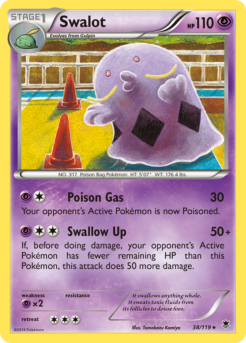
It swallows anything whole. It sweats toxic fluids from its follicles to douse foes.
Gerelateerde producten

Sword & Shield
Discard the top card of your deck. If that card is a Fire Energy card, this attack does 90 more damage.
Sword & Shield
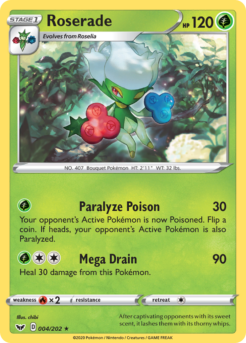
After captivating opponents with its sweet scent, it lashes them with its thorny whips.
Sword & Shield
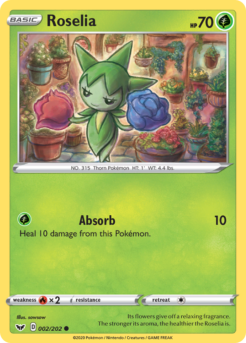
Its flowers give off a relaxing fragrance. The stronger its aroma, the healthier the Roselia is.
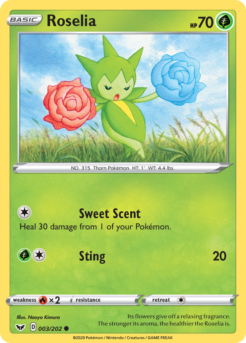
Sword & Shield
Its flowers give off a relaxing fragrance. The stronger its aroma, the healthier the Roselia is.
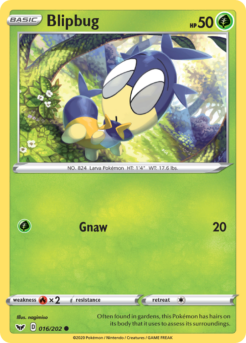
Sword & Shield
Often found in gardens, this Pokémon has hairs on its body that it uses to assess its surroundings.
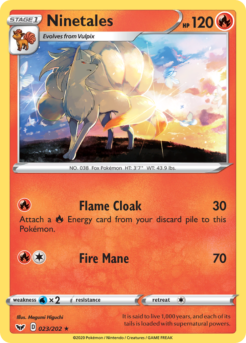
Sword & Shield
It is said to live 1,000 years, and each of its tails is loaded with supernatural powers.
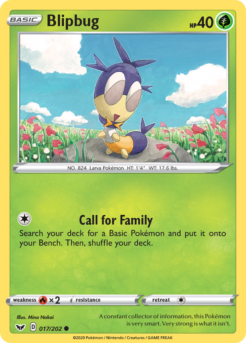
Sword & Shield
A constant collector of information, this Pokémon is very smart. Very strong is what it isn't.
Sword & Shield
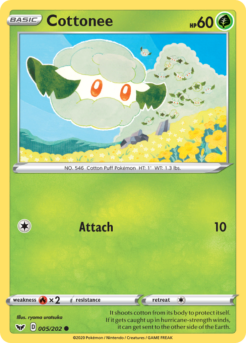
It shoots cotton from its body to protect itself. If it gets caught up in hurricane-strength winds, it can get sent to the other side of the Earth.