


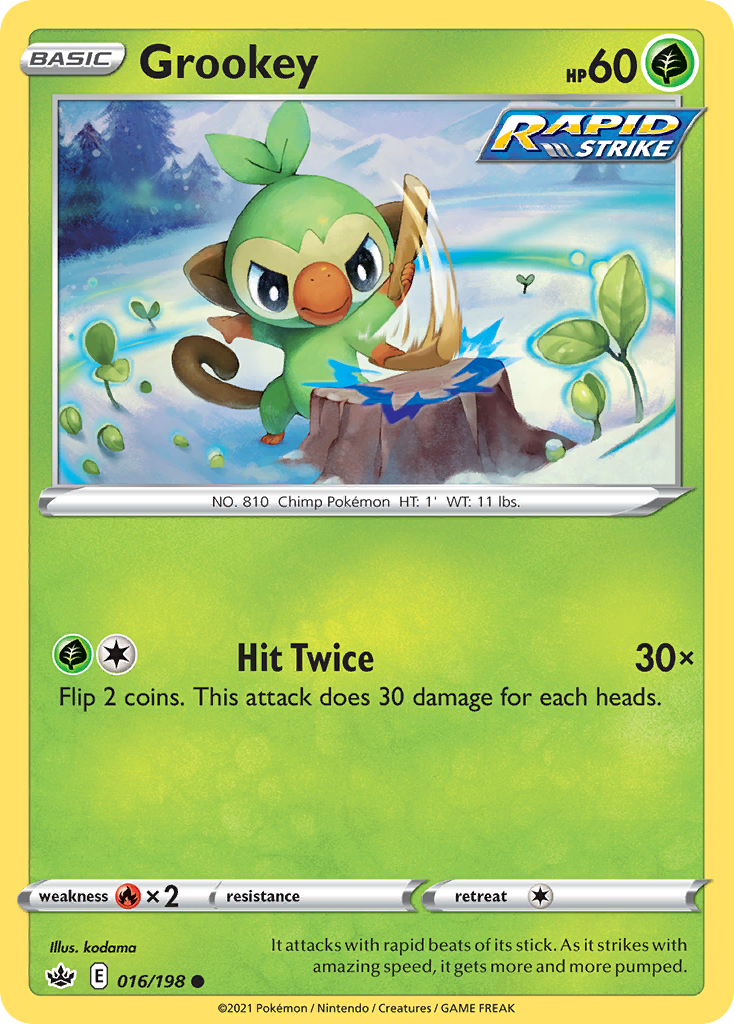
Grookey
It attacks with rapid beats of its stick. As it strikes with amazing speed, it gets more and more pumped.
Flip 2 coins. This attack does 30 damage for each heads.
| Supertype | Pokémon |
|---|---|
| Subtype | Basic |
| HP | 60 |
| Types | Grass |
| Attack | Hit Twice |
| Attack cost | Grass |
| Artist | kodama |
| Rarity | Common |
| Pokédex | 810 |
| Evolves to | Thwackey |
Informatie verkoper
- Shopnaam: DutchGem
- Verkoper DutchGem
-
Adres:
gekkestraat
179
2345GT Utrecht
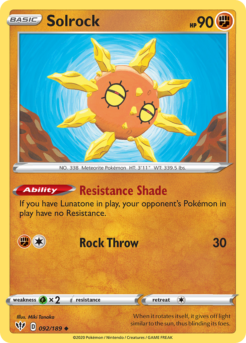
Darkness Ablaze
When it rotates itself, it gives off light similar to the sun, thus blinding its foes.
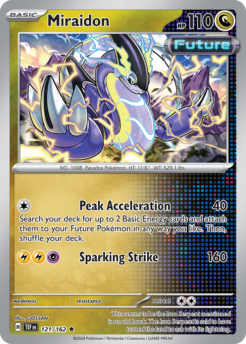
Scarlet & Violet
This seems to be the Iron Serpent mentioned in an old book. The Iron Serpent is said to have turned the land to ash with its lightning.
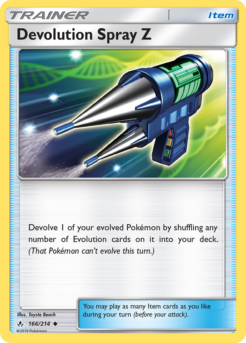
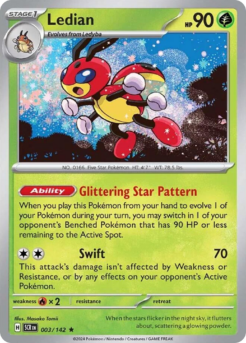
Scarlet & Violet
This attack’s damage isn’t affected by Weakness or Resistance, or by any effects on your opponent’s Active Pokémon.
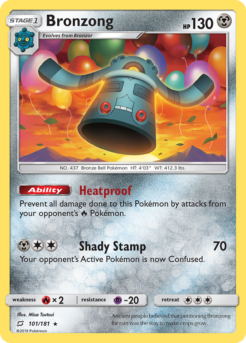
Sun & Moon
Ancient people believed that petitioning Bronzong for rain was the way to make crops grow.
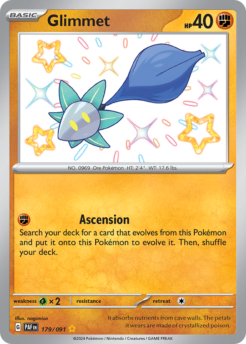
Paldean Fates
It absorbs nutrients from cave walls. The petals it wears are made of crystallized poison.