



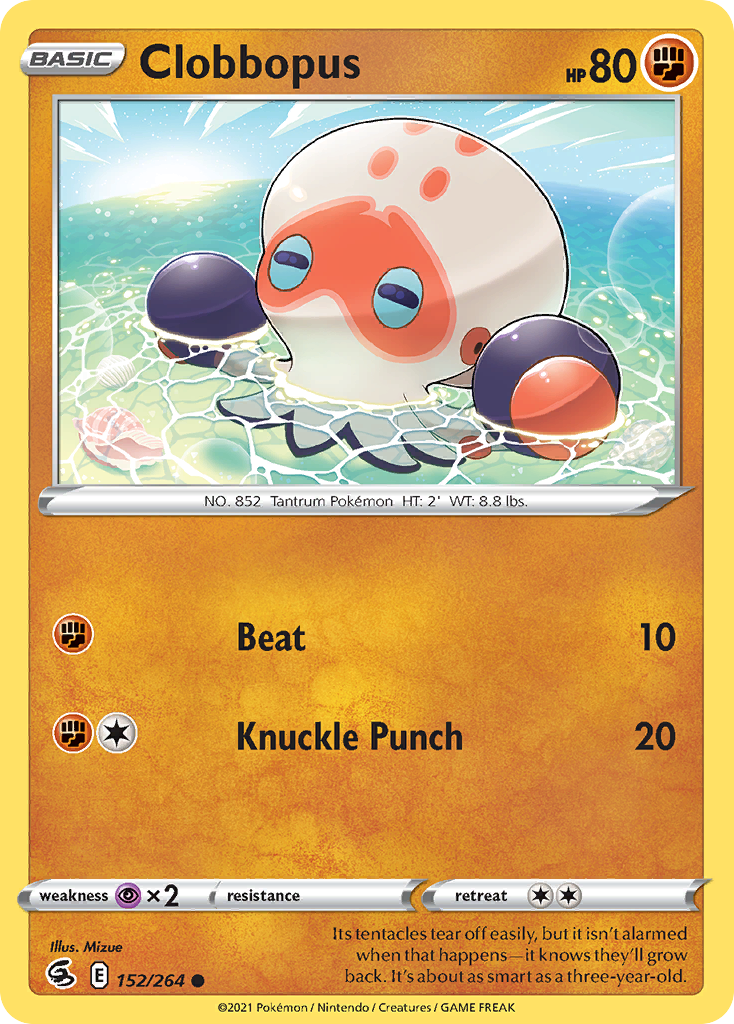
Clobbopus
Its tentacles tear off easily, but it isn’t alarmed when that happens—it knows they’ll grow back. It’s about as smart as a three-year-old.
| Supertype | Pokémon |
|---|---|
| Subtype | Basic |
| HP | 80 |
| Types | Fighting |
| Attack | Beat |
| Attack cost | Fighting |
| Artist | Mizue |
| Rarity | Common |
| Pokédex | 852 |
| Evolves to | Grapploct |
Informatie verkoper
- Shopnaam: DutchGem
- Verkoper DutchGem
-
Adres:
gekkestraat
179
2345GT Utrecht
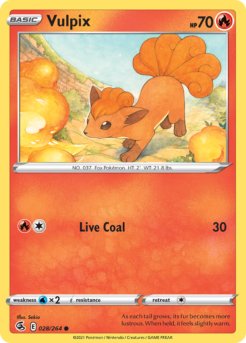
Fusion Strike
As each tail grows, its fur becomes more lustrous. When held, it feels slightly warm.
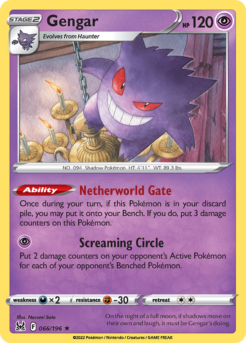
Lost Origin
On the night of a full moon, if shadows move on their own and laugh, it must be Gengar's doing.
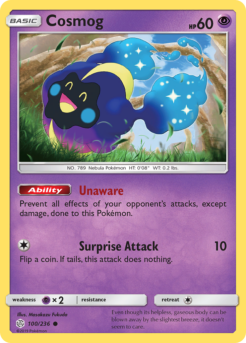
Cosmic Eclipse
Even though its helpless, gaseous body can be blown away by the slightest breeze, it doesn't seem to care.
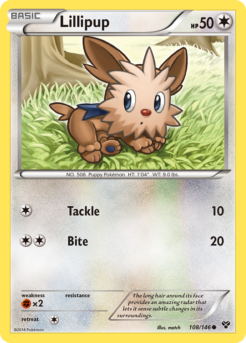
XY
The long hair around its face provides an amazing radar that lets it sense subtle changes in its surroundings.
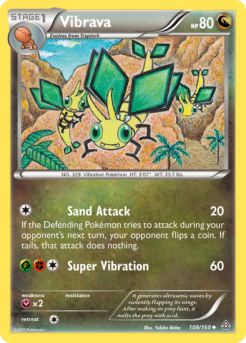
Primal Clash
It generates ultrasonic waves by violently flapping its wings. After making its prey faint, it melts the prey with acid.
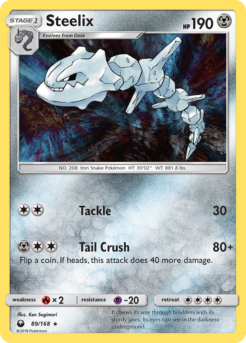
Celestial Storm
It chews its way through boulders with its sturdy jaws. Its eyes can see in the darkness underground.