



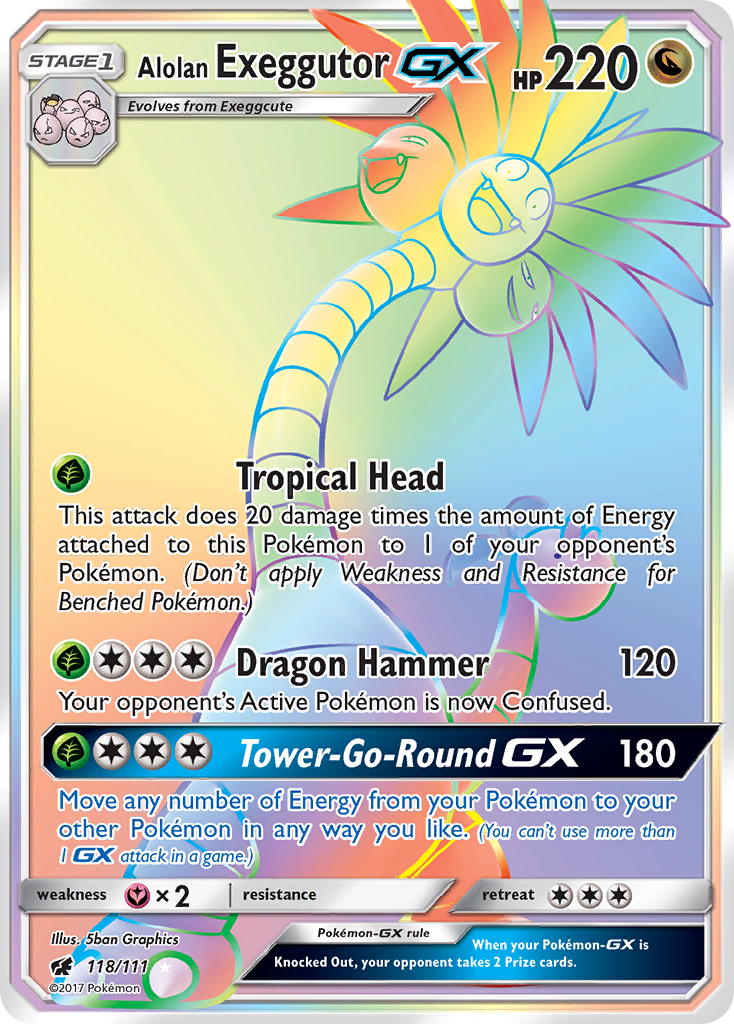

This attack does 20 damage times the amount of Energy attached to this Pokémon to 1 of your opponent’s Pokémon. (Don’t apply Weakness and Resistance for Benched Pokémon.)
| Supertype | Pokémon |
|---|---|
| Subtype | Stage 1 |
| HP | 220 |
| Types | Dragon |
| Attack | Tropical Head |
| Attack cost | Grass |
| Artist | 5ban Graphics |
| Rarity | Rare Rainbow |
| Pokédex | 103 |
| Evolves from | Exeggcute |
Informatie verkoper
- Shopnaam: DutchGem
- Verkoper DutchGem
-
Adres:
gekkestraat
179
2345GT Utrecht
Base
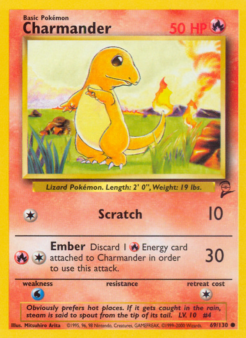
Obviously prefers hot places. If it gets caught in the rain, steam is said to spout from the tip of its tail.
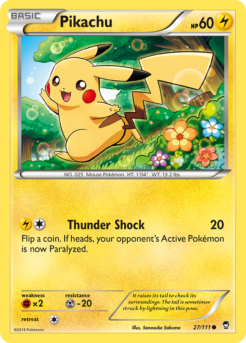
Furious Fists
It raises its tail to check its surroundings. The tail is sometimes struck by lightning in this pose.
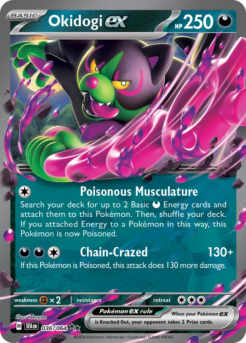
Scarlet & Violet
Search your deck for up to 2 Basic Darkness Energy cards and attach them to this Pokémon. Then, shuffle your deck. If you attached Energy to a Pokémon in this way, this Pokémon is now Poisoned.
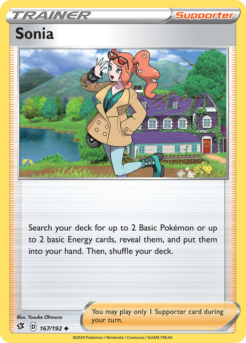
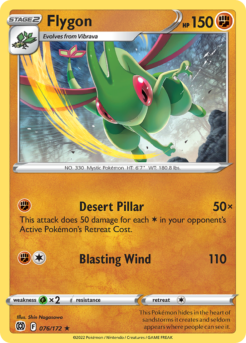
Brilliant Stars
This Pokémon hides in the heart of sandstorms it creates and seldom appears where people can see it.
Sun & Moon
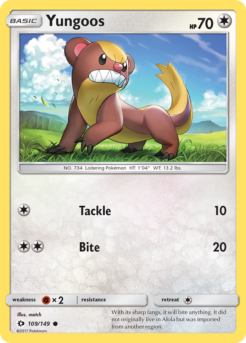
With its sharp fangs, it will bite anything. It did not originally live in Alola but was imported from another region.
Gerelateerde producten
Sun & Moon
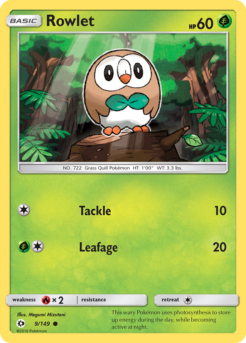
This wary Pokémon uses photosynthesis to store up energy during the day, while becoming active at night.
Sun & Moon
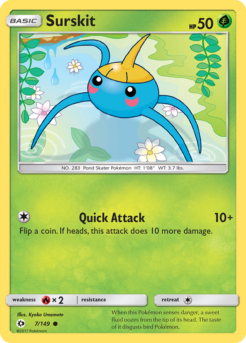
When this Pokémon senses danger, a sweet fluid oozes from the tip of its heads. The taste of it disgusts bird Pokémon.
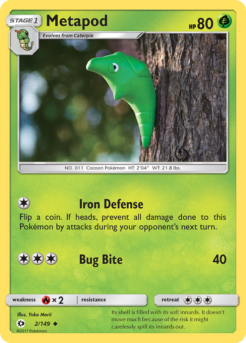
Sun & Moon
Its shell is filled with its soft innards. It doesn't move much because of the risk it might carelessly spill its innards out.
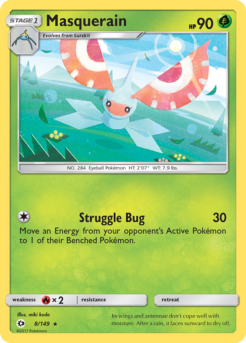
Sun & Moon
Its wings and antennae don't cope well with moisture. After a rain, it faces sunward to dry off.
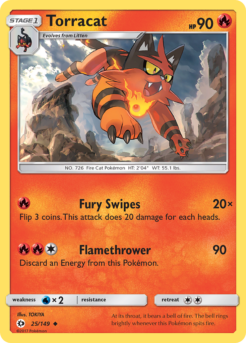
Sun & Moon
At its throat, it bears a bell of fire. The bell rings brightly whenever this Pokémon spits fire.
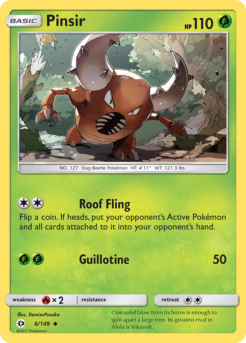
Sun & Moon
One solid blow from its horns is enough to split apart a large tree. Its greatest rival in Alola is Vikavolt.
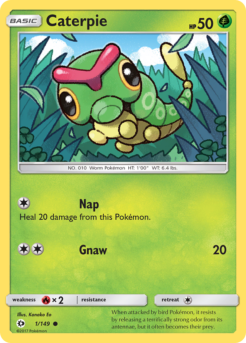
Sun & Moon
When attacked by bird Pokémon, it resists by releasing a terrifically strong odor from its antennae, but it often becomes their prey.