


| Supertype | Pokémon |
|---|---|
| Subtype | Basic |
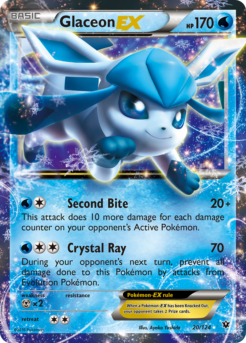
| HP | 210 |
| Types | Metal |
| Attack | Slash |
| Attack cost | Metal |
| Artist | aky CG Works |
| Rarity | Rare Holo V |
| Pokédex | 681 |
Informatie verkoper
- Shopnaam: DutchGem
- Verkoper DutchGem
-
Adres:
gekkestraat
179
2345GT Utrecht

BREAKthrough
Because it is very proud, it hates accepting food from people. Its thick down guards it from cold.
Evolutions
So rare that it is still said to be a mirage by many experts. Only a few people have seen it worldwide.
Scarlet & Violet
Switch in 1 of your opponent’s Benched Pokémon to the Active Spot. If you do, this attack does 120 damage to the new Active Pokémon. If you didn’t play Xerosic’s Machinations from your hand during this turn, this attack does nothing.
Paldean Fates
Evolution made it even more devious. It communicates by clawing signs in boulders.
Evolutions
It is easily angered. By swinging its well-developed horn wildly, it can even punch through diamond.
Gerelateerde producten
Sword & Shield
By drumming, it taps into the power of its special tree stump. The roots of the stump follow its direction in battle.
Sword & Shield
Its flowers give off a relaxing fragrance. The stronger its aroma, the healthier the Roselia is.
Sword & Shield
It shoots cotton from its body to protect itself. If it gets caught up in hurricane-strength winds, it can get sent to the other side of the Earth.
Sword & Shield
It emits psychic energy to observe and study what's around it—and what's around it can include things over six miles away.
Sword & Shield
It whirls around in the wind while singing a joyous song. This delightful display has charmed many into raising this Pokémon.
Sword & Shield
When it uses its special stick to strike up a beat, the sound waves produced carry revitalizing energy to the plants and flowers in the area.
Sword & Shield
Only female Salazzle exist. They emit a gas laden with pheromones to captivate male Salandit.
Sword & Shield
Its venom sacs produce a fluid that this Pokémon then heats up with the flame in its tail. This process creates Salandit's poisonous gas.