



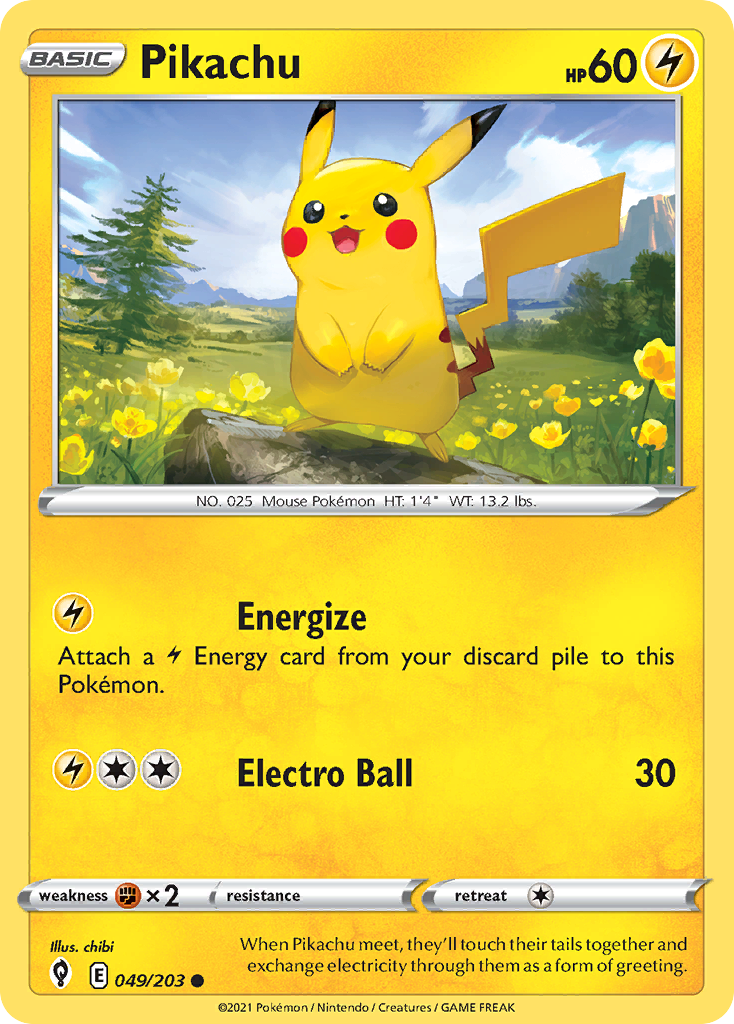
Pikachu
When Pikachu meet, they’ll touch their tails together and exchange electricity through them as a form of greeting.

Attach a Lightning Energy card from your discard pile to this Pokémon.
| Supertype | Pokémon |
|---|---|
| Subtype | Basic |
| HP | 60 |
| Types | Lightning |
| Attack | Energize |
| Attack cost | Lightning |
| Artist | chibi |
| Rarity | Common |
| Pokédex | 25 |
| Evolves to | Raichu |
Informatie verkoper
- Shopnaam: DutchGem
- Verkoper DutchGem
-
Adres:
gekkestraat
179
2345GT Utrecht
Sun & Moon
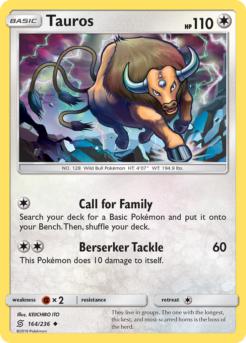
They live in groups. The one with the longest, thickest, and most-scarred horns is the boss of the herd.
Crimson Invasion
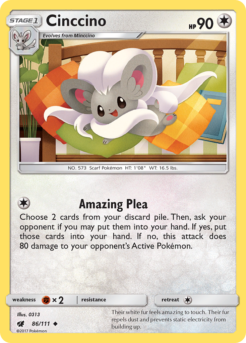
Their white fur feels amazing to touch. Their fur repels dust and prevents static electricity from building up.
BREAKthrough
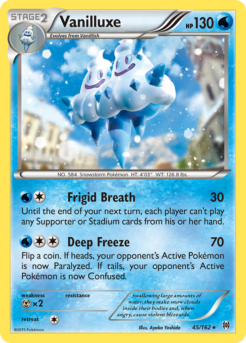
Swallowing large amounts of water, they make snow clouds inside their bodies and, when angry, cause violent blizzards.
XY
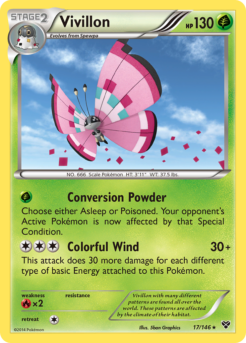
Vivillon with many different patterns are found all over the world. These patterns are affected by the climate of their habitat.
Gerelateerde producten
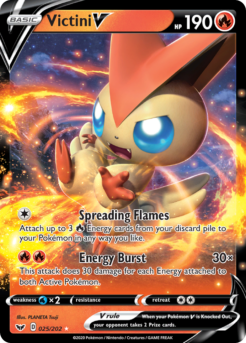
Sword & Shield
Attach up to 3 Fire Energy cards from your discard pile to your Pokémon in any way you like.
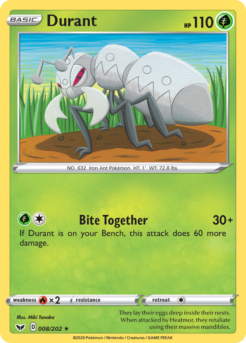
Sword & Shield
They lay their eggs deep inside their nests. When attacked by Heatmor, they retaliate using their massive mandibles.
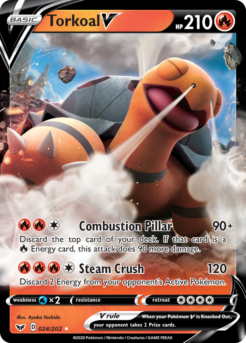
Sword & Shield
Discard the top card of your deck. If that card is a Fire Energy card, this attack does 90 more damage.
Sword & Shield
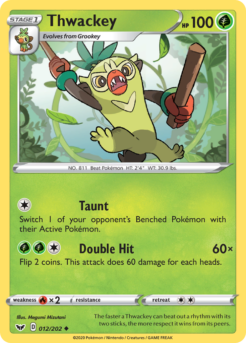
The faster a Thwackey can beat out a rhythm with its two sticks, the more respect it wins from its peers.
Sword & Shield
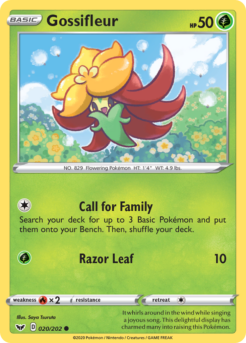
It whirls around in the wind while singing a joyous song. This delightful display has charmed many into raising this Pokémon.
Sword & Shield
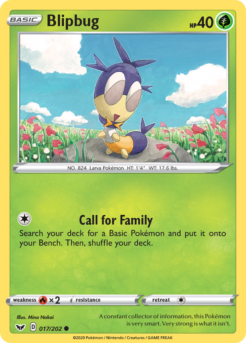
A constant collector of information, this Pokémon is very smart. Very strong is what it isn't.
Sword & Shield
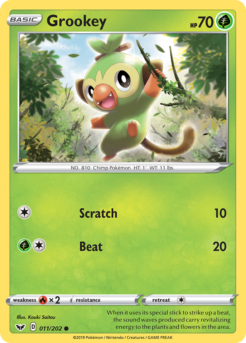
When it uses its special stick to strike up a beat, the sound waves produced carry revitalizing energy to the plants and flowers in the area.
Sword & Shield
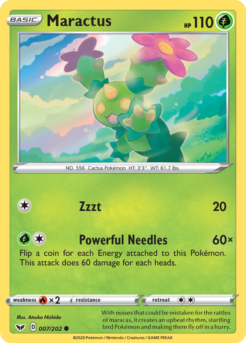
With noises that could be mistaken for the rattles of maracas, it creates an upbeat rhythm, startling bird Pokémon and making them fly off in a hurry.