



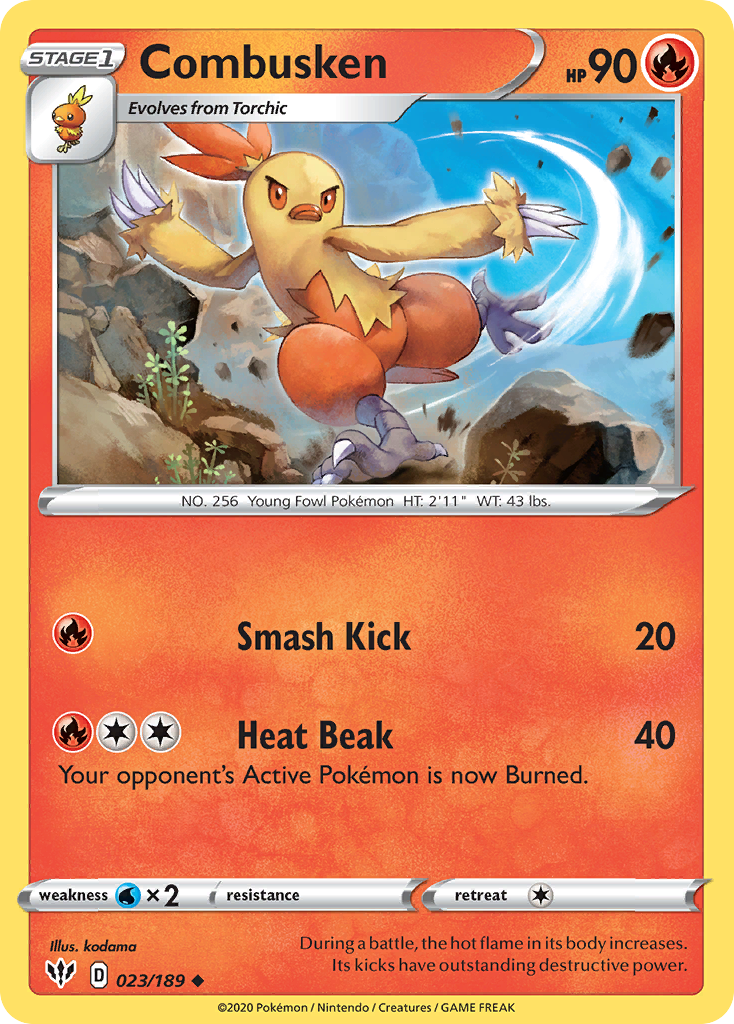
Combusken
During a battle, the hot flame in its body increases. Its kicks have outstanding destructive power.
| Supertype | Pokémon |
|---|---|
| Subtype | Stage 1 |
| HP | 90 |
| Types | Fire |
| Attack | Smash Kick |
| Attack cost | Fire |
| Artist | kodama |
| Rarity | Uncommon |
| Pokédex | 256 |
| Evolves from | Torchic |
| Evolves to | Blaziken |
Informatie verkoper
- Shopnaam: DutchGem
- Verkoper DutchGem
-
Adres:
gekkestraat
179
2345GT Utrecht
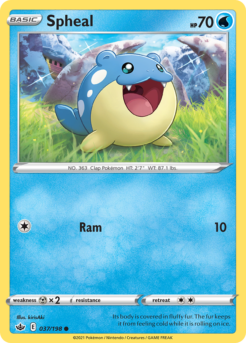
Chilling Reign
Its body is covered in fluffy fur. The fur keeps it from feeling cold while it is rolling on ice.
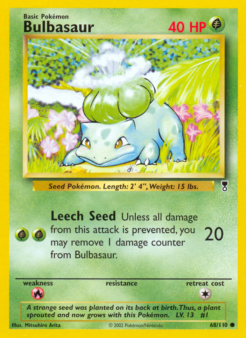
Base
A strange seed was planted on its back at birth. Thus, a plant sprouted and now grows with this Pokémon.
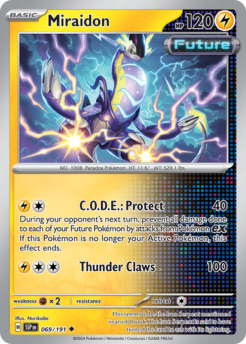
Scarlet & Violet
During your opponent’s next turn, prevent all damage done to each of your Future Pokémon by attacks from Pokémon ex. If this Pokémon is no longer your Active Pokémon, this effect ends.
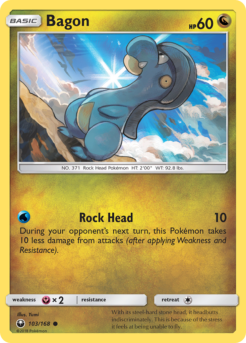
Celestial Storm
With its steel-hard stone head, it headbutts indiscriminately. This is because of the stress it feels at being unable to fly.
Gerelateerde producten
Sword & Shield
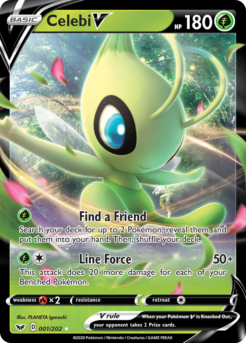
Search your deck for up to 2 Pokémon, reveal them, and put them into your hand. Then, shuffle your deck.
Sword & Shield
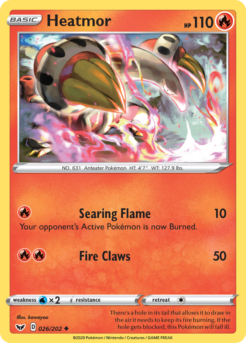
There's a hole in its tail that allows it to draw in the air it needs to keep its fire burning. If the hole gets blocked, this Pokémon will fall ill.
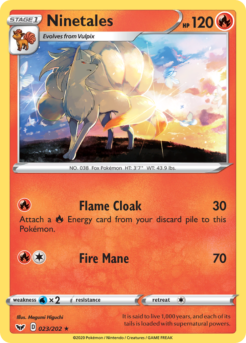
Sword & Shield
It is said to live 1,000 years, and each of its tails is loaded with supernatural powers.
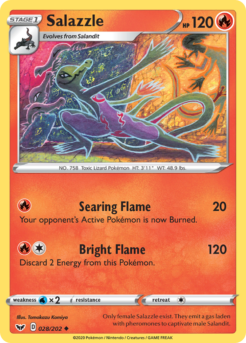
Sword & Shield
Only female Salazzle exist. They emit a gas laden with pheromones to captivate male Salandit.
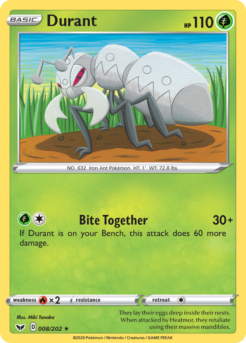
Sword & Shield
They lay their eggs deep inside their nests. When attacked by Heatmor, they retaliate using their massive mandibles.
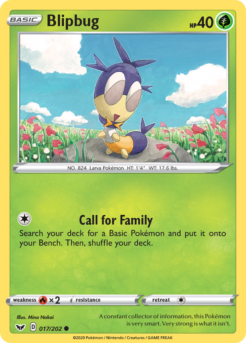
Sword & Shield
A constant collector of information, this Pokémon is very smart. Very strong is what it isn't.
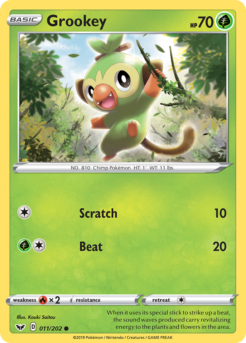
Sword & Shield
When it uses its special stick to strike up a beat, the sound waves produced carry revitalizing energy to the plants and flowers in the area.
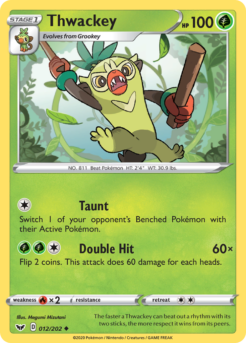
Sword & Shield
The faster a Thwackey can beat out a rhythm with its two sticks, the more respect it wins from its peers.