



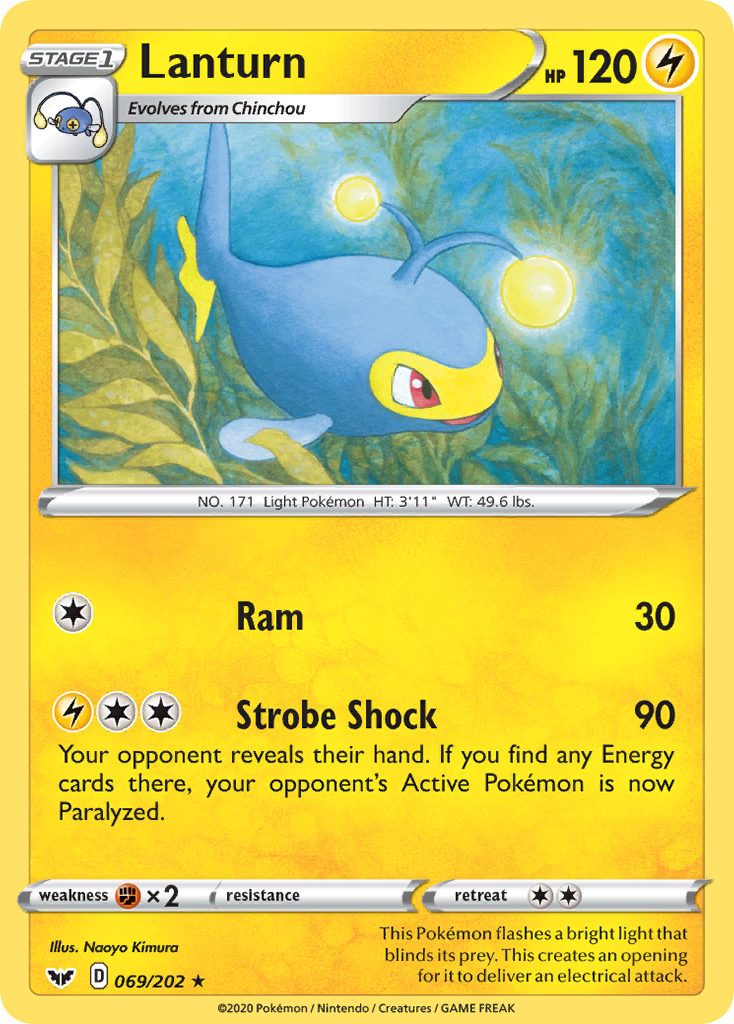
Lanturn
This Pokémon flashes a bright light that blinds its prey. This creates an opening for it to deliver an electrical attack.
| Supertype | Pokémon |
|---|---|
| Subtype | Stage 1 |
| HP | 120 |
| Types | Lightning |
| Attack | Ram |
| Attack cost | Colorless |
| Artist | Naoyo Kimura |
| Rarity | Rare |
| Pokédex | 171 |
| Evolves from | Chinchou |
Informatie verkoper
- Shopnaam: DutchGem
- Verkoper DutchGem
-
Adres:
gekkestraat
179
2345GT Utrecht
Fusion Strike
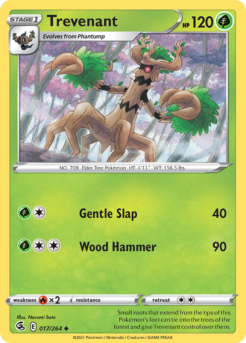
Small roots that extend from the tips of this Pokémon's feet can tie into the trees of the forest and give Trevenant control over them.
Scarlet & Violet
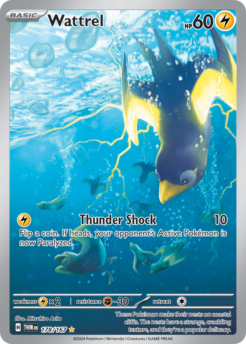
These Pokémon make their nests on coastal cliffs. The nests have a strange, crackling texture, and they're a popular delicacy.

Chilling Reign
This attack does 50 more damage for each Energy attached to your opponent’s Active Pokémon.

Base
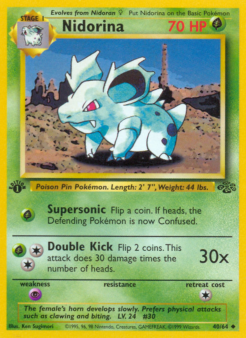
The female's horn develops slowly. Prefers physical attacks such as clawing and biting.
Gerelateerde producten
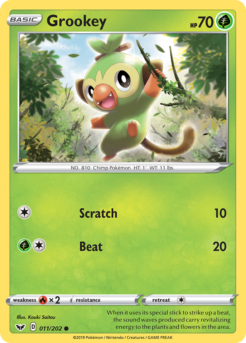
Sword & Shield
When it uses its special stick to strike up a beat, the sound waves produced carry revitalizing energy to the plants and flowers in the area.
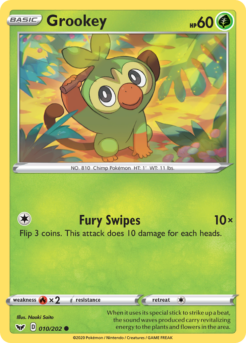
Sword & Shield
When it uses its special stick to strike up a beat, the sound waves produced carry revitalizing energy to the plants and flowers in the area.
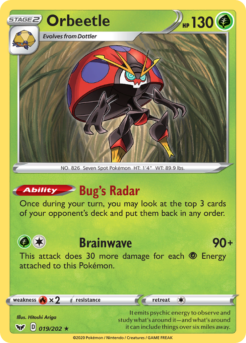
Sword & Shield
It emits psychic energy to observe and study what's around it—and what's around it can include things over six miles away.
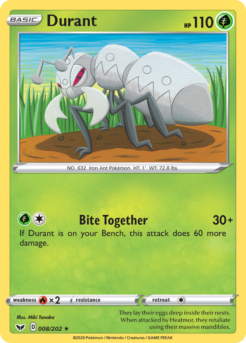
Sword & Shield
They lay their eggs deep inside their nests. When attacked by Heatmor, they retaliate using their massive mandibles.
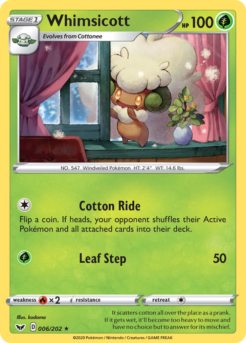
Sword & Shield
It scatters cotton all over the place as a prank. If it gets wet, it'll become too heavy to move and have no choice but to answer for its mischief.
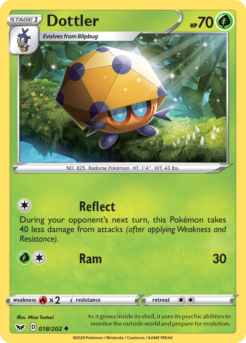
Sword & Shield
As it grows inside its shell, it uses its psychic abilities to monitor the outside world and prepare for evolution.
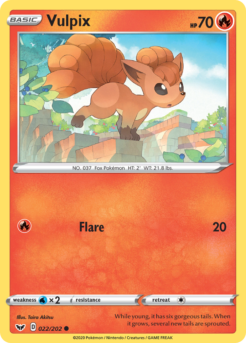
Sword & Shield
While young, it has six gorgeous tails. When it grows, several new tails are sprouted.
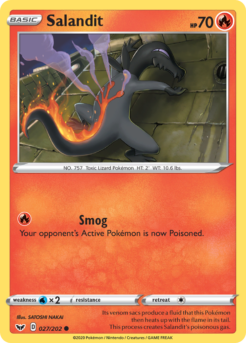
Sword & Shield
Its venom sacs produce a fluid that this Pokémon then heats up with the flame in its tail. This process creates Salandit's poisonous gas.