



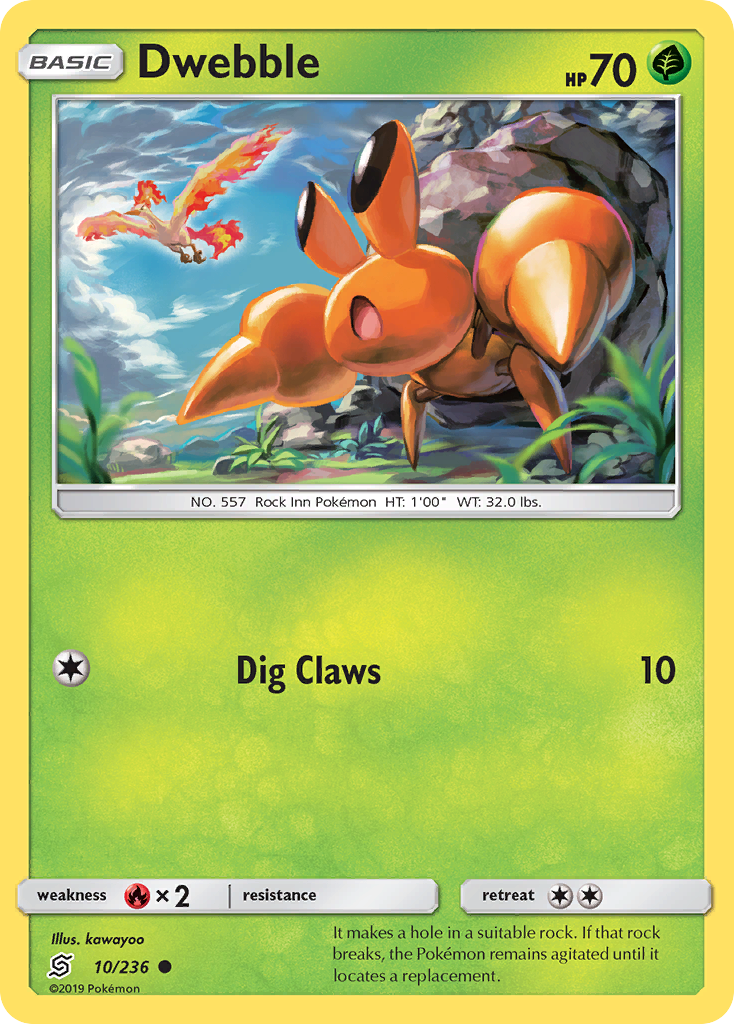
Dwebble
It makes a hole in a suitable rock. If that rock breaks, the Pokémon remains agitated until it locates a replacement.
| Supertype | Pokémon |
|---|---|
| Subtype | Basic |
| HP | 70 |
| Types | Grass |
| Attack | Dig Claws |
| Attack cost | Colorless |
| Artist | kawayoo |
| Rarity | Common |
| Pokédex | 557 |
| Evolves to | Crustle |
Informatie verkoper
- Shopnaam: DutchGem
- Verkoper DutchGem
-
Adres:
gekkestraat
179
2345GT Utrecht
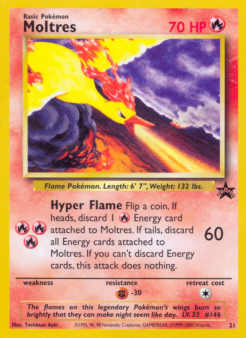
Base
The flames on this legendary Pokémon's wings burn so brightly that they can make night seem like day.
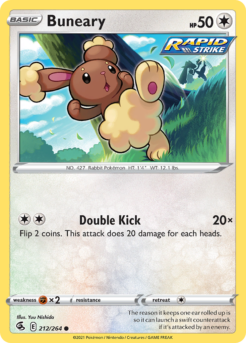
Fusion Strike
The reason it keeps one ear rolled up is so it can launch a swift counterattack if it's attacked by an enemy.
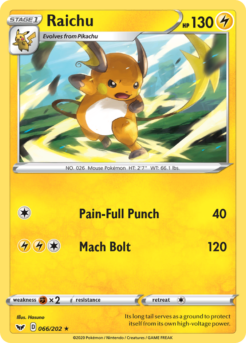
Sword & Shield
Its long tail serves as a ground to protect itself from its own high-voltage power.
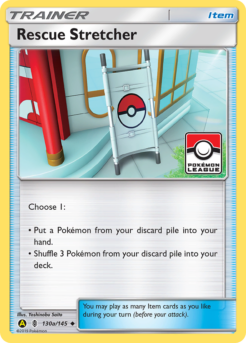
Sun & Moon
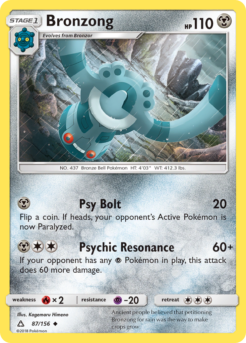
Ancient people believed that petitioning Bronzong for rain was the way to make crops grow.
Forbidden Light
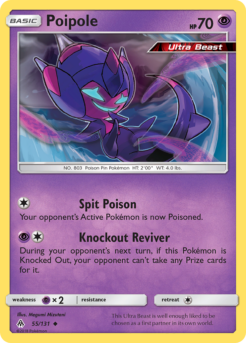
This Ultra Beast is well enough liked to be chosen as a first partner in its own world.
Gerelateerde producten
Sun & Moon
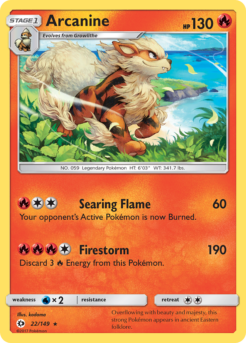
Overflowing with beauty and majesty, this strong Pokémon appears in ancient Eastern folklore.
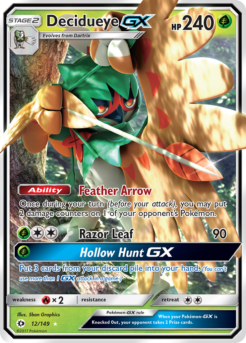
Sun & Moon
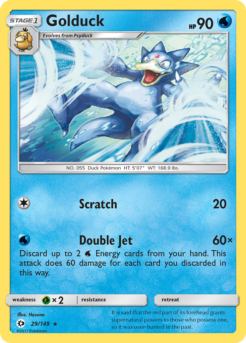
It is said that the red part of its forehead grants supernatural powers to those who posses one, so it was over-hunted in the past.
Sun & Moon
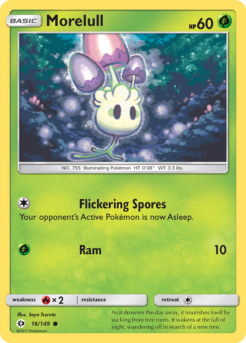
As it drowses the day away, it nourishes itself by sucking from tree roots. It wakens at the fall of night, wandering off in search of a new tree.
Sun & Moon
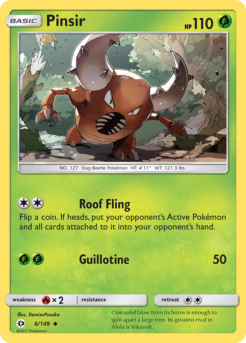
One solid blow from its horns is enough to split apart a large tree. Its greatest rival in Alola is Vikavolt.
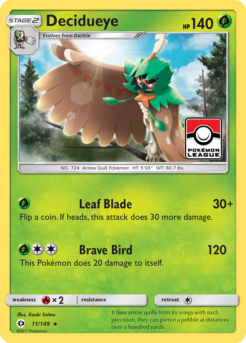
Sun & Moon
It fires arrow quills from its wings with such precision, they can pierce a pebble at distances over a hundred yards.
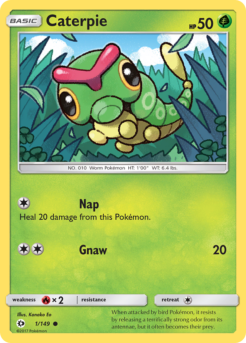
Sun & Moon
When attacked by bird Pokémon, it resists by releasing a terrifically strong odor from its antennae, but it often becomes their prey.