



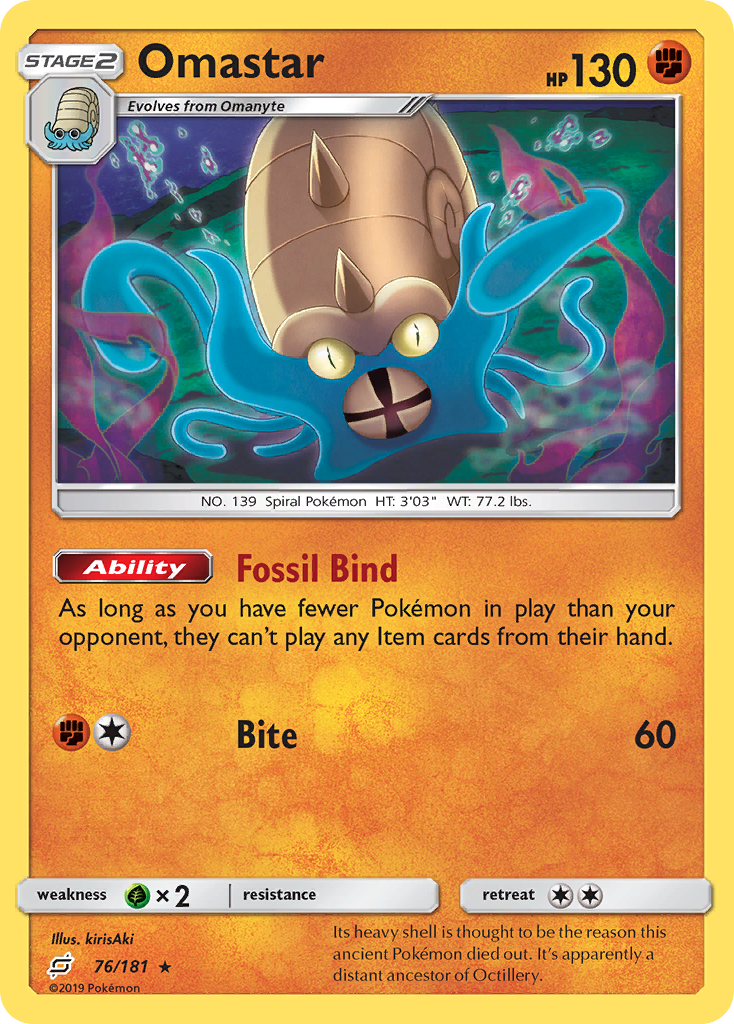
Omastar

Its heavy shell is thought to be the reason this ancient Pokémon died out. It’s apparently a distant ancestor of Octillery.

| Supertype | Pokémon |
|---|---|
| Subtype | Stage 2 |
| HP | 130 |
| Types | Fighting |
| Attack | Bite |
| Attack cost | Fighting |
| Artist | kirisAki |
| Rarity | Rare Holo |
| Pokédex | 139 |
| Evolves from | Omanyte |
Informatie verkoper
- Shopnaam: DutchGem
- Verkoper DutchGem
-
Adres:
gekkestraat
179
2345GT Utrecht
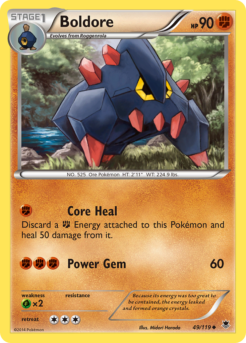
Phantom Forces
Because its energy was too great to be contained, the energy leaked and formed orange crystals.
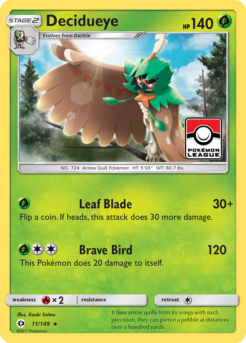
Sun & Moon
It fires arrow quills from its wings with such precision, they can pierce a pebble at distances over a hundred yards.
Sun & Moon
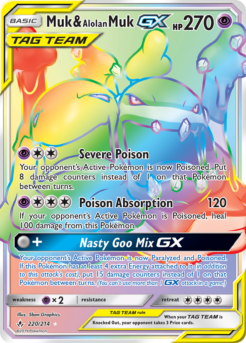
Your opponent’s Active Pokémon is now Poisoned. Put 8 damage counters instead of 1 on that Pokémon between turns.
Paldean Fates
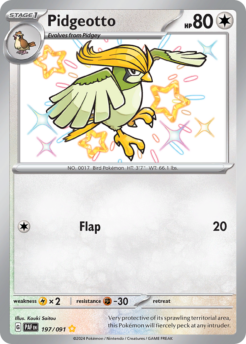
Very protective of its sprawling territorial area, this Pokémon will fiercely peck at any intruder.

Darkness Ablaze
They use shells they've stolen from Shelmet to arm and protect themselves. They're very popular Pokémon in the Galar region.
Gerelateerde producten
Sun & Moon
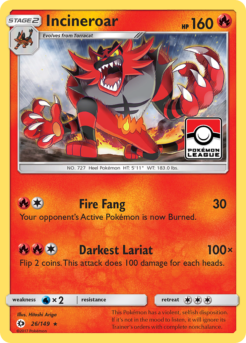
This Pokémon has a violent, selfish disposition. If it's not in the mood to listen, it will ignore its Trainer's orders with complete nonchalance.
Sun & Moon
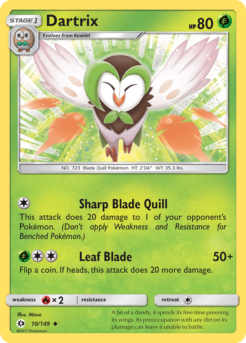
A bit of a dandy, it spends its free time preening its wings. Its preoccupation with any dirt on its plumage can leave it unable to battle.

Sun & Moon
Coal is the source of Torkoal's energy. Large amounts of coal can be found in the mounts where they live.
Sun & Moon
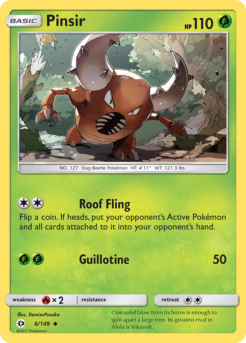
One solid blow from its horns is enough to split apart a large tree. Its greatest rival in Alola is Vikavolt.
Sun & Moon
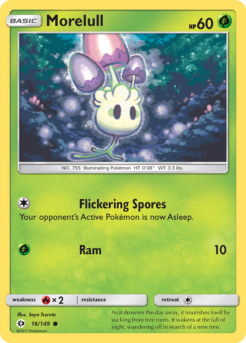
As it drowses the day away, it nourishes itself by sucking from tree roots. It wakens at the fall of night, wandering off in search of a new tree.
Sun & Moon
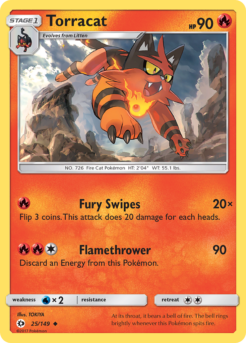
At its throat, it bears a bell of fire. The bell rings brightly whenever this Pokémon spits fire.
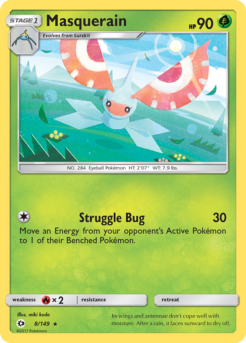
Sun & Moon
Its wings and antennae don't cope well with moisture. After a rain, it faces sunward to dry off.
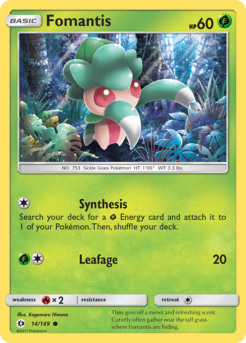
Sun & Moon
They give off a sweet and refreshing scent. Cutiefly often gather near the tall grass where Fomantis are hiding.