



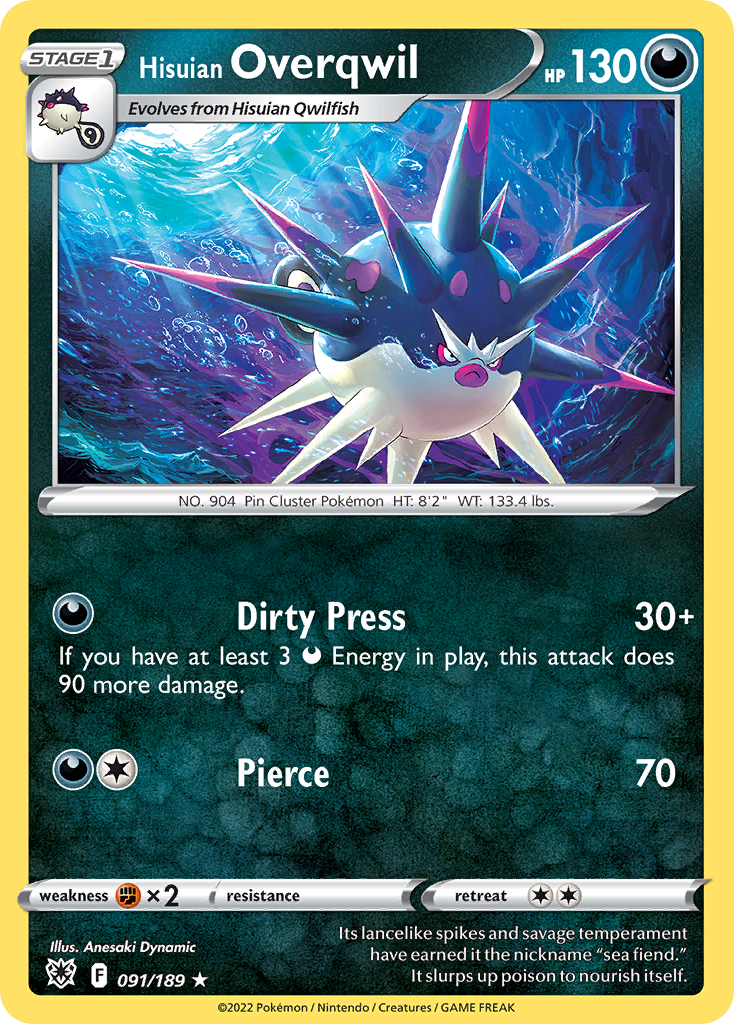
Hisuian Overqwil
Its lancelike spikes and savage temperament have earned it the nickname "sea fiend." It slurps up poison to nourish itself.
If you have at least 3 Darkness Energy in play, this attack does 90 more damage.
| Supertype | Pokémon |
|---|---|
| Subtype | Stage 1 |
| HP | 130 |
| Types | Darkness |
| Attack | Dirty Press |
| Attack cost | Darkness |
| Artist | Anesaki Dynamic |
| Rarity | Rare |
| Pokédex | 904 |
| Evolves from | Hisuian Qwilfish |
Vendor Information
- Store Name: DutchGem
- Vendor: DutchGem
-
Address:
gekkestraat
179
2345GT Utrecht
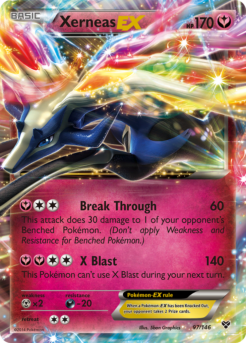
XY
This attack does 30 damage to 1 of your opponent's Benched Pokémon. (Don't apply Weakness and Resistance for Benched Pokémon.)
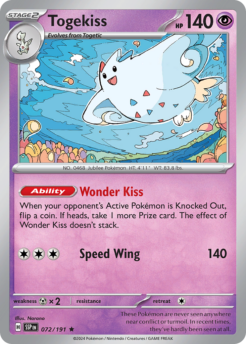
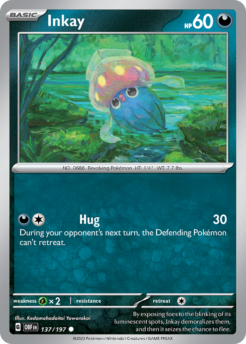
Obsidian Flames
By exposing foes to the blinking of its luminescent spots, Inkay demoralizes them, and then it seizes the chance to flee.
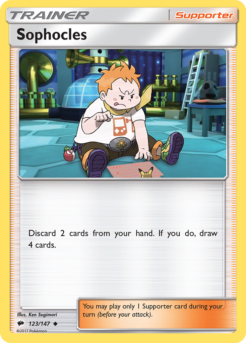
Obsidian Flames
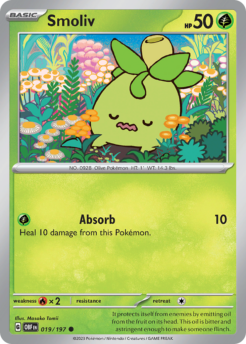
It protects itself from enemies by emitting oil from the fruit on its head. This oil is bitter and astringent enough to make someone flinch.
מוצרים קשורים
Sword & Shield
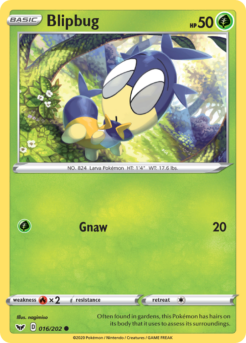
Often found in gardens, this Pokémon has hairs on its body that it uses to assess its surroundings.
Sword & Shield
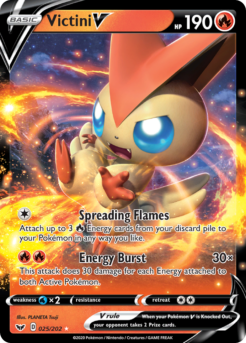
Attach up to 3 Fire Energy cards from your discard pile to your Pokémon in any way you like.
Sword & Shield
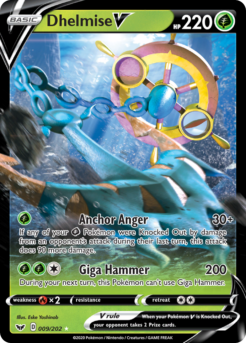
If any of your Grass Pokémon were Knocked Out by damage from an opponent's attack during their last turn, this attack does 90 more damage.
Sword & Shield
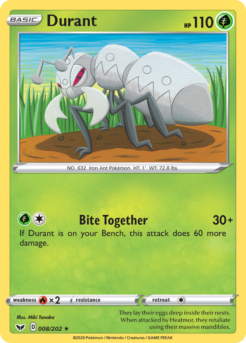
They lay their eggs deep inside their nests. When attacked by Heatmor, they retaliate using their massive mandibles.
Sword & Shield
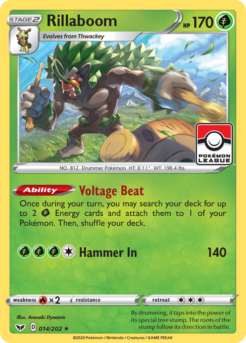
By drumming, it taps into the power of its special tree stump. The roots of the stump follow its direction in battle.
Sword & Shield
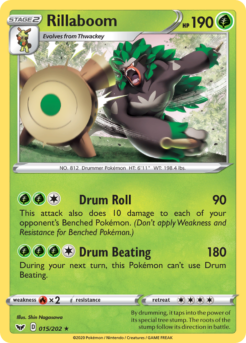
By drumming, it taps into the power of its special tree stump. The roots of the stump follow its direction in battle.
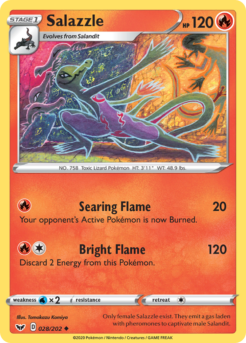
Sword & Shield
Only female Salazzle exist. They emit a gas laden with pheromones to captivate male Salandit.
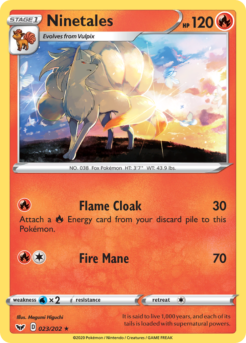
Sword & Shield
It is said to live 1,000 years, and each of its tails is loaded with supernatural powers.