



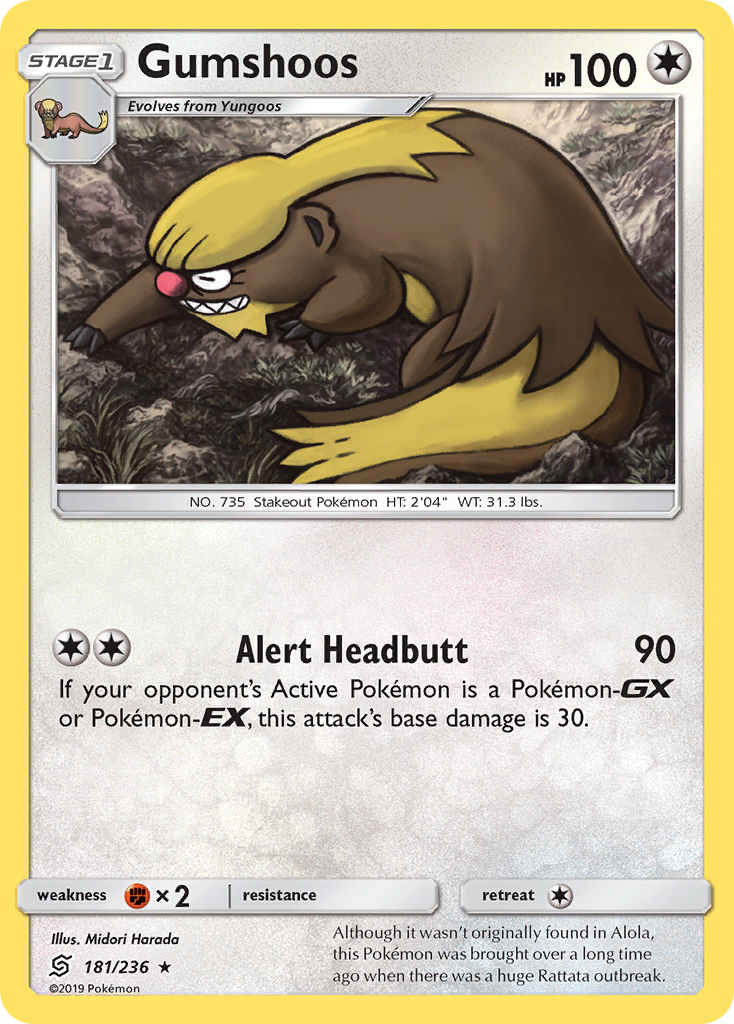
Gumshoos
Although it wasn't originally found in Alola, this Pokémon was brought over a long time ago when there was a huge Rattata outbreak.
If your opponent's Active Pokémon is a Pokémon-GX or Pokémon-EX, this attack's base damage is 30.
| Supertype | Pokémon |
|---|---|
| Subtype | Stage 1 |
| HP | 100 |
| Types | Colorless |
| Attack | Alert Headbutt |
| Attack cost | Colorless |
| Artist | Midori Harada |
| Rarity | Rare |
| Pokédex | 735 |
| Evolves from | Yungoos |
Vendor Information
- Store Name: DutchGem
- Vendor: DutchGem
-
Address:
gekkestraat
179
2345GT Utrecht
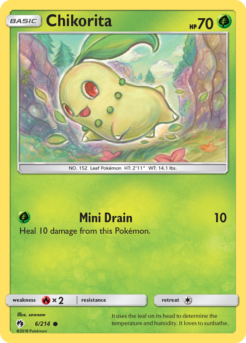
Lost Thunder
It uses the leaf on its head to determine the temperature and humidity. It loves to sunbathe.
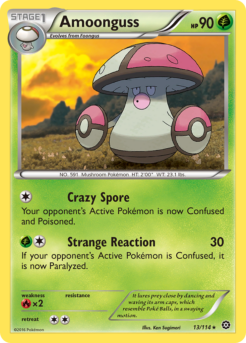
Steam Siege
It lures prey close by dancing and waving its arm caps, which resemble Poké Balls, in a swaying motion.
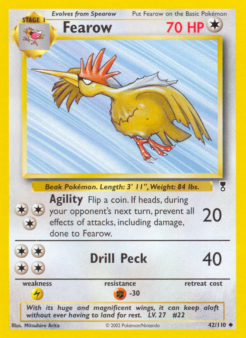
Base
With its huge and magnificent wings, it can keep aloft without ever having to land for rest.
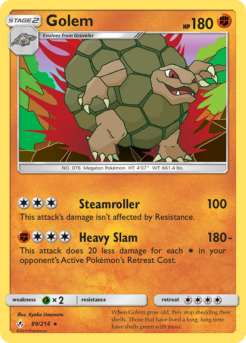
Sun & Moon
When Golem grow old, they stop shedding their shells. Those that have lived a long, long time have shells green with moss.
Forbidden Light
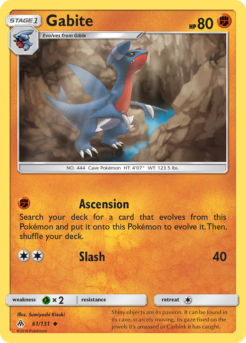
Shiny objects are its passion. It can be found in its cave, scarcely moving, its gaze fixed on the jewels it's amassed or Carbink it has caught.
מוצרים קשורים
Sun & Moon
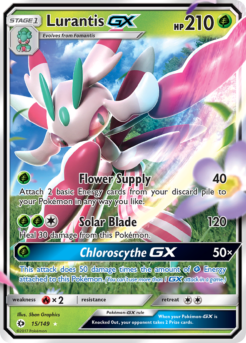
Attach 2 basic Energy cards from your discard pile to your Pokémon in any way you like.
Sun & Moon
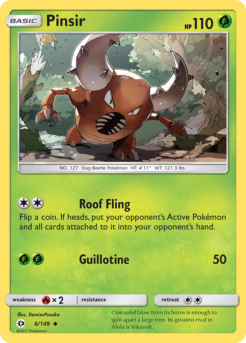
One solid blow from its horns is enough to split apart a large tree. Its greatest rival in Alola is Vikavolt.
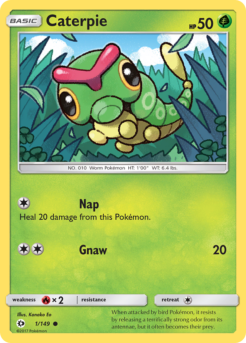
Sun & Moon
When attacked by bird Pokémon, it resists by releasing a terrifically strong odor from its antennae, but it often becomes their prey.
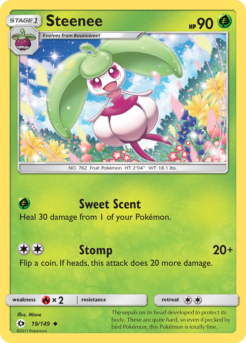
Sun & Moon
The sepals on its head developed to protect its body. These are quite hard, so even if pecked by bird Pokémon, this Pokémon is totally fine.
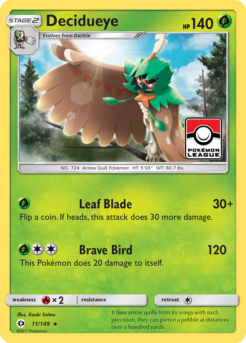
Sun & Moon
It fires arrow quills from its wings with such precision, they can pierce a pebble at distances over a hundred yards.
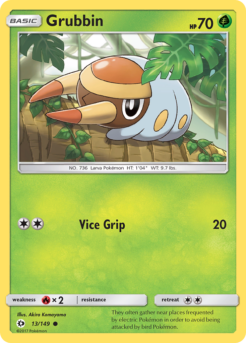
Sun & Moon
They often gather near places frequented by electric Pokémon in order to avoid being attacked by bird Pokémon.
Sun & Moon
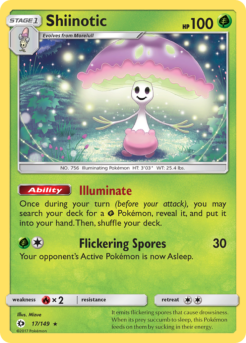
It emits flickering spores that cause drowsiness. When its prey succumb to sleep, this Pokémon feeds on them by sucking in their energy.
Sun & Moon
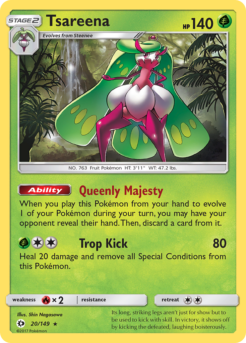
Its long, striking legs aren't just for show but to be used to kick with skill. In victory, it shows off by kicking the defeated, laughing boisterously.