



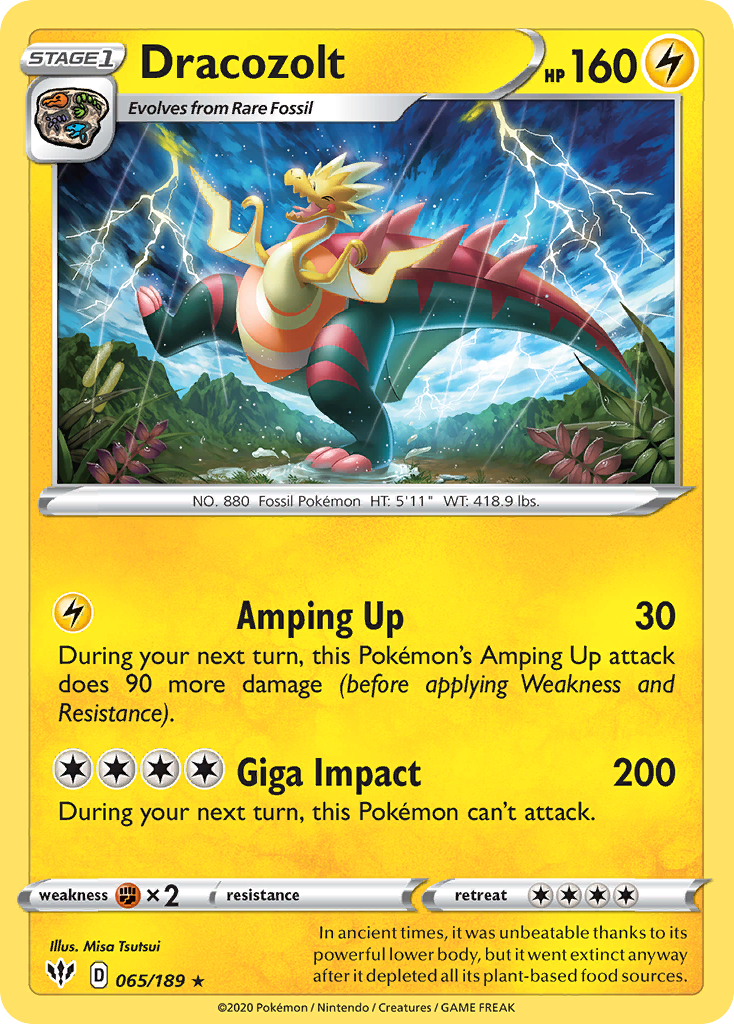
Dracozolt
In ancient times, it was unbeatable thanks to its powerful lower body, but it went extinct anyway after it depleted all its plant-based food sources.
During your next turn, this Pokémon's Amping Up attack does 90 more damage (before applying Weakness and Resistance).
| Supertype | Pokémon |
|---|---|
| Subtype | Stage 1 |
| HP | 160 |
| Types | Lightning |
| Attack | Amping Up |
| Attack cost | Lightning |
| Artist | Misa Tsutsui |
| Rarity | Rare |
| Pokédex | 880 |
| Evolves from | Rare Fossil |
Vendor Information
- Store Name: DutchGem
- Vendor: DutchGem
-
Address:
gekkestraat
179
2345GT Utrecht
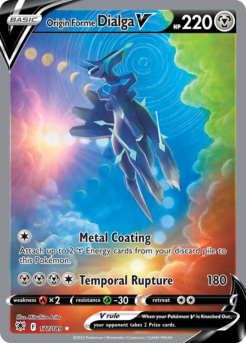
Astral Radiance
Attach up to 2 Metal Energy cards from your discard pile to this Pokémon.
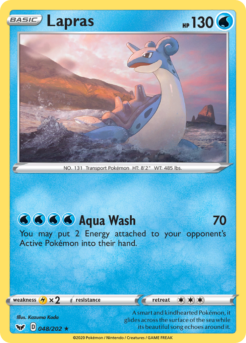
Sword & Shield
A smart and kindhearted Pokémon, it glides across the surface of the sea while its beautiful song echoes around it.
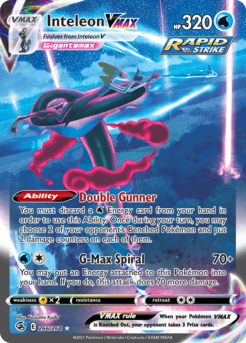
Fusion Strike
You may put an Energy attached to this Pokémon into your hand. If you do, this attack does 70 more damage.
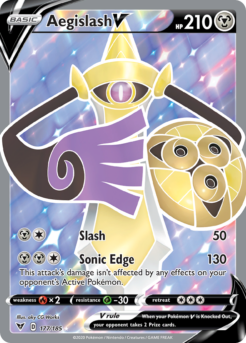
Darkness Ablaze
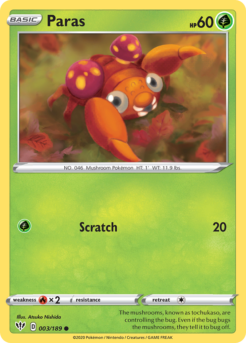
The mushrooms, known as tochukaso, are controlling the bug. Even if the bug bugs the mushrooms, they tell it to bug off.
מוצרים קשורים
Sword & Shield
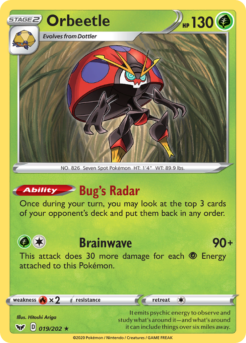
It emits psychic energy to observe and study what's around it—and what's around it can include things over six miles away.
Sword & Shield
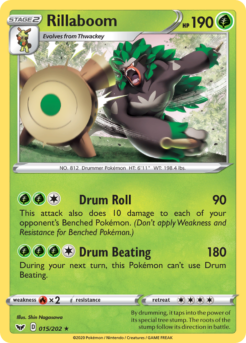
By drumming, it taps into the power of its special tree stump. The roots of the stump follow its direction in battle.
Sword & Shield
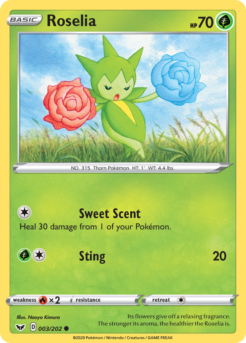
Its flowers give off a relaxing fragrance. The stronger its aroma, the healthier the Roselia is.
Sword & Shield
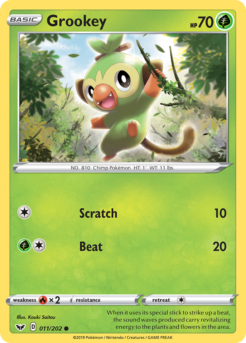
When it uses its special stick to strike up a beat, the sound waves produced carry revitalizing energy to the plants and flowers in the area.
Sword & Shield
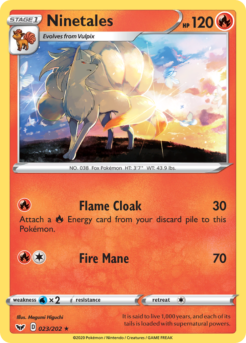
It is said to live 1,000 years, and each of its tails is loaded with supernatural powers.
Sword & Shield
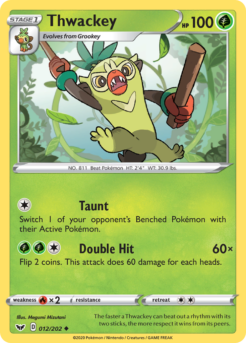
The faster a Thwackey can beat out a rhythm with its two sticks, the more respect it wins from its peers.
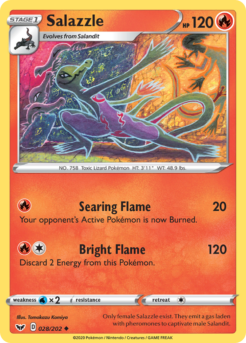
Sword & Shield
Only female Salazzle exist. They emit a gas laden with pheromones to captivate male Salandit.
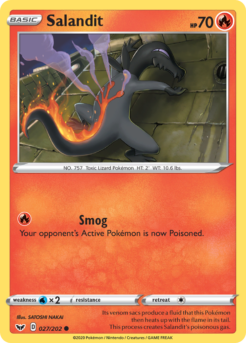
Sword & Shield
Its venom sacs produce a fluid that this Pokémon then heats up with the flame in its tail. This process creates Salandit's poisonous gas.