



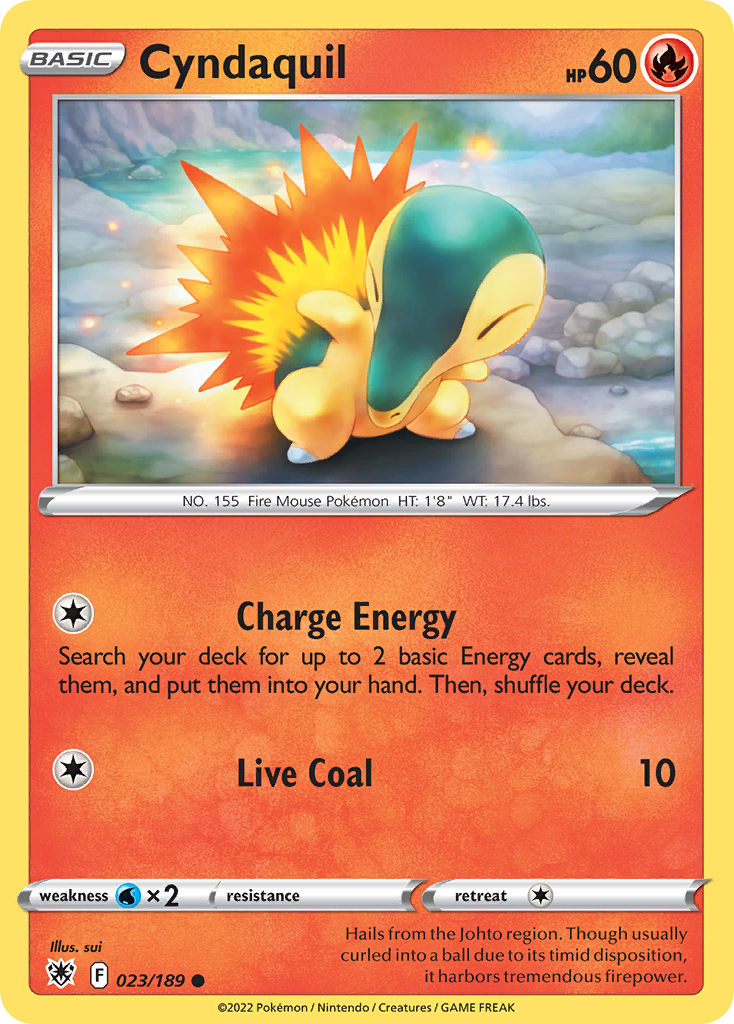
Cyndaquil
Hails from the Johto region. Though usually curled into a ball due to its timid disposition, it harbors tremendous firepower.
Search your deck for up to 2 basic Energy cards, reveal them, and put them into your hand. Then, shuffle your deck.
| Supertype | Pokémon |
|---|---|
| Subtype | Basic |
| HP | 60 |
| Types | Fire |
| Attack | Charge Energy |
| Attack cost | Colorless |
| Artist | sui |
| Rarity | Common |
| Pokédex | 155 |
| Evolves to | Quilava |
Vendor Information
- Store Name: DutchGem
- Vendor: DutchGem
-
Address:
gekkestraat
179
2345GT Utrecht

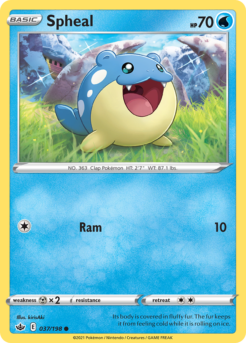
Chilling Reign
Its body is covered in fluffy fur. The fur keeps it from feeling cold while it is rolling on ice.

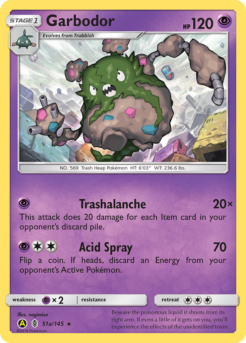
Guardians Rising
Beware the poisonous liquid it shoots from its right arm. If even a little of it gets on you, you'll experience the effects of the unidentified toxin.

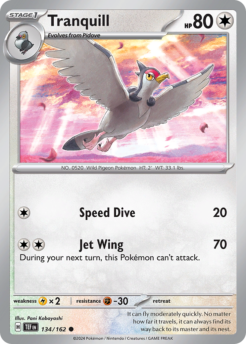
Scarlet & Violet
It can fly moderately quickly. No matter how far it travels, it can always find its way back to its master and its nest.
מוצרים קשורים
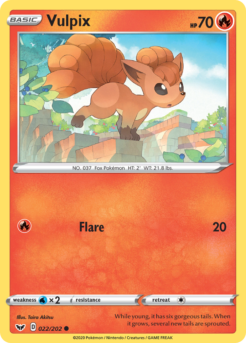
Sword & Shield
While young, it has six gorgeous tails. When it grows, several new tails are sprouted.
Sword & Shield
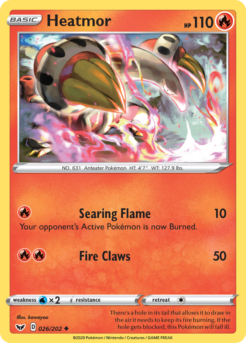
There's a hole in its tail that allows it to draw in the air it needs to keep its fire burning. If the hole gets blocked, this Pokémon will fall ill.
Sword & Shield
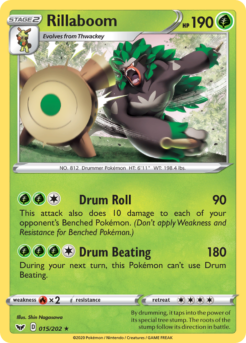
By drumming, it taps into the power of its special tree stump. The roots of the stump follow its direction in battle.
Sword & Shield
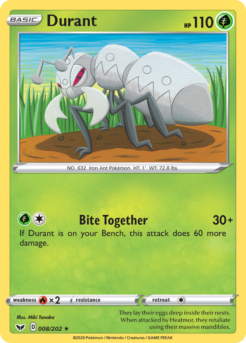
They lay their eggs deep inside their nests. When attacked by Heatmor, they retaliate using their massive mandibles.

Sword & Shield
Search your deck for up to 2 Pokémon, reveal them, and put them into your hand. Then, shuffle your deck.
Sword & Shield
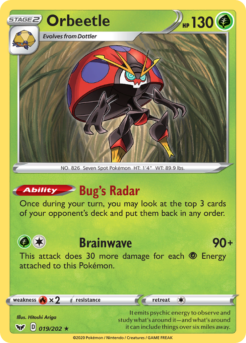
It emits psychic energy to observe and study what's around it—and what's around it can include things over six miles away.
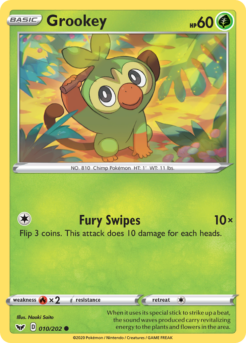
Sword & Shield
When it uses its special stick to strike up a beat, the sound waves produced carry revitalizing energy to the plants and flowers in the area.
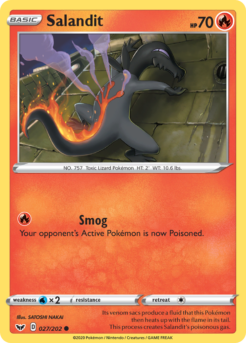
Sword & Shield
Its venom sacs produce a fluid that this Pokémon then heats up with the flame in its tail. This process creates Salandit's poisonous gas.