



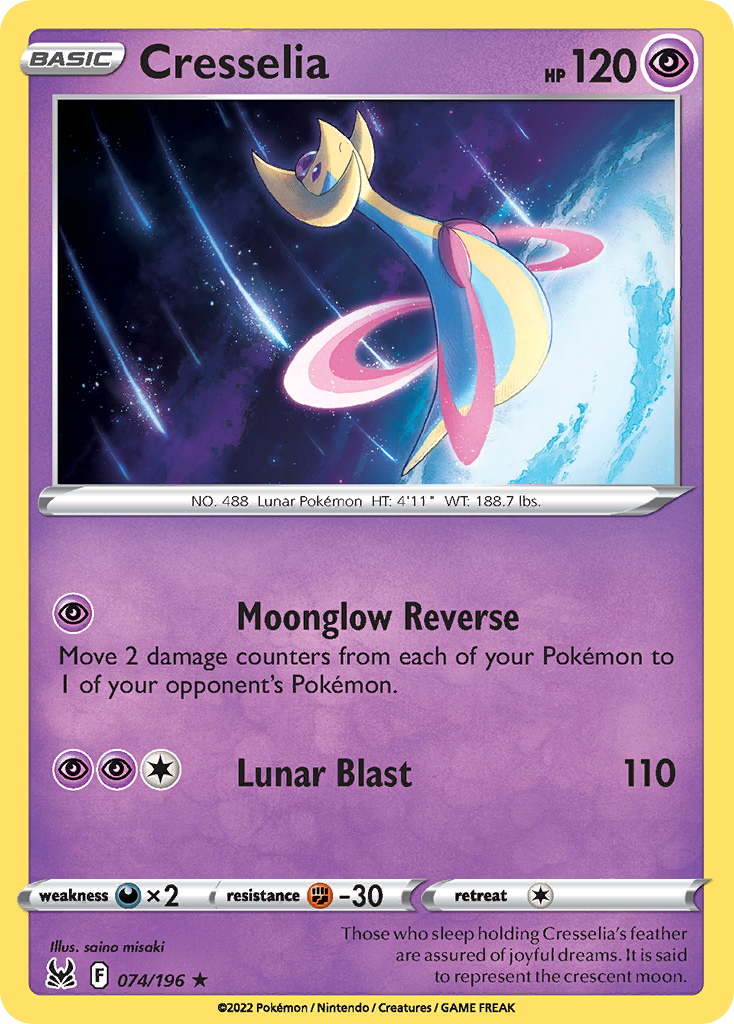
Cresselia
Those who sleep holding Cresselia's feather are assured of joyful dreams. It is said to represent the crescent moon.

Move 2 damage counters from each of your Pokémon to 1 of your opponent's Pokémon.
| Supertype | Pokémon |
|---|---|
| Subtype | Basic |
| HP | 120 |
| Types | Psychic |
| Attack | Moonglow Reverse |
| Attack cost | Psychic |
| Artist | saino misaki |
| Rarity | Rare Holo |
| Pokédex | 488 |
Vendor Information
- Store Name: DutchGem
- Vendor: DutchGem
-
Address:
gekkestraat
179
2345GT Utrecht
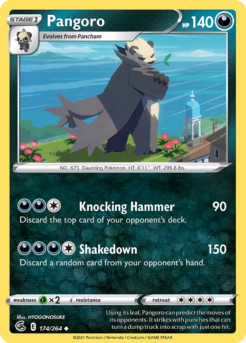
Fusion Strike
Using its leaf, Pangoro can predict the moves of its opponents. It strikes with punches that can turn a dump truck into scrap with just one hit.
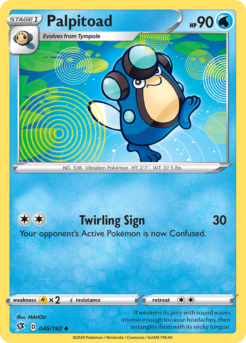
Rebel Clash
It weakens its prey with sound waves intense enough to cause headaches, then entangles them with its sticky tongue.

Base
Said to live in huge colonies deep in jungles, although no one has ever returned from there.
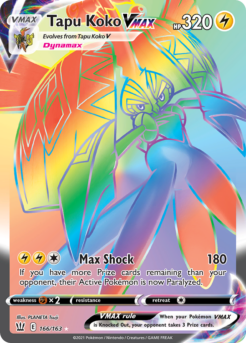
Battle Styles
If you have more Prize cards remaining than your opponent, their Active Pokémon is now Paralyzed.
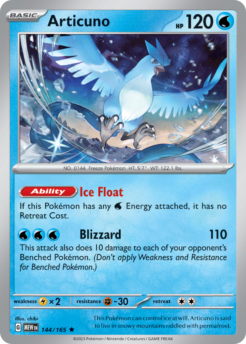
151
This Pokémon can control ice at will. Articuno is said to live in snowy mountains riddled with permafrost.