



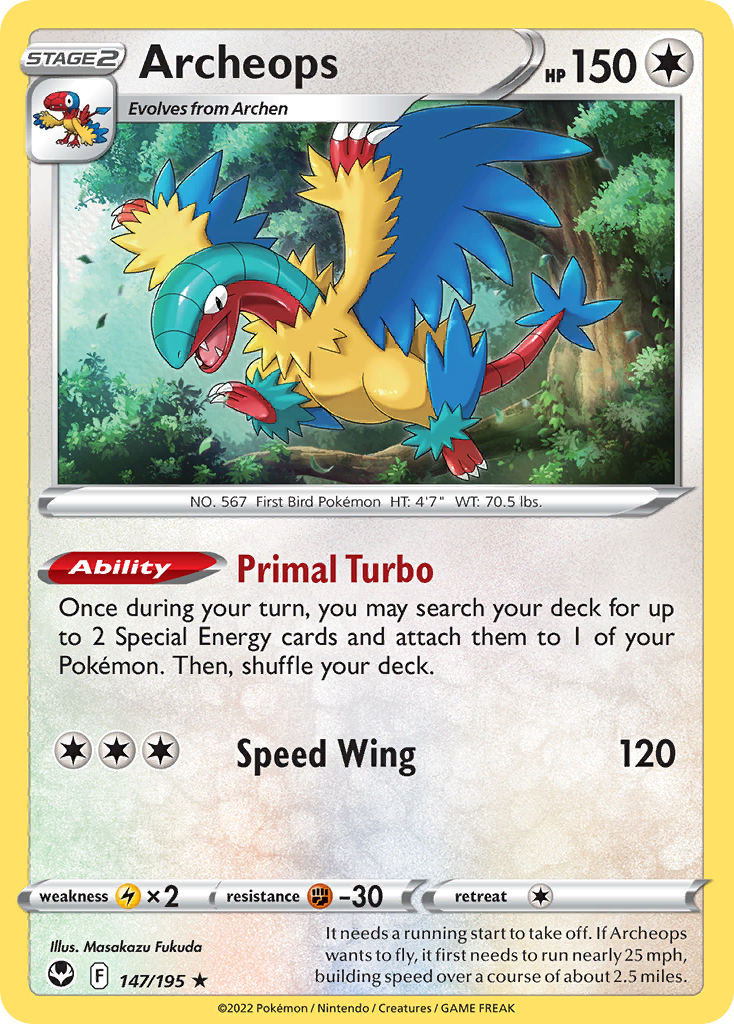
Archeops
It needs a running start to take off. If Archeops wants to fly, it first needs to run nearly 25 mph, building speed over a course of about 2.5 miles.
| Supertype | Pokémon |
|---|---|
| Subtype | Stage 2 |
| HP | 150 |
| Types | Colorless |
| Attack | Speed Wing |
| Attack cost | Colorless |
| Artist | Masakazu Fukuda |
| Rarity | Rare Holo |
| Pokédex | 567 |
| Evolves from | Archen |
Vendor Information
- Store Name: DutchGem
- Vendor: DutchGem
-
Address:
gekkestraat
179
2345GT Utrecht
Fusion Strike
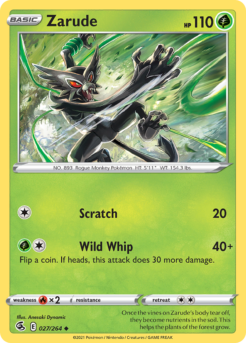
Once the vines on Zarude's body tear off, they become nutrients in the soil. This helps the plants of the forest grow.

Fusion Strike
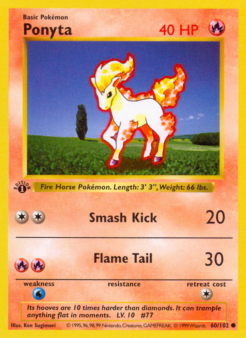
Search your deck for an Energy card and attach it to 1 of your Fusion Strike Pokémon. Then, shuffle your deck.
Sun & Moon
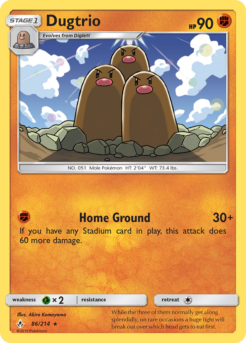
While the three of them normally get along splendidly, on rare occasions a huge fight will break out over which head gets to eat first.
Battle Styles
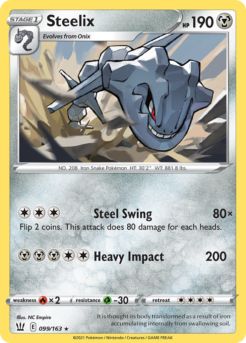
It is thought its body transformed as a result of iron accumulating internally from swallowing soil.
מוצרים קשורים
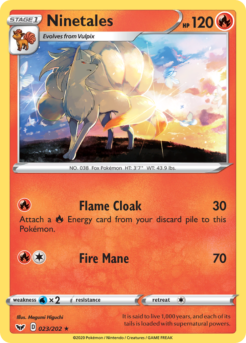
Sword & Shield
It is said to live 1,000 years, and each of its tails is loaded with supernatural powers.
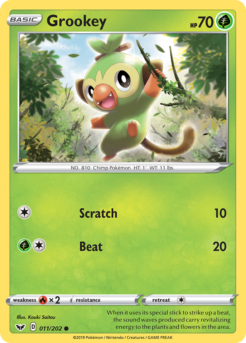
Sword & Shield
When it uses its special stick to strike up a beat, the sound waves produced carry revitalizing energy to the plants and flowers in the area.
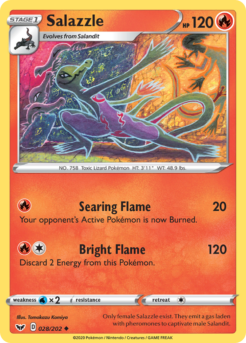
Sword & Shield
Only female Salazzle exist. They emit a gas laden with pheromones to captivate male Salandit.
Sword & Shield
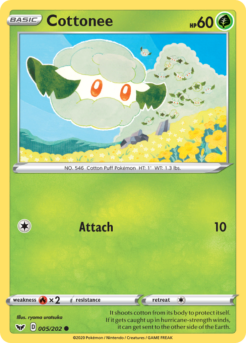
It shoots cotton from its body to protect itself. If it gets caught up in hurricane-strength winds, it can get sent to the other side of the Earth.
Sword & Shield
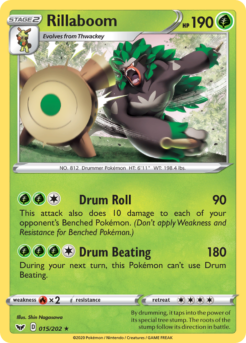
By drumming, it taps into the power of its special tree stump. The roots of the stump follow its direction in battle.
Sword & Shield
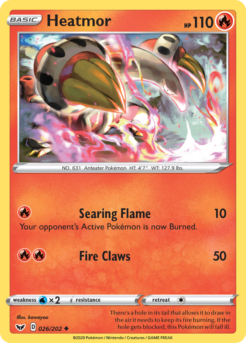
There's a hole in its tail that allows it to draw in the air it needs to keep its fire burning. If the hole gets blocked, this Pokémon will fall ill.
Sword & Shield
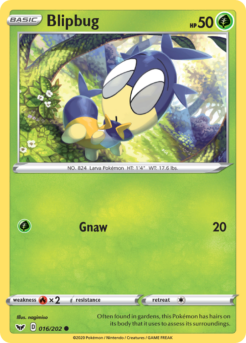
Often found in gardens, this Pokémon has hairs on its body that it uses to assess its surroundings.
Sword & Shield
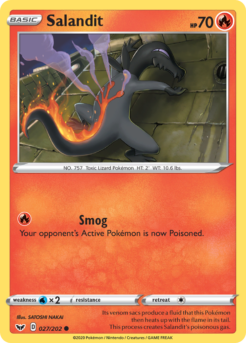
Its venom sacs produce a fluid that this Pokémon then heats up with the flame in its tail. This process creates Salandit's poisonous gas.