



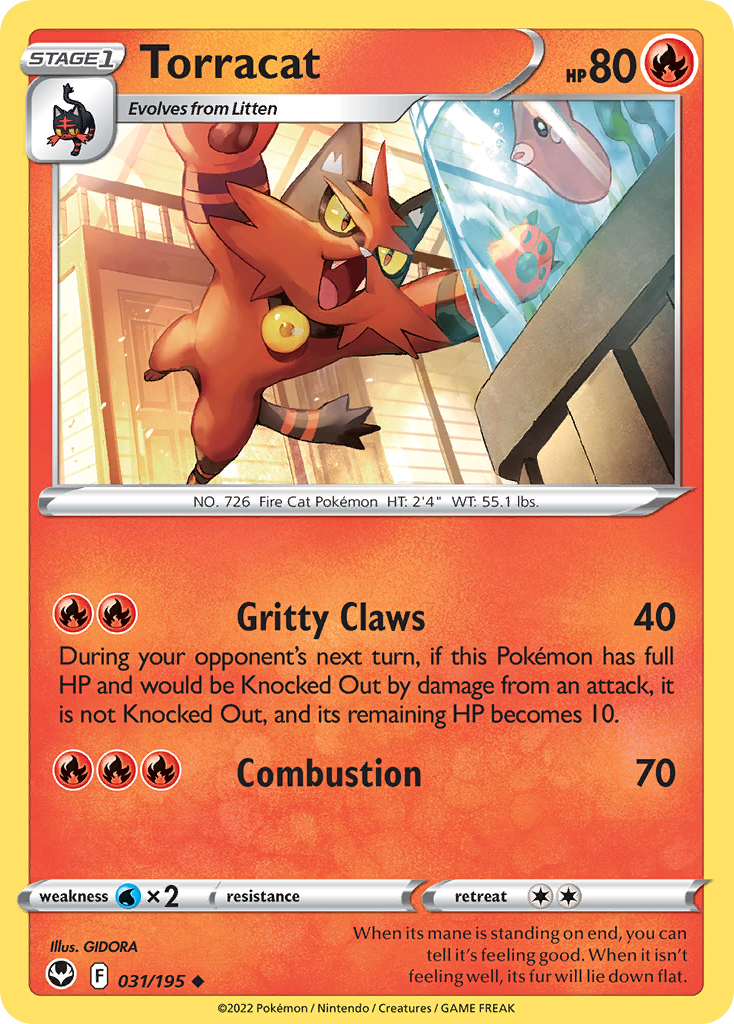
Torracat
When its mane is standing on end, you can tell it's feeling good. When it isn't feeling well, its fur will lie down flat.
During your opponent's next turn, if this Pokémon has full HP and would be Knocked Out by damage from an attack, it is not Knocked Out, and its remaining HP becomes 10.
| Supertype | Pokémon |
|---|---|
| Subtype | Stage 1 |
| HP | 80 |
| Types | Fire |
| Attack | Gritty Claws |
| Attack cost | Fire |
| Artist | GIDORA |
| Rarity | Uncommon |
| Pokédex | 726 |
| Evolves from | Litten |
| Evolves to | Incineroar |
Vendor Information
- Store Name: DutchGem
- Vendor: DutchGem
-
Address:
gekkestraat
179
2345GT Utrecht
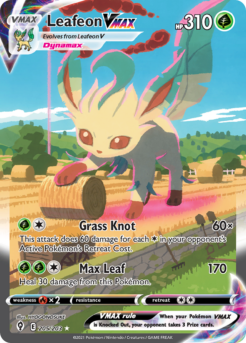
Evolving Skies
This attack does 60 damage for each Colorless in your opponent's Active Pokémon's Retreat Cost.
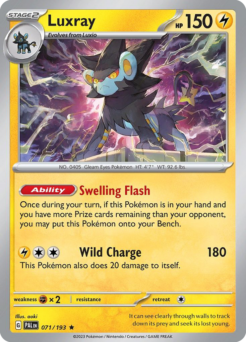
Paldea Evolved
It can see clearly through walls to track down its prey and seek its lost young.
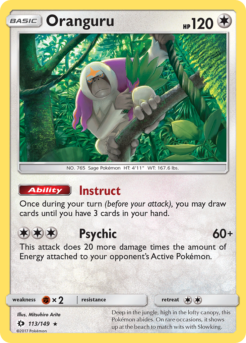
Sun & Moon
Deep in the jungle, high in the lofty canopy, this Pokémon abides. On rare occasions, it shows up at the beach to match wits with Slowking.
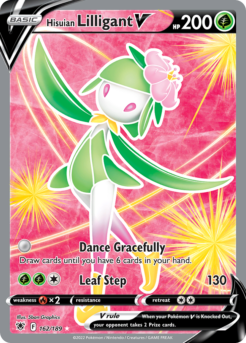
Sun & Moon
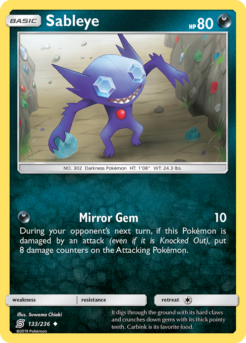
It digs through the ground with its hard claws and crunches down gems with its thick pointy teeth. Carbink is its favorite food.
Rebel Clash
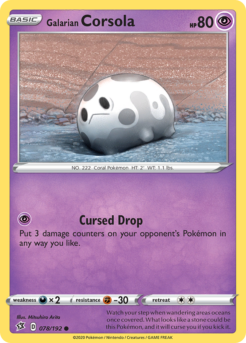
Watch your step when wandering areas oceans once covered. What looks like a stone could be this Pokémon, and it will curse you if you kick it.
מוצרים קשורים
Sword & Shield
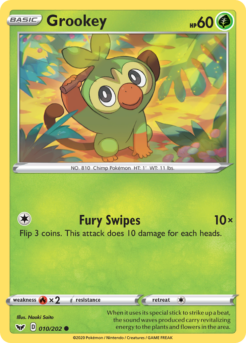
When it uses its special stick to strike up a beat, the sound waves produced carry revitalizing energy to the plants and flowers in the area.
Sword & Shield
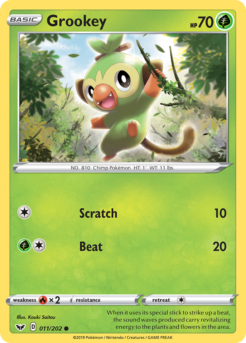
When it uses its special stick to strike up a beat, the sound waves produced carry revitalizing energy to the plants and flowers in the area.
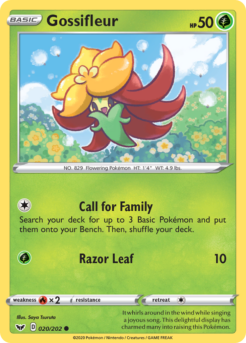
Sword & Shield
It whirls around in the wind while singing a joyous song. This delightful display has charmed many into raising this Pokémon.
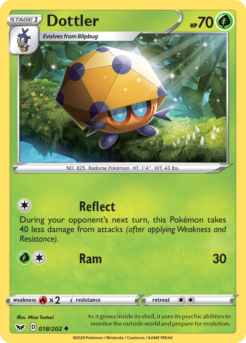
Sword & Shield
As it grows inside its shell, it uses its psychic abilities to monitor the outside world and prepare for evolution.
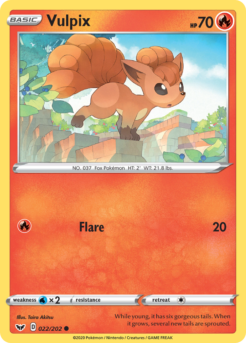
Sword & Shield
While young, it has six gorgeous tails. When it grows, several new tails are sprouted.
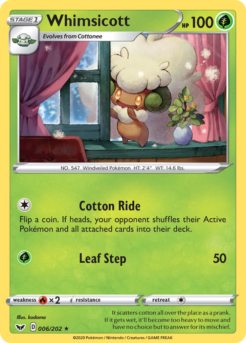
Sword & Shield
It scatters cotton all over the place as a prank. If it gets wet, it'll become too heavy to move and have no choice but to answer for its mischief.
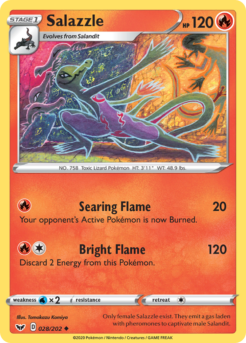
Sword & Shield
Only female Salazzle exist. They emit a gas laden with pheromones to captivate male Salandit.
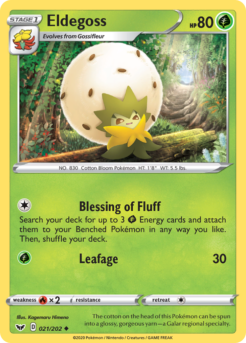
Sword & Shield
The cotton on the head of this Pokémon can be spun into a glossy, gorgeous yarn—a Galar regional specialty.