



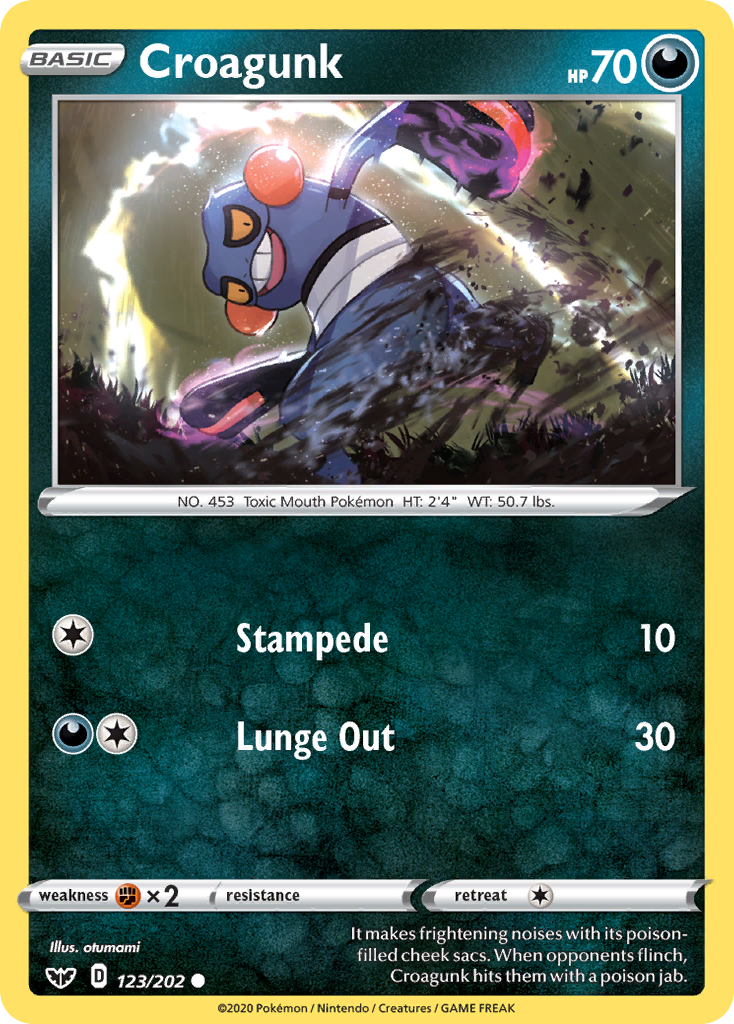
Croagunk

It makes frightening noises with its poison-filled cheek sacs. When opponents flinch, Croagunk hits them with a poison jab.
| Supertype | Pokémon |
|---|---|
| Subtype | Basic |
| HP | 70 |
| Types | Darkness |
| Attack | Stampede |
| Attack cost | Colorless |
| Artist | otumami |
| Rarity | Common |
| Pokédex | 453 |
| Evolves to | Toxicroak |
Vendor Information
- Store Name: DutchGem
- Vendor: DutchGem
-
Address:
gekkestraat
179
2345GT Utrecht
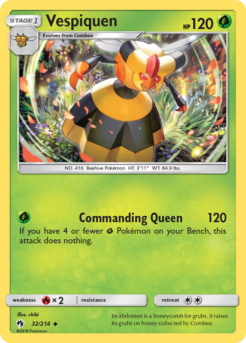
Lost Thunder
Its abdomen is a honeycomb for grubs. It raises its grubs on honey collected by Combee.
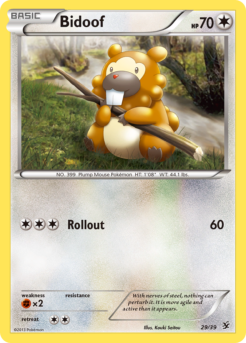
Kalos Starter Set
With nerves of steel, nothing can perturb it. It is more agile and active than it appears.
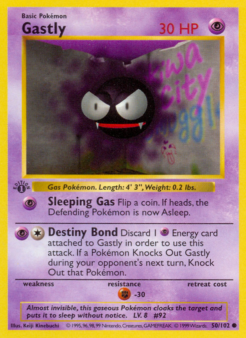
Base
Almost invisible, this gaseous Pokémon cloaks the target and puts it to sleep without notice.
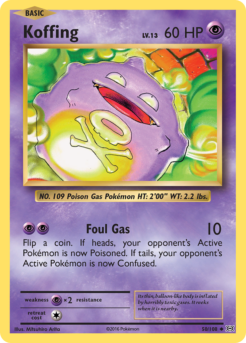
Evolutions
Its thin, balloon-like body is inflated by horribly toxic gases. It reeks when it is nearby.
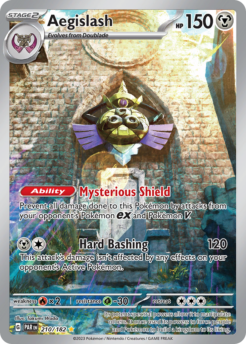
Paradox Rift
Its potent spectral powers allow it to manipulate others. It once used its powers to force people and Pokémon to build a kingdom to its liking.

Celestial Storm
Its body is as hot as lava and is always billowing. Flames will occasionally burst from its shell.
מוצרים קשורים
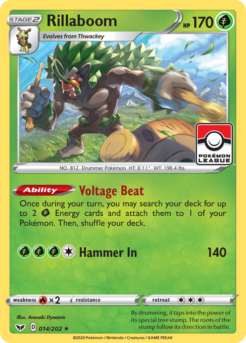
Sword & Shield
By drumming, it taps into the power of its special tree stump. The roots of the stump follow its direction in battle.
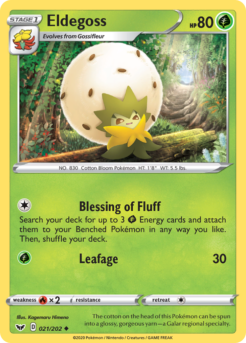
Sword & Shield
The cotton on the head of this Pokémon can be spun into a glossy, gorgeous yarn—a Galar regional specialty.
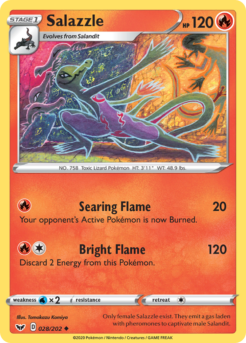
Sword & Shield
Only female Salazzle exist. They emit a gas laden with pheromones to captivate male Salandit.
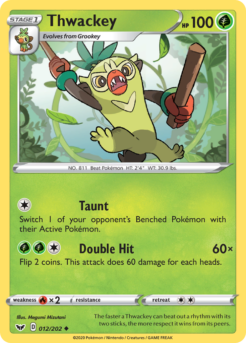
Sword & Shield
The faster a Thwackey can beat out a rhythm with its two sticks, the more respect it wins from its peers.

Sword & Shield
When it uses its special stick to strike up a beat, the sound waves produced carry revitalizing energy to the plants and flowers in the area.

Sword & Shield
A constant collector of information, this Pokémon is very smart. Very strong is what it isn't.
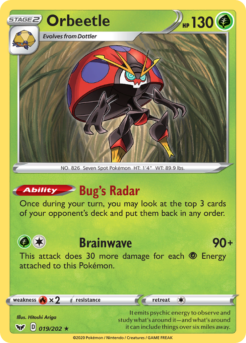
Sword & Shield
It emits psychic energy to observe and study what's around it—and what's around it can include things over six miles away.
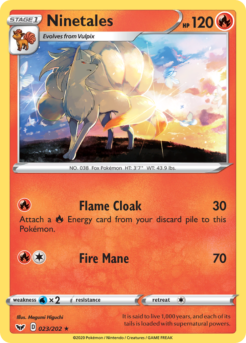
Sword & Shield
It is said to live 1,000 years, and each of its tails is loaded with supernatural powers.