



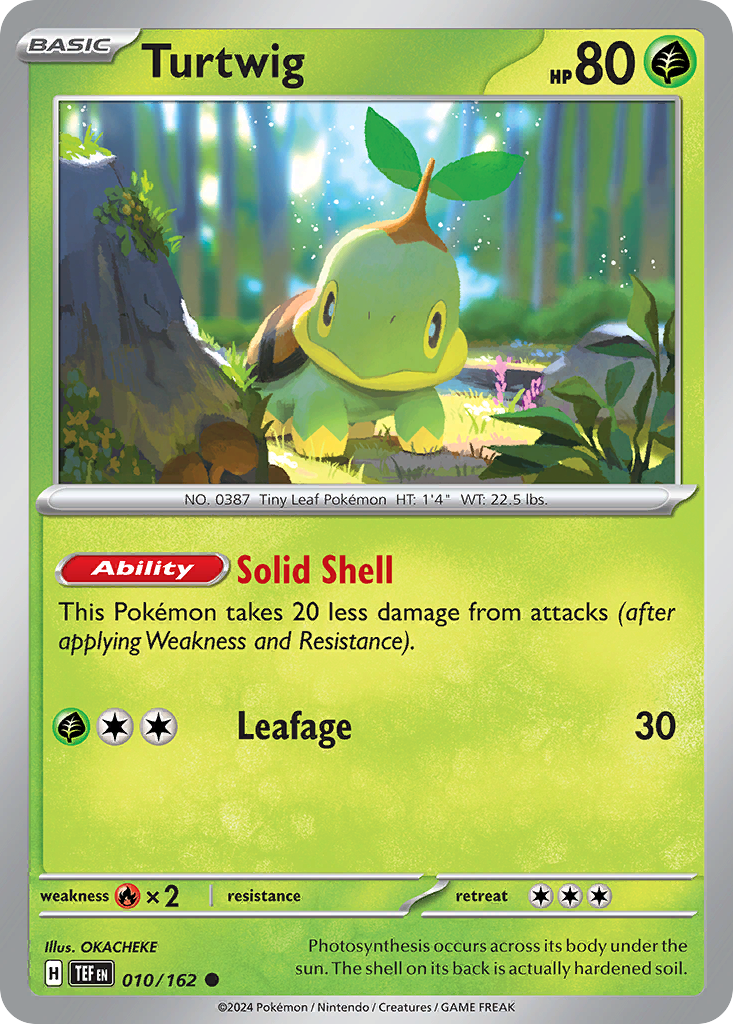
Turtwig

Photosynthesis occurs across its body under the sun. The shell on its back is actually hardened soil.
| Supertype | Pokémon |
|---|---|
| Subtype | Basic |
| HP | 80 |
| Types | Grass |
| Attack | Leafage |
| Attack cost | Grass |
| Artist | OKACHEKE |
| Rarity | Common |
| Pokédex | 387 |
| Evolves to | Grotle |
Vendor Information
- Store Name: DutchGem
- Vendor: DutchGem
-
Address:
gekkestraat
179
2345GT Utrecht

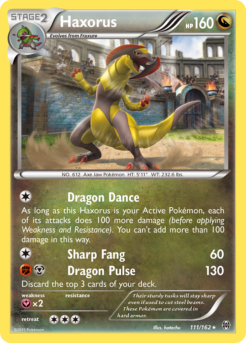
BREAKthrough
Their sturdy tusks will stay sharp even if used to cut steel beams. These Pokémon are covered in hard armor.

Sun & Moon
A skillful dancer, it creates a sequence of water balloons as it dances, and briskly bombards it enemies.
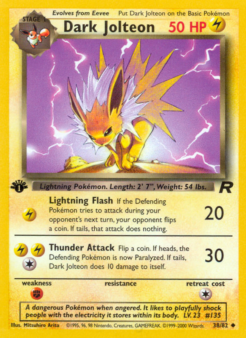
Base
A dangerous Pokémon when angered. It likes to playfully shock people with the electricity it stores within its body.
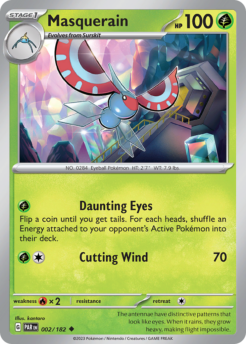
Paradox Rift
The antennae have distinctive patterns that look like eyes. When it rains, they grow heavy, making flight impossible.
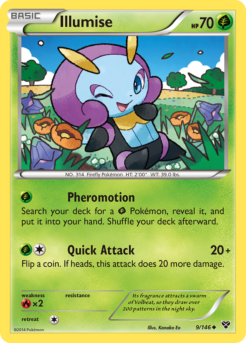
XY
Its fragrance attracts a swarm of Volbeat, so they draw over 200 patterns in the night sky.
מוצרים קשורים
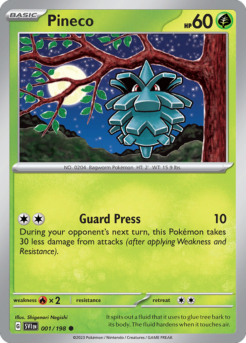
Scarlet & Violet
It spits out a fluid that it uses to glue tree bark to its body. The fluid hardens when it touches air.
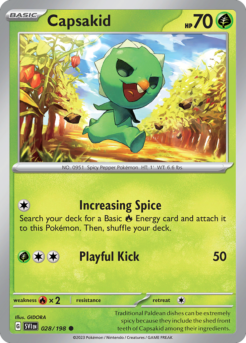
Scarlet & Violet
Traditional Paldean dishes can be extremely spicy because they include the shed front teeth of Capsakid among their ingredients.
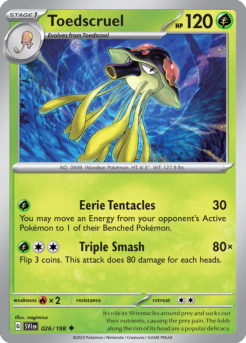
Scarlet & Violet
It coils its 10 tentacles around prey and sucks out their nutrients, causing the prey pain. The folds along the rim of its head are a popular delicacy.
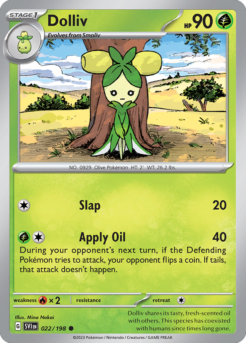
Scarlet & Violet
Dolliv shares its tasty, fresh-scented oil with others. This species has coexisted with humans since times long gone.
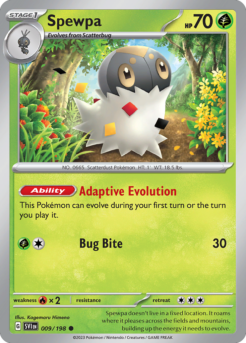
Scarlet & Violet
Spewpa doesn't live in a fixed location. It roams where it pleases across the fields and mountains, building up the energy it needs to evolve.

Scarlet & Violet
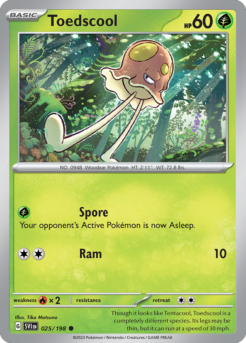
Though it looks like Tentacool, Toedscool is a completely different species. Its legs may be thin, but it can run at a speed of 30 mph.
Scarlet & Violet
Though it looks like Tentacool, Toedscool is a completely different species. Its legs may be thin, but it can run at a speed of 30 mph.
Scarlet & Violet
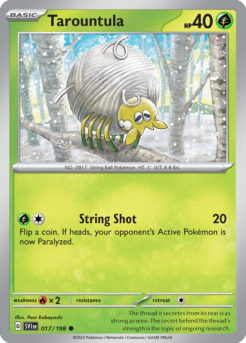
The thread it secretes from its rear is as strong as wire. The secret behind the thread's strength is the topic of ongoing research.