



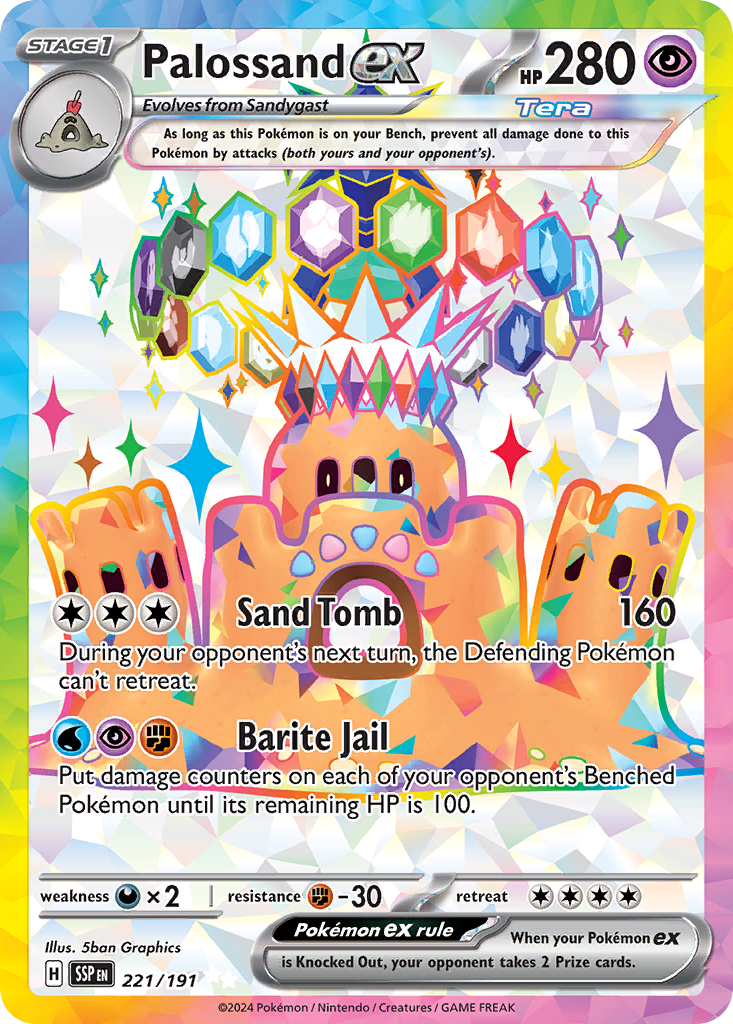
During your opponent’s next turn, the Defending Pokémon can’t retreat.
| Supertype | Pokémon |
|---|---|
| Subtype | Stage 1 |
| HP | 280 |
| Types | Psychic |
| Attack | Sand Tomb |
| Attack cost | Colorless |
| Rarity | Ultra Rare |
| Pokédex | 770 |
| Evolves from | Sandygast |
Vendor Information
- Store Name: DutchGem
- Vendor: DutchGem
-
Address:
gekkestraat
179
2345GT Utrecht


Paldea Evolved
It has a very fine fur. Take care not to make it angry, or it may inflate steadily and hit with a body slam.
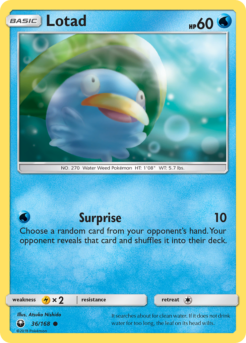
Celestial Storm
It searches about for clean water. If it does not drink water for too long, the leaf on its head wilts.
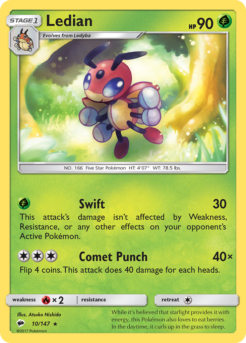
Burning Shadows
While it's believed that starlight provides it with energy, this Pokémon also loves to eat berries. In the daytime, it curls up in the grass to sleep.
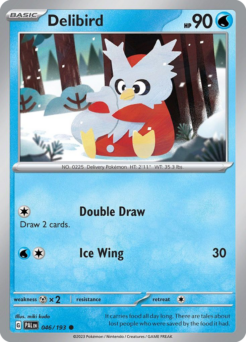
Paldea Evolved
It carries food all day long. There are tales about lost people who were saved by the food it had.
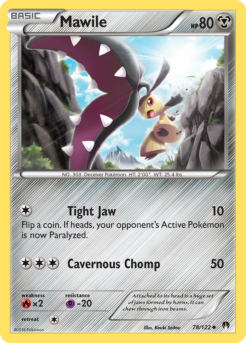
BREAKpoint
Attached to its head is a huge set of jaws formed by horns. It can chew through iron beams.
Tutustu myös
Scarlet & Violet
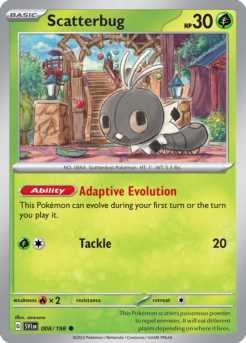
This Pokémon scatters poisonous powder to repel enemies. It will eat different plants depending on where it lives.
Scarlet & Violet
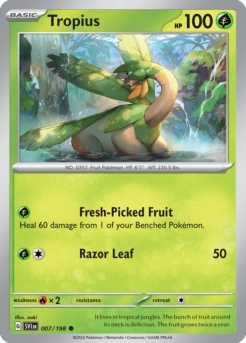
It lives in tropical jungles. The bunch of fruit around its neck is delicious. The fruit grows twice a year.
Scarlet & Violet
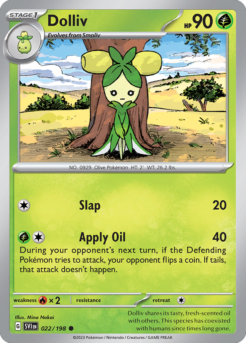
Dolliv shares its tasty, fresh-scented oil with others. This species has coexisted with humans since times long gone.
Scarlet & Violet
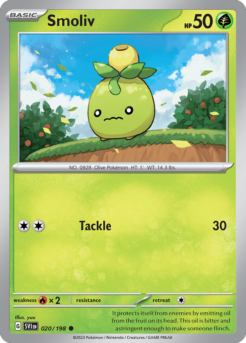
It protects itself from enemies by emitting oil from the fruit on its head. This oil is bitter and astringent enough to make someone flinch.
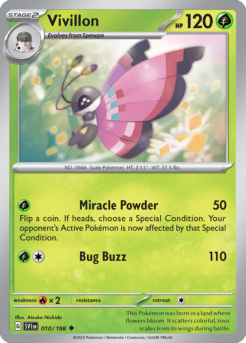
Scarlet & Violet
This Pokémon was born in a land where flowers bloom. It scatters colorful, toxic scales from its wings during battle.

Scarlet & Violet
Traditional Paldean dishes can be extremely spicy because they include the shed front teeth of Capsakid among their ingredients.
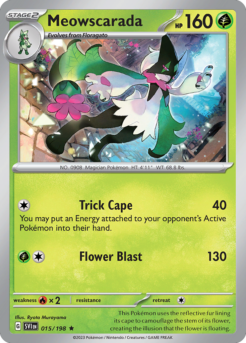
Scarlet & Violet
This Pokémon uses the reflective fur lining its cape to camouflage the stem of its flower, creating the illusion that the flower is floating.
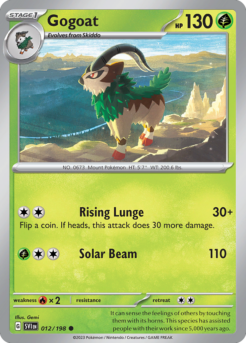
Scarlet & Violet
It can sense the feelings of others by touching them with its horns. This species has assisted people with their work since 5,000 years ago.