


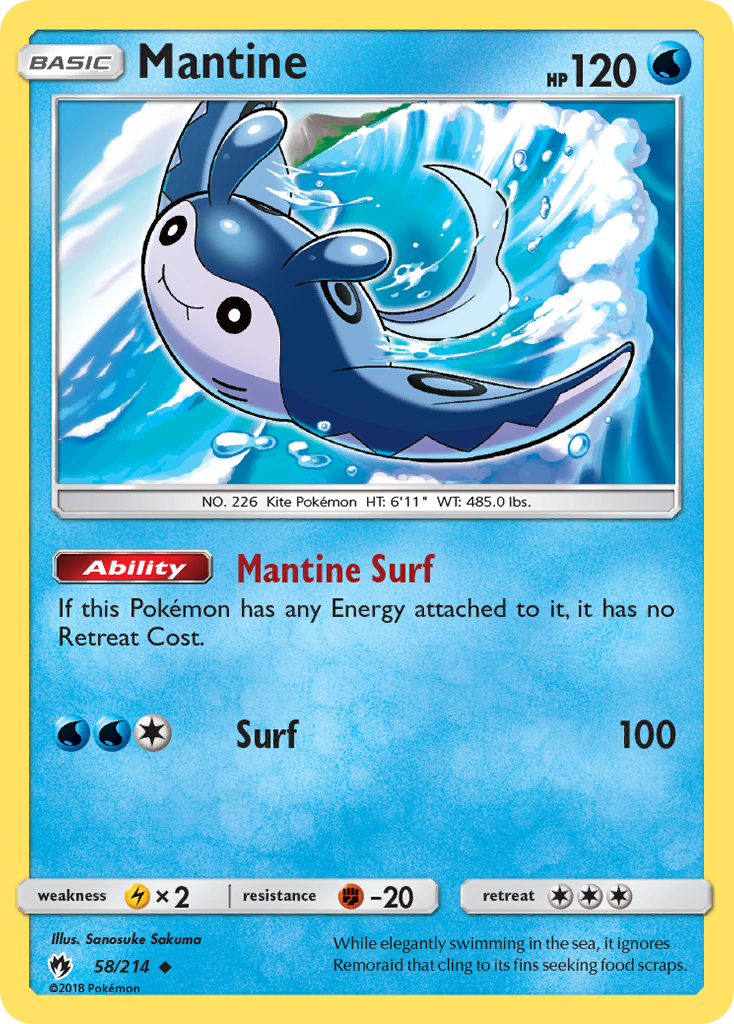
Mantine
While elegantly swimming in the sea, it ignores Remoraid that cling to its fins seeking food scraps.

| Supertype | Pokémon |
|---|---|
| Subtype | Basic |
| HP | 120 |
| Types | Water |
| Attack | Surf |
| Attack cost | Water |
| Artist | Sanosuke Sakuma |
| Rarity | Uncommon |
| Pokédex | 226 |
Vendor Information
- Store Name: DutchGem
- Vendor: DutchGem
-
Address:
gekkestraat
179
2345GT Utrecht
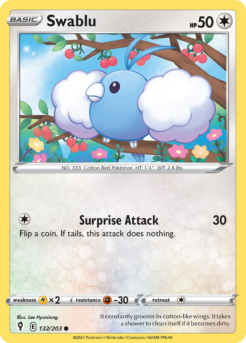
Evolving Skies
It constantly grooms its cotton-like wings. It takes a shower to clean itself if it becomes dirty.
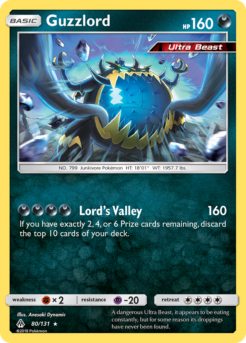
Forbidden Light
A dangerous Ultra Beast, it appears to be eating constantly, but for some reason its droppings have never been found.
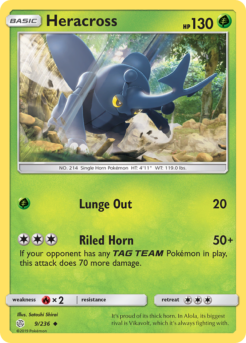
Cosmic Eclipse
It's proud of its thick horn. In Alola, its biggest rival is Vikavolt, which it's always fighting with.
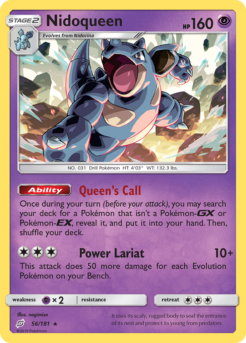
Sun & Moon
It uses its scaly, rugged body to seal the entrance of its nest and protect its young from predators.
Sword & Shield
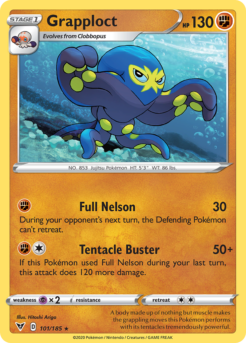
A body made up of nothing but muscle makes the grappling moves this Pokémon performs with its tentacles tremendously powerful.
Obsidian Flames
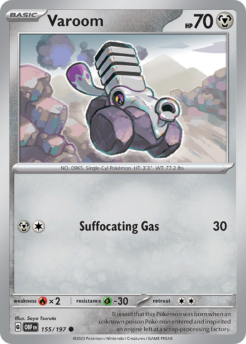
It is said that this Pokémon was born when an unknown poison Pokémon entered and inspirited an engine left at a scrap-processing factory.
Tutustu myös
Sun & Moon
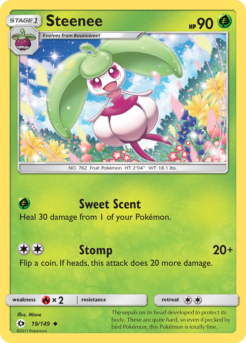
The sepals on its head developed to protect its body. These are quite hard, so even if pecked by bird Pokémon, this Pokémon is totally fine.
Sun & Moon
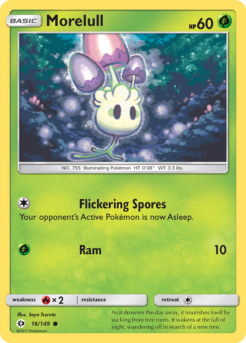
As it drowses the day away, it nourishes itself by sucking from tree roots. It wakens at the fall of night, wandering off in search of a new tree.
Sun & Moon
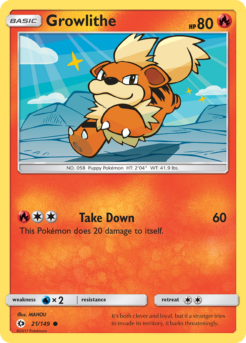
It's both clever and loyal, but if a stranger tries to invade its territory, it barks threateningly.
Sun & Moon
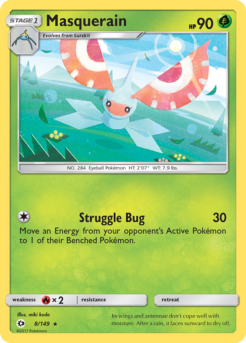
Its wings and antennae don't cope well with moisture. After a rain, it faces sunward to dry off.
Sun & Moon
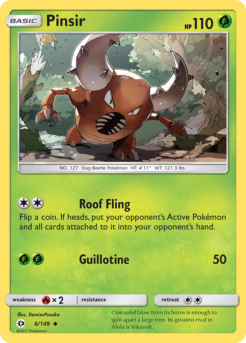
One solid blow from its horns is enough to split apart a large tree. Its greatest rival in Alola is Vikavolt.
Sun & Moon
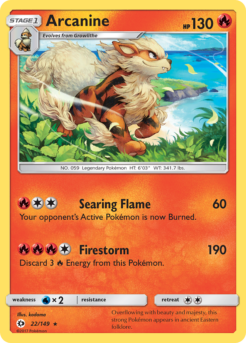
Overflowing with beauty and majesty, this strong Pokémon appears in ancient Eastern folklore.
Sun & Moon
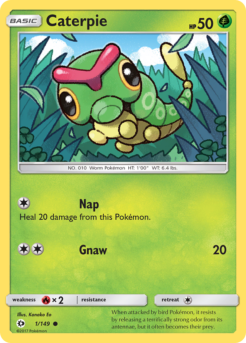
When attacked by bird Pokémon, it resists by releasing a terrifically strong odor from its antennae, but it often becomes their prey.