



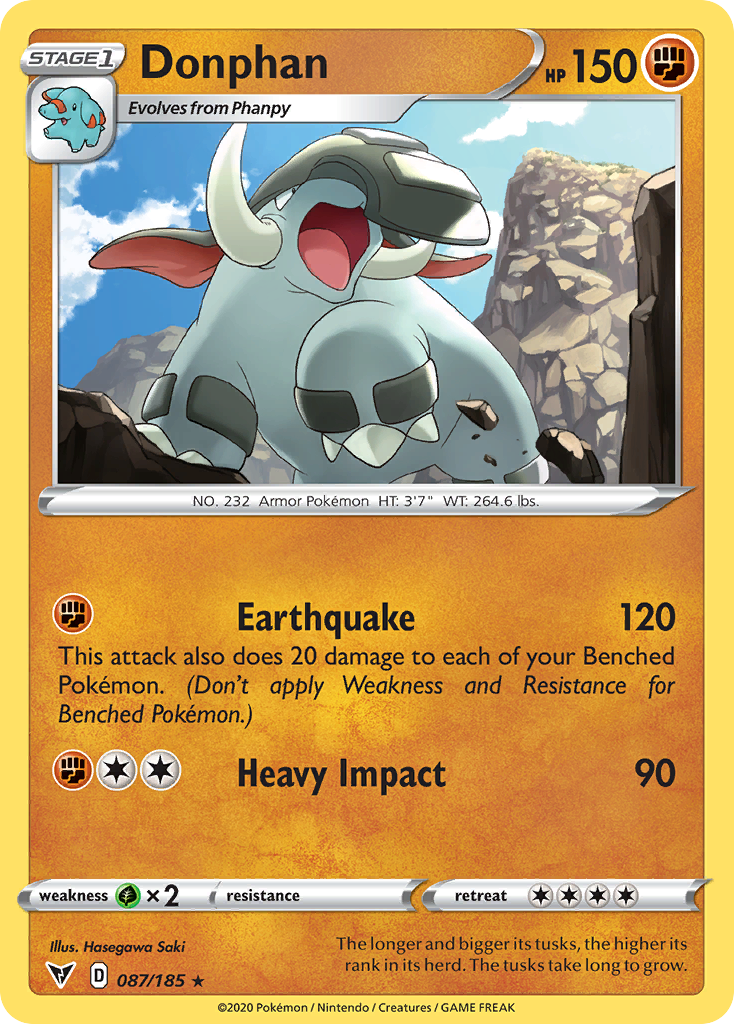
Donphan


The longer and bigger its tusks, the higher its rank in its herd. The tusks take long to grow.

This attack also does 20 damage to each of your Benched Pokémon. (Don’t apply Weakness and Resistance for Benched Pokémon.)
| Supertype | Pokémon |
|---|---|
| Subtype | Stage 1 |
| HP | 150 |
| Types | Fighting |
| Attack | Earthquake |
| Attack cost | Fighting |
| Artist | Hasegawa Saki |
| Rarity | Rare |
| Pokédex | 232 |
| Evolves from | Phanpy |
Vendor Information
- Store Name: DutchGem
- Vendor: DutchGem
-
Address:
gekkestraat
179
2345GT Utrecht

Base
It emits special alpha waves from its body that induce headaches even to those just nearby.

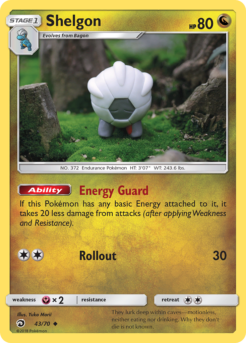
Dragon Majesty
They lurk deep within caves—motionless, neither eating nor drinking. Why they don't die is not known.
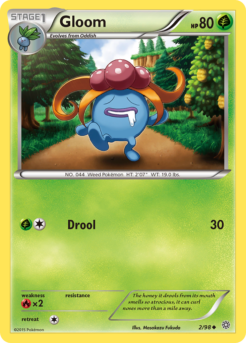
Ancient Origins
The honey it drools from its mouth smells so atrocious, it can curl noses more than a mile away.
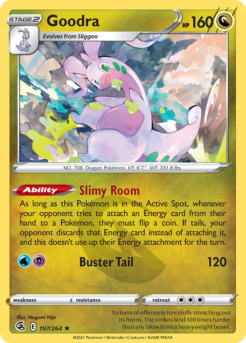
Fusion Strike
Its form of offense is forcefully stretching out its horns. The strikes land 100 times harder than any blow from a heavyweight boxer.
Tutustu myös

Sword & Shield
Search your deck for up to 2 Pokémon, reveal them, and put them into your hand. Then, shuffle your deck.
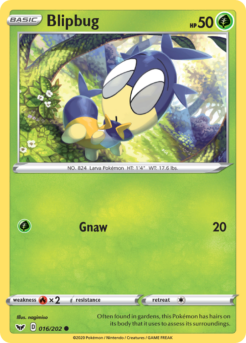
Sword & Shield
Often found in gardens, this Pokémon has hairs on its body that it uses to assess its surroundings.
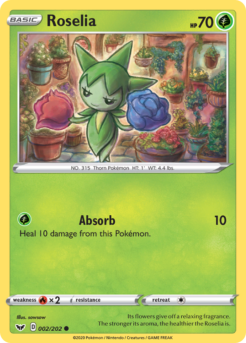
Sword & Shield
Its flowers give off a relaxing fragrance. The stronger its aroma, the healthier the Roselia is.
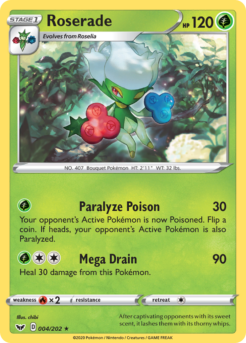
Sword & Shield
After captivating opponents with its sweet scent, it lashes them with its thorny whips.
Sword & Shield
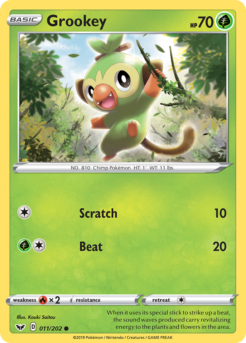
When it uses its special stick to strike up a beat, the sound waves produced carry revitalizing energy to the plants and flowers in the area.
Sword & Shield
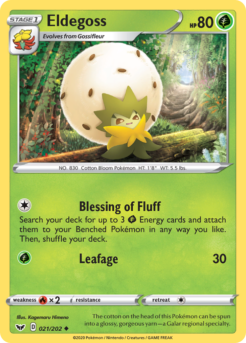
The cotton on the head of this Pokémon can be spun into a glossy, gorgeous yarn—a Galar regional specialty.
Sword & Shield
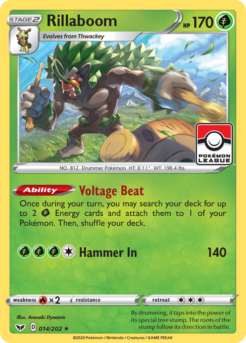
By drumming, it taps into the power of its special tree stump. The roots of the stump follow its direction in battle.

Sword & Shield
When it uses its special stick to strike up a beat, the sound waves produced carry revitalizing energy to the plants and flowers in the area.