



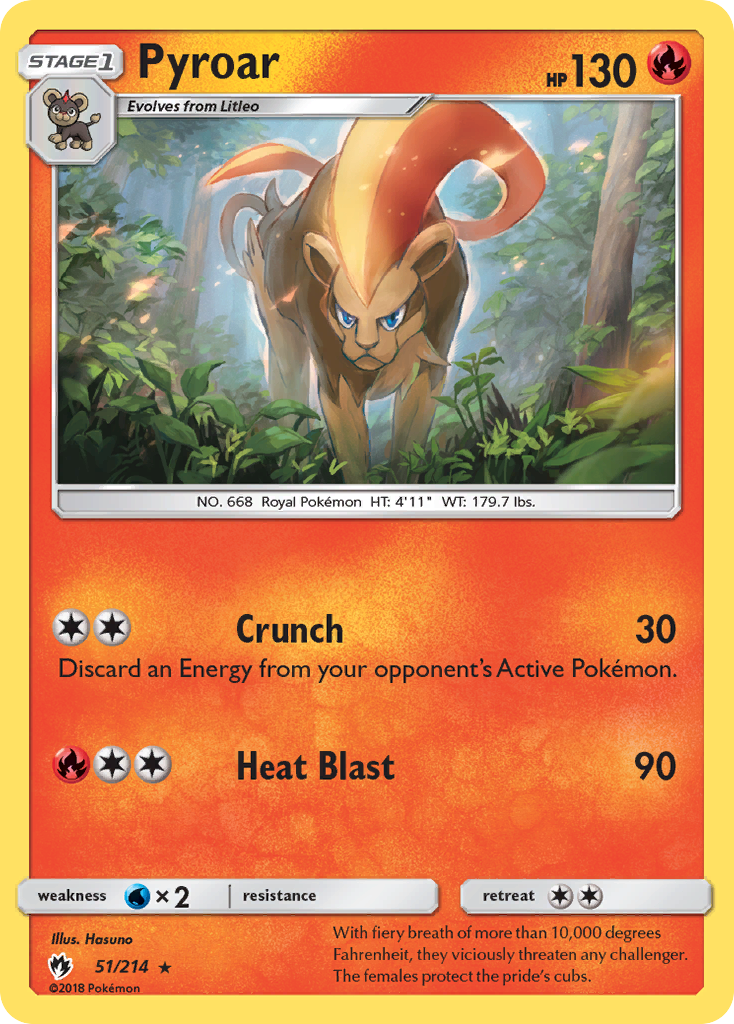
Pyroar
With fiery breath of more than 10,000 degrees Fahrenheit, they viciously threaten any challenger. The females protect the pride’s cubs.
Discard an Energy from your opponent’s Active Pokémon.
| Supertype | Pokémon |
|---|---|
| Subtype | Stage 1 |
| HP | 130 |
| Types | Fire |
| Attack | Crunch |
| Attack cost | Colorless |
| Artist | Hasuno |
| Rarity | Rare |
| Pokédex | 668 |
| Evolves from | Litleo |
Vendor Information
- Store Name: DutchGem
- Vendor: DutchGem
-
Address:
gekkestraat
179
2345GT Utrecht
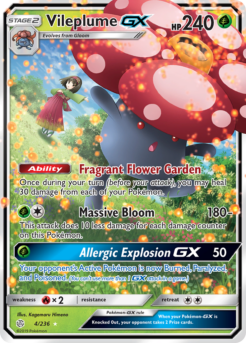
Cosmic Eclipse
This attack does 10 less damage for each damage counter on this Pokémon.
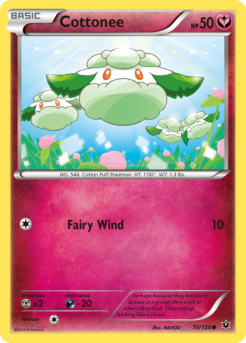
Fates Collide
Perhaps because they feel more at ease in a group, they stick to others they find. They end up looking like a cloud.
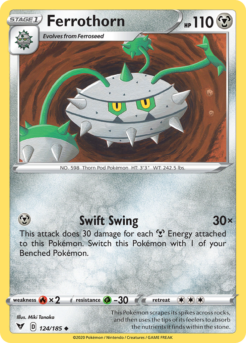
Sword & Shield
This Pokémon scrapes its spikes across rocks, and then uses the tips of its feelers to absorb the nutrients it finds within the stone.
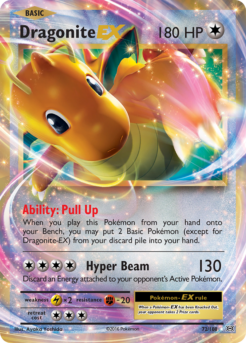
Primal Clash
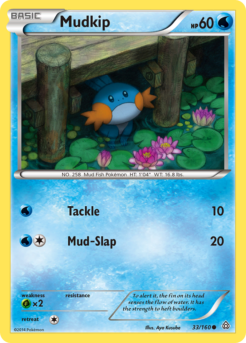
To alert it, the fin on its head senses the flow of water. It has the strength to heft boulders.
Tutustu myös
Sun & Moon
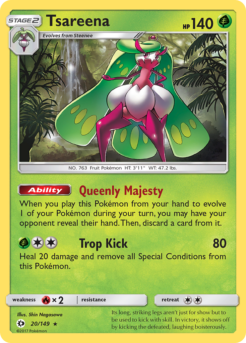
Its long, striking legs aren't just for show but to be used to kick with skill. In victory, it shows off by kicking the defeated, laughing boisterously.
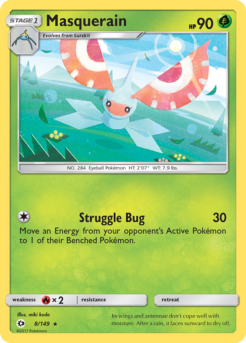
Sun & Moon
Its wings and antennae don't cope well with moisture. After a rain, it faces sunward to dry off.
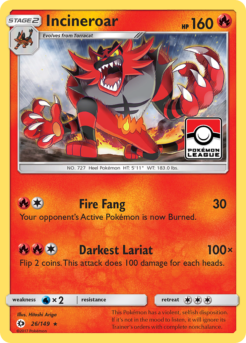
Sun & Moon
This Pokémon has a violent, selfish disposition. If it's not in the mood to listen, it will ignore its Trainer's orders with complete nonchalance.
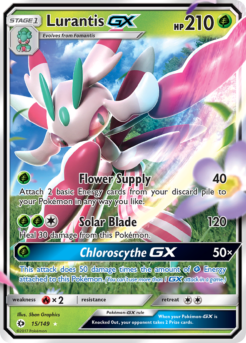
Sun & Moon
Attach 2 basic Energy cards from your discard pile to your Pokémon in any way you like.
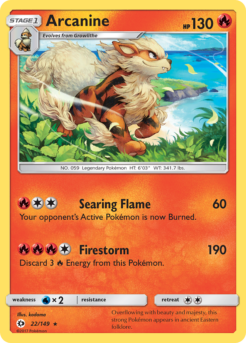
Sun & Moon
Overflowing with beauty and majesty, this strong Pokémon appears in ancient Eastern folklore.
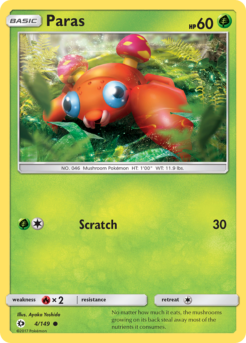
Sun & Moon
No matter how much it eats, the mushrooms growing on its back steal away most of the nutrients it consumes.
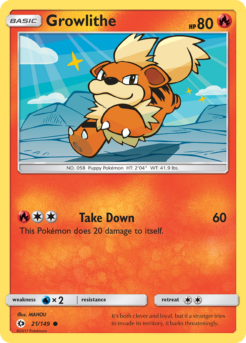
Sun & Moon
It's both clever and loyal, but if a stranger tries to invade its territory, it barks threateningly.