



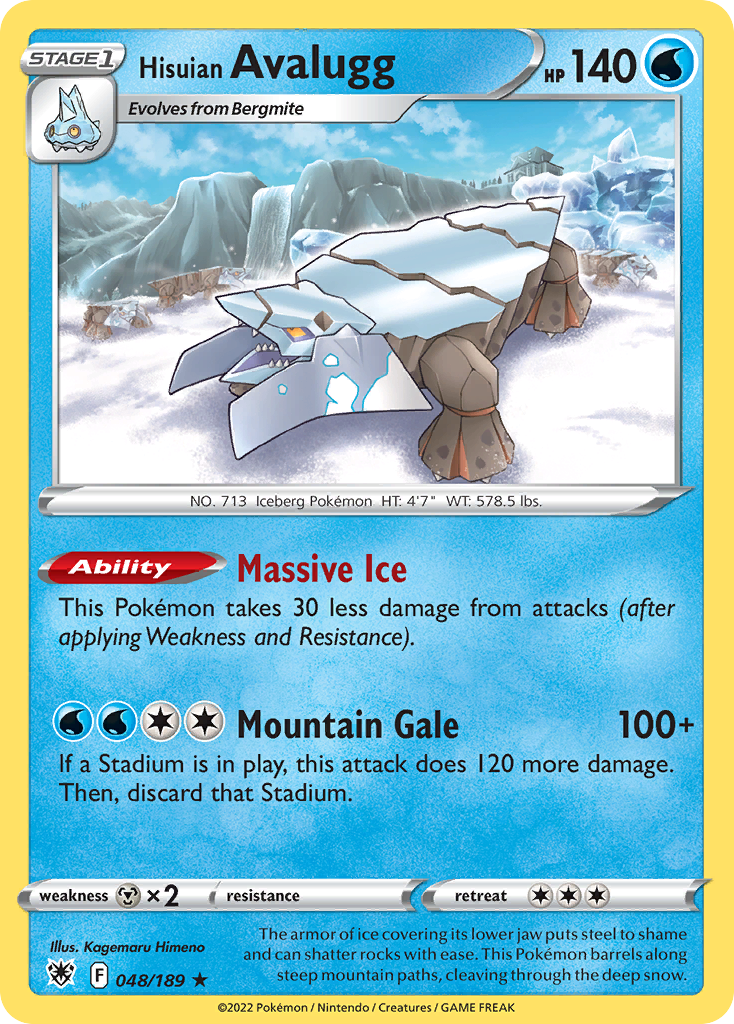
Hisuian Avalugg

The armor of ice covering its lower jaw puts steel to shame and can shatter rocks with ease. This Pokémon barrels along steep mountain paths, cleaving through the deep snow.

If a Stadium is in play, this attack does 120 more damage. Then, discard that Stadium.
| Supertype | Pokémon |
|---|---|
| Subtype | Stage 1 |
| HP | 140 |
| Types | Water |
| Attack | Mountain Gale |
| Attack cost | Water |
| Artist | Kagemaru Himeno |
| Rarity | Rare |
| Pokédex | 713 |
| Evolves from | Bergmite |
Vendor Information
- Store Name: DutchGem
- Vendor: DutchGem
-
Address:
gekkestraat
179
2345GT Utrecht
Sword & Shield
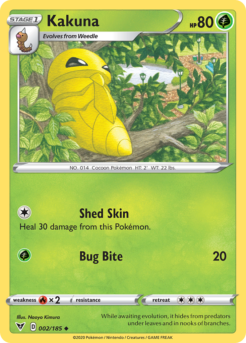
While awaiting evolution, it hides from predators under leaves and in nooks of branches.

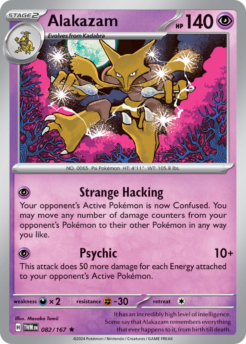
Scarlet & Violet
It has an incredibly high level of intelligence. Some say that Alakazam remembers everything that ever happens to it, from birth till death.
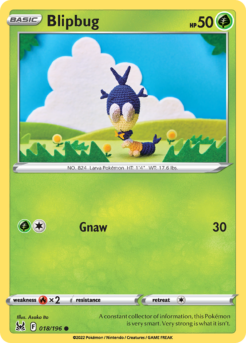
Lost Origin
A constant collector of information, this Pokémon is very smart. Very strong is what it isn't.
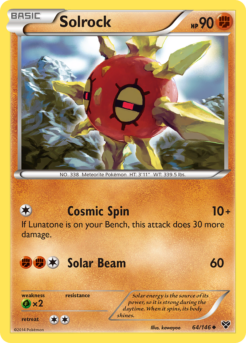
XY
Solar energy is the source of its power, so it is strong during the daytime. When it spins, its body shines.
Tutustu myös
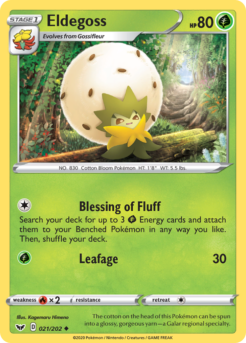
Sword & Shield
The cotton on the head of this Pokémon can be spun into a glossy, gorgeous yarn—a Galar regional specialty.
Sword & Shield
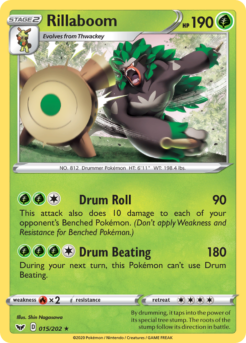
By drumming, it taps into the power of its special tree stump. The roots of the stump follow its direction in battle.
Sword & Shield
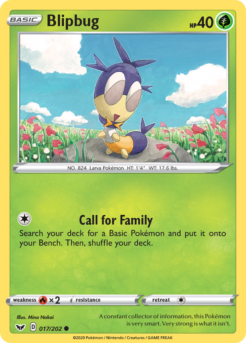
A constant collector of information, this Pokémon is very smart. Very strong is what it isn't.
Sword & Shield
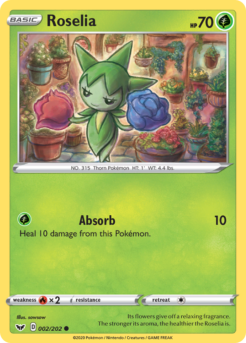
Its flowers give off a relaxing fragrance. The stronger its aroma, the healthier the Roselia is.
Sword & Shield
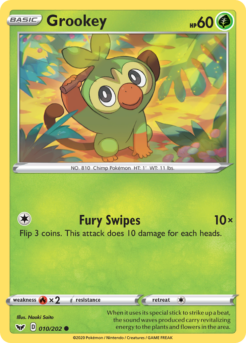
When it uses its special stick to strike up a beat, the sound waves produced carry revitalizing energy to the plants and flowers in the area.
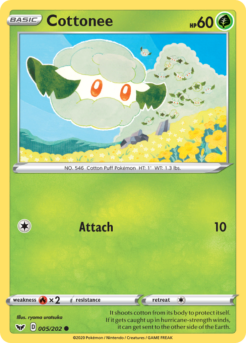
Sword & Shield
It shoots cotton from its body to protect itself. If it gets caught up in hurricane-strength winds, it can get sent to the other side of the Earth.
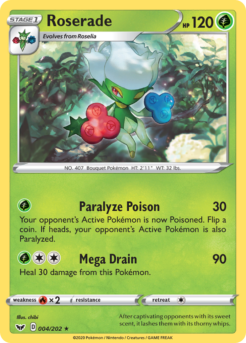
Sword & Shield
After captivating opponents with its sweet scent, it lashes them with its thorny whips.
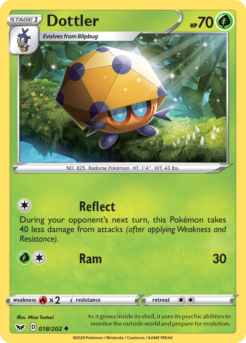
Sword & Shield
As it grows inside its shell, it uses its psychic abilities to monitor the outside world and prepare for evolution.