



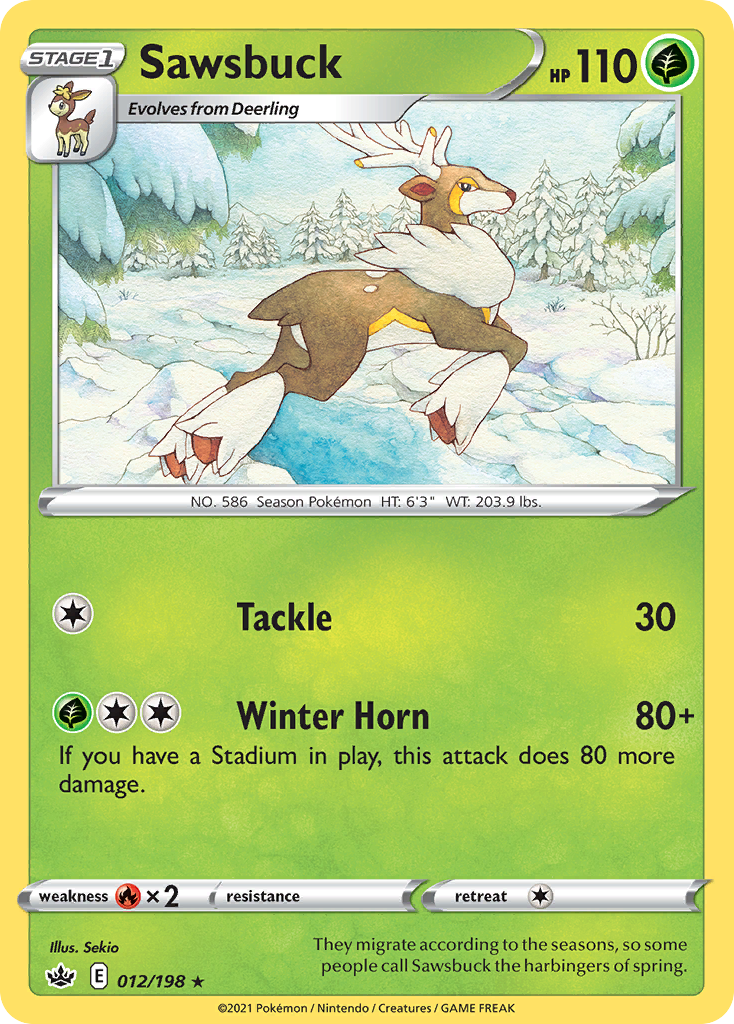
Sawsbuck
They migrate according to the seasons. People can tell the season by looking at Sawsbuck’s horns.
| Supertype | Pokémon |
|---|---|
| Subtype | Stage 1 |
| HP | 110 |
| Types | Grass |
| Attack | Tackle |
| Attack cost | Colorless |
| Artist | Sekio |
| Rarity | Rare |
| Pokédex | 586 |
| Evolves from | Deerling |
Vendor Information
- Store Name: DutchGem
- Vendor: DutchGem
-
Address:
gekkestraat
179
2345GT Utrecht
Evolutions
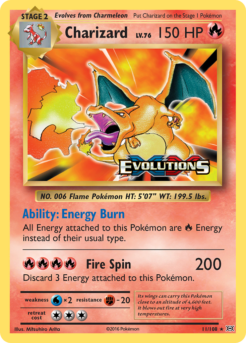
Its wings can carry this Pokémon close to an altitude of 4,600 feet. It blows out fire at very high temperatures.
Paradox Rift
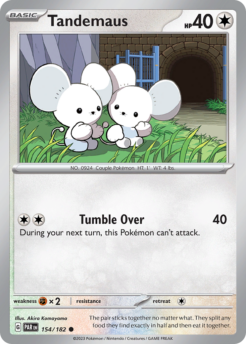
The pair sticks together no matter what. They split any food they find exactly in half and then eat it together.
Fusion Strike
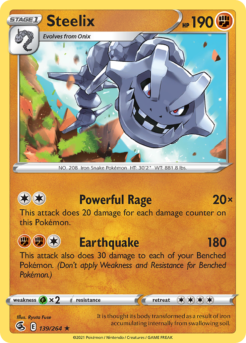
It is thought its body transformed as a result of iron accumulating internally from swallowing soil.
Scarlet & Violet
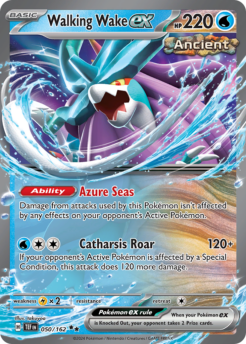
If your opponent’s Active Pokémon is affected by a Special Condition, this attack does 120 more damage.
Scarlet & Violet
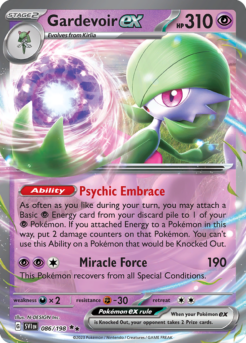
It has a psychic power that enables it to distort the space around it and see into the future.
Tutustu myös
Sword & Shield
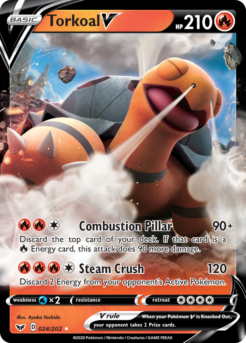
Discard the top card of your deck. If that card is a Fire Energy card, this attack does 90 more damage.
Sword & Shield
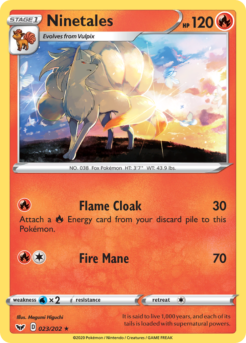
It is said to live 1,000 years, and each of its tails is loaded with supernatural powers.
Sword & Shield
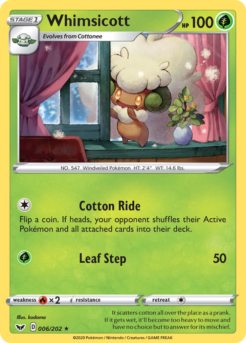
It scatters cotton all over the place as a prank. If it gets wet, it'll become too heavy to move and have no choice but to answer for its mischief.

Sword & Shield
Search your deck for up to 2 Pokémon, reveal them, and put them into your hand. Then, shuffle your deck.
Sword & Shield
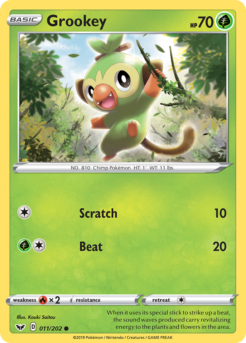
When it uses its special stick to strike up a beat, the sound waves produced carry revitalizing energy to the plants and flowers in the area.
Sword & Shield
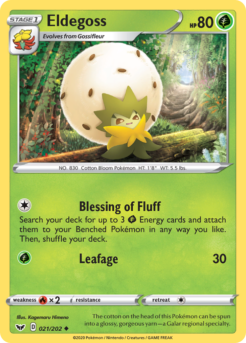
The cotton on the head of this Pokémon can be spun into a glossy, gorgeous yarn—a Galar regional specialty.
Sword & Shield
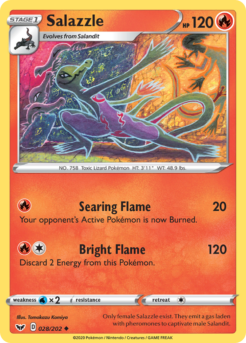
Only female Salazzle exist. They emit a gas laden with pheromones to captivate male Salandit.
Sword & Shield
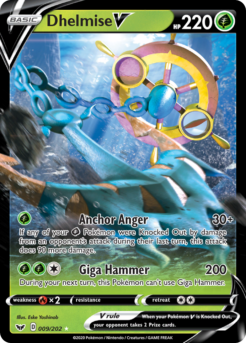
If any of your Grass Pokémon were Knocked Out by damage from an opponent’s attack during their last turn, this attack does 90 more damage.