



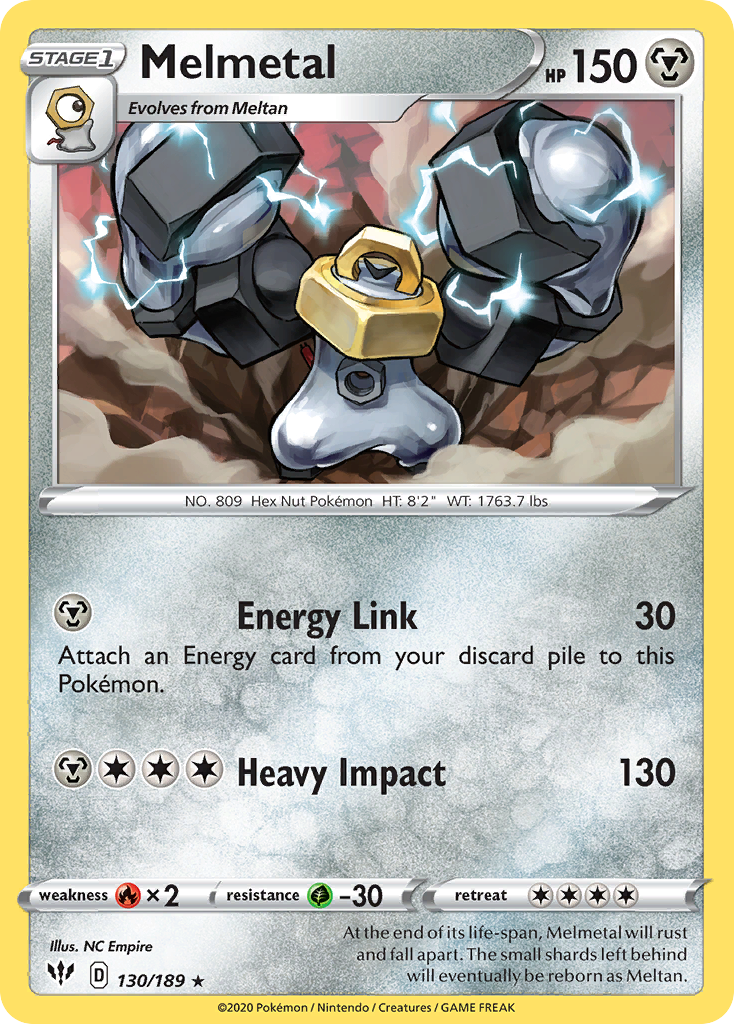
Melmetal

At the end of its life-span, Melmetal will rust and fall apart. The small shards left behind will eventually be reborn as Meltan.

Attach an Energy card from your discard pile to this Pokémon.
| Supertype | Pokémon |
|---|---|
| Subtype | Stage 1 |
| HP | 150 |
| Types | Metal |
| Attack | Energy Link |
| Attack cost | Metal |
| Artist | NC Empire |
| Rarity | Rare |
| Pokédex | 809 |
| Evolves from | Meltan |
Vendor Information
- Store Name: DutchGem
- Vendor: DutchGem
-
Address:
gekkestraat
179
2345GT Utrecht
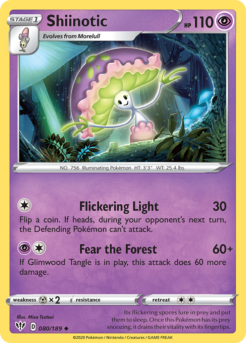
Darkness Ablaze
Its flickering spores lure in prey and put them to sleep. Once this Pokémon has its prey snoozing, it drains their vitality with its fingertips.
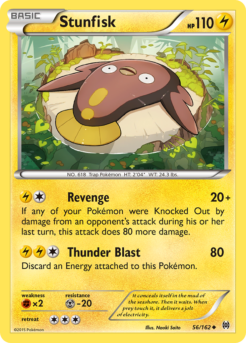
BREAKthrough
It conceals itself in the mud of the seashore. Then it waits. When prey touch it, it delivers a jolt of electricity.
Paldean Fates
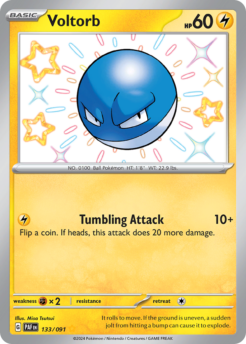
It rolls to move. If the ground is uneven, a sudden jolt from hitting a bump can cause it to explode.
Fusion Strike
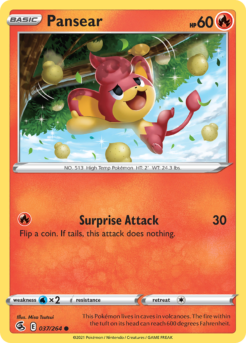
This Pokémon lives in caves in volcanoes. The fire within the tuft on its head can reach 600 degrees Fahrenheit.
Sun & Moon
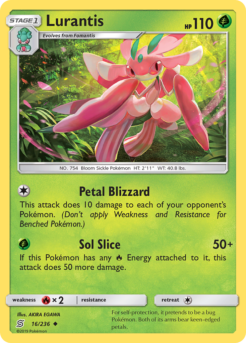
For self-protection, it pretends to be a bug Pokémon. Both of its arms bear keen-edged petals.
Tutustu myös
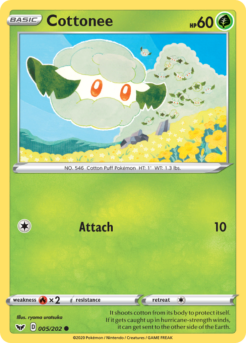
Sword & Shield
It shoots cotton from its body to protect itself. If it gets caught up in hurricane-strength winds, it can get sent to the other side of the Earth.
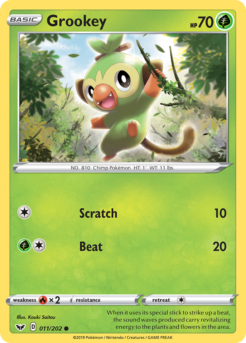
Sword & Shield
When it uses its special stick to strike up a beat, the sound waves produced carry revitalizing energy to the plants and flowers in the area.
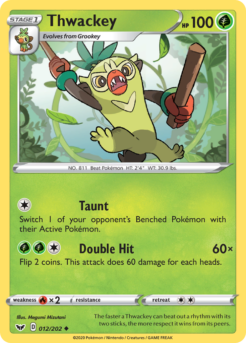
Sword & Shield
The faster a Thwackey can beat out a rhythm with its two sticks, the more respect it wins from its peers.
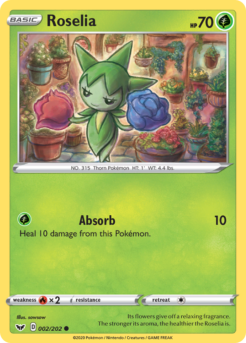
Sword & Shield
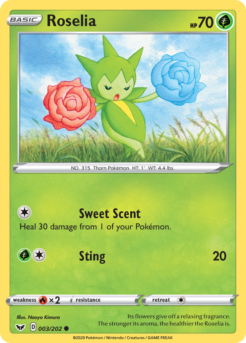
Its flowers give off a relaxing fragrance. The stronger its aroma, the healthier the Roselia is.

Sword & Shield
Attach up to 3 Fire Energy cards from your discard pile to your Pokémon in any way you like.
Sword & Shield
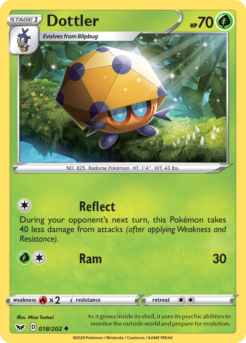
As it grows inside its shell, it uses its psychic abilities to monitor the outside world and prepare for evolution.
Sword & Shield
Its flowers give off a relaxing fragrance. The stronger its aroma, the healthier the Roselia is.
Sword & Shield
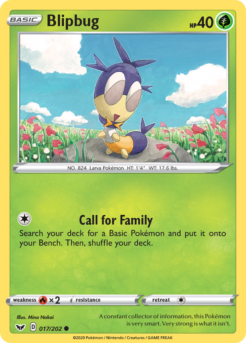
A constant collector of information, this Pokémon is very smart. Very strong is what it isn't.