



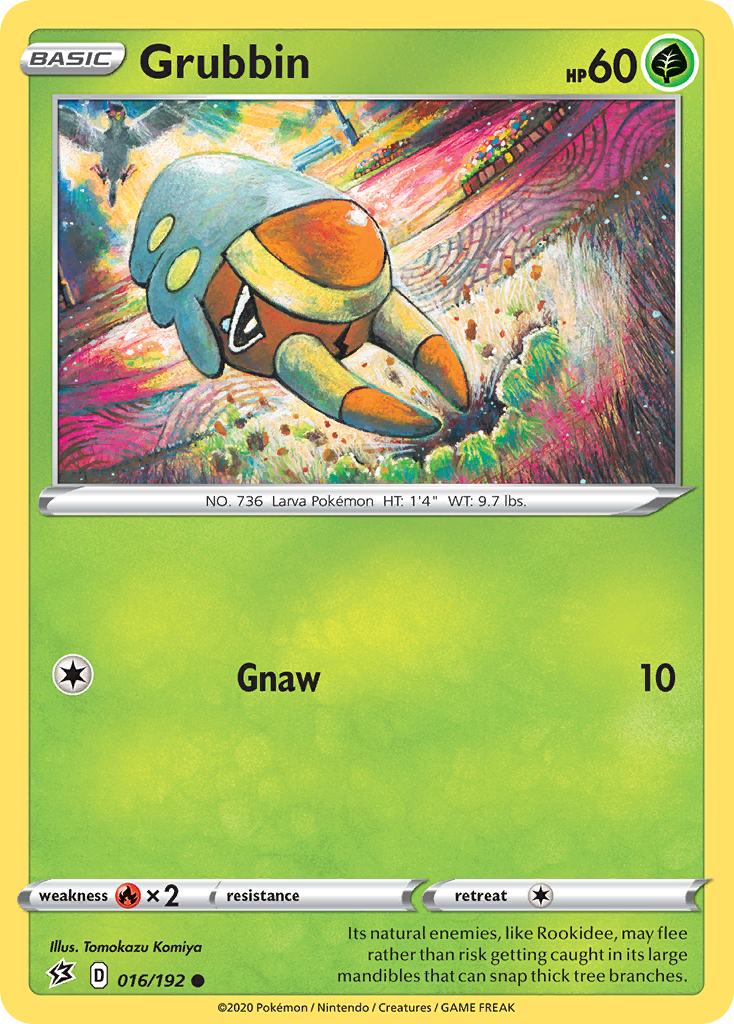
Grubbin
Its natural enemies, like Rookidee, may flee rather than risk getting caught in its large mandibles that can snap thick tree branches.
| Supertype | Pokémon |
|---|---|
| Subtype | Basic |
| HP | 60 |
| Types | Grass |
| Attack | Gnaw |
| Attack cost | Colorless |
| Artist | Tomokazu Komiya |
| Rarity | Common |
| Pokédex | 736 |
| Evolves to | Charjabug |
Vendor Information
- Store Name: DutchGem
- Vendor: DutchGem
-
Address:
gekkestraat
179
2345GT Utrecht
Scarlet & Violet
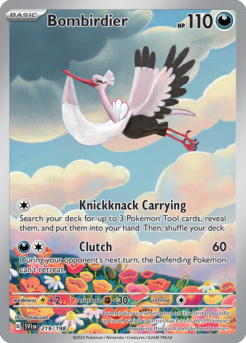
Bombirdier uses the apron on its chest to bundle up food, which it carries back to its nest. It enjoys dropping things that make loud noises.
Battle Styles
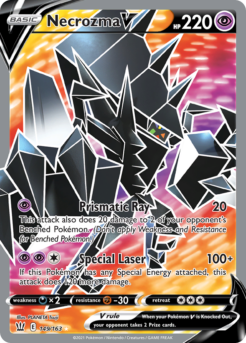
This attack also does 20 damage to 2 of your opponent’s Benched Pokémon. (Don’t apply Weakness and Resistance for Benched Pokémon.)
Roaring Skies
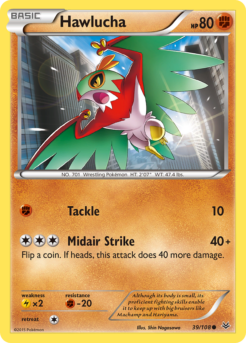
Although its body is small, its proficient fighting skills enable it to keep up with big bruisers like Machamp and Hariyama.
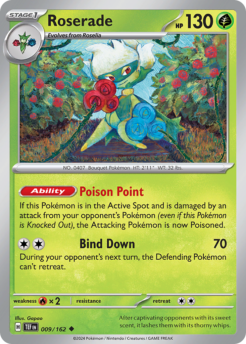
Scarlet & Violet
After captivating opponents with its sweet scent, it lashes them with its thorny whips.
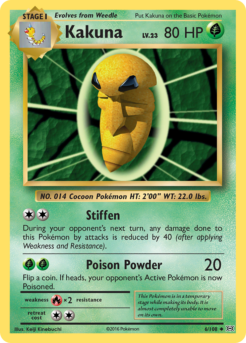
Evolutions
This Pokémon is in a temporary stage while making its body. It is almost completely unable to move on its own.
Tutustu myös
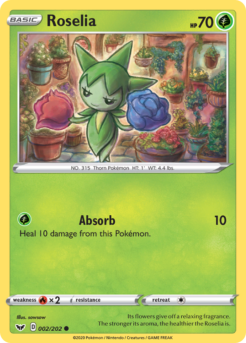
Sword & Shield
Its flowers give off a relaxing fragrance. The stronger its aroma, the healthier the Roselia is.
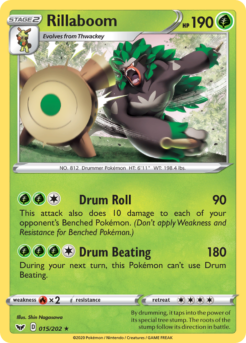
Sword & Shield
By drumming, it taps into the power of its special tree stump. The roots of the stump follow its direction in battle.
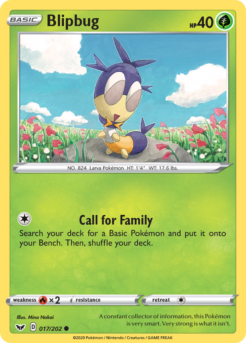
Sword & Shield
A constant collector of information, this Pokémon is very smart. Very strong is what it isn't.
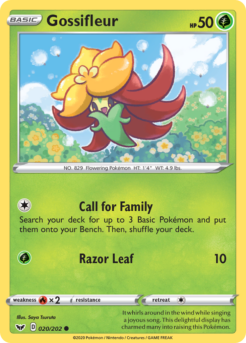
Sword & Shield
It whirls around in the wind while singing a joyous song. This delightful display has charmed many into raising this Pokémon.
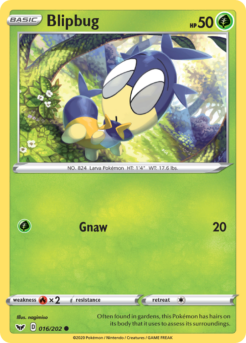
Sword & Shield
Often found in gardens, this Pokémon has hairs on its body that it uses to assess its surroundings.
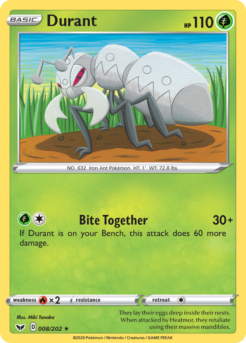
Sword & Shield
They lay their eggs deep inside their nests. When attacked by Heatmor, they retaliate using their massive mandibles.
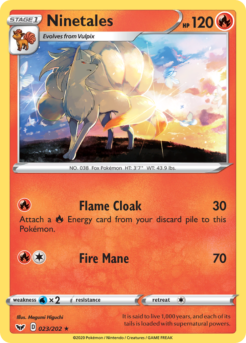
Sword & Shield
It is said to live 1,000 years, and each of its tails is loaded with supernatural powers.
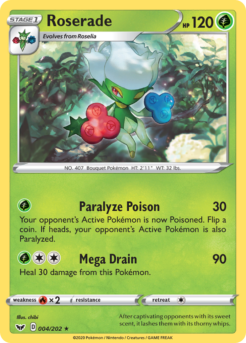
Sword & Shield
After captivating opponents with its sweet scent, it lashes them with its thorny whips.