



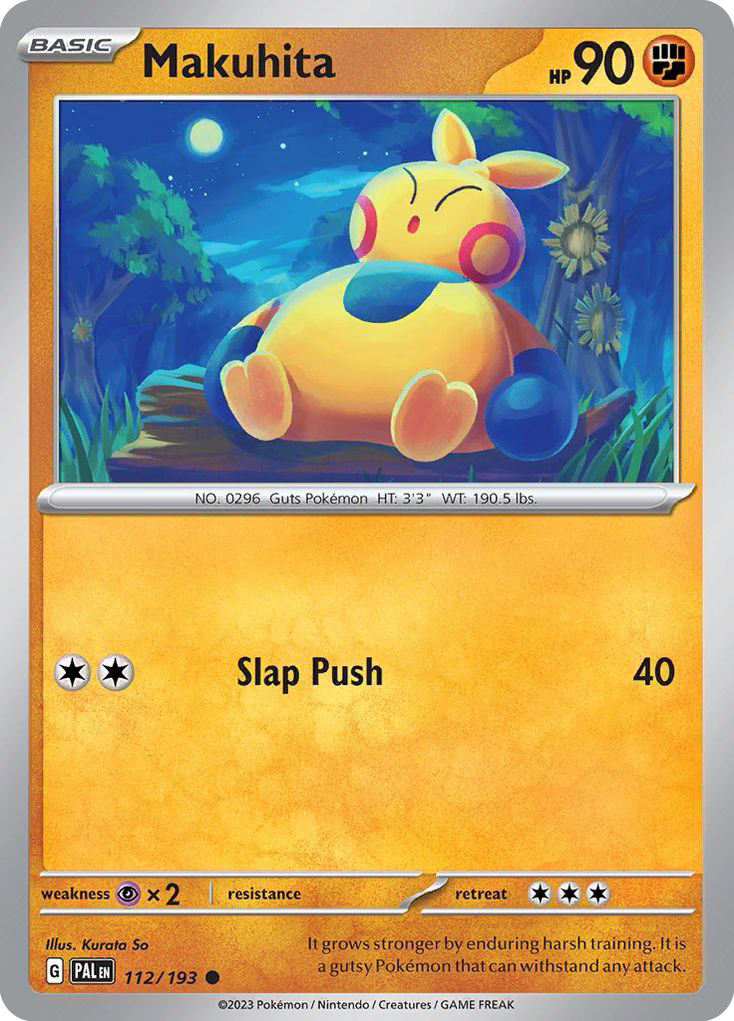
Makuhita

It grows stronger by enduring harsh training. It is a gutsy Pokémon that can withstand any attack.

| Supertype | Pokémon |
|---|---|
| Subtype | Basic |
| HP | 90 |
| Types | Fighting |
| Attack | Slap Push |
| Attack cost | Colorless |
| Artist | Kurata So |
| Rarity | Common |
| Pokédex | 296 |
Vendor Information
- Store Name: DutchGem
- Vendor: DutchGem
-
Address:
gekkestraat
179
2345GT Utrecht
Sun & Moon
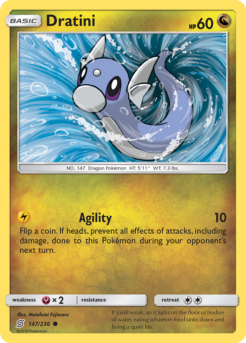
It's still weak, so it lurks on the floor of bodies of water, eating whatever food sinks down and living a quiet life.
Lost Origin
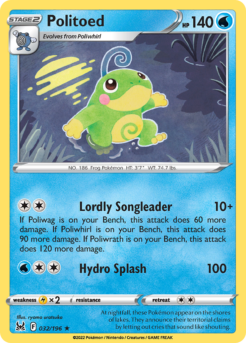
At nightfall, these Pokémon appear on the shores of lakes. They announce their territorial claims by letting out cries that sound like shouting.
Fusion Strike
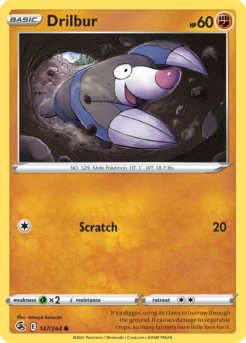
It's a digger, using its claws to burrow through the ground. It causes damage to vegetable crops, so many farmers have little love for it.
Tutustu myös
Scarlet & Violet
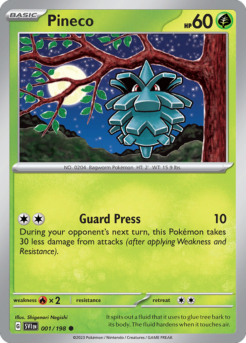
It spits out a fluid that it uses to glue tree bark to its body. The fluid hardens when it touches air.
Scarlet & Violet
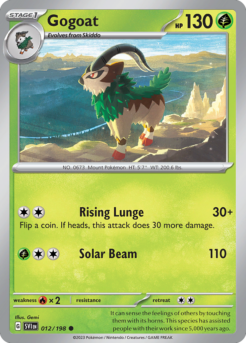
It can sense the feelings of others by touching them with its horns. This species has assisted people with their work since 5,000 years ago.
Scarlet & Violet
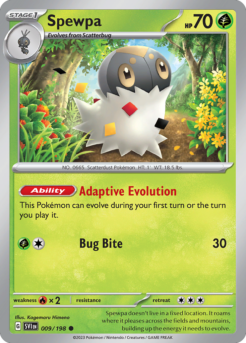
Spewpa doesn't live in a fixed location. It roams where it pleases across the fields and mountains, building up the energy it needs to evolve.
Scarlet & Violet
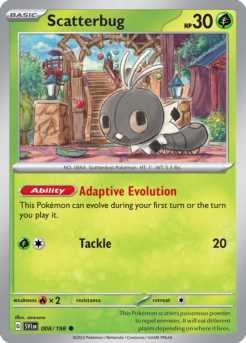
This Pokémon scatters poisonous powder to repel enemies. It will eat different plants depending on where it lives.
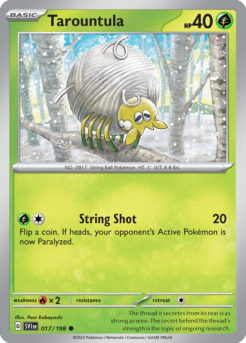
Scarlet & Violet
The thread it secretes from its rear is as strong as wire. The secret behind the thread's strength is the topic of ongoing research.
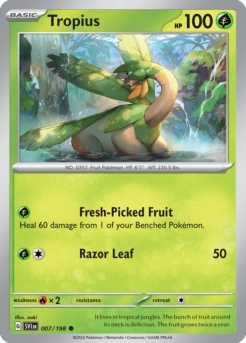
Scarlet & Violet
It lives in tropical jungles. The bunch of fruit around its neck is delicious. The fruit grows twice a year.
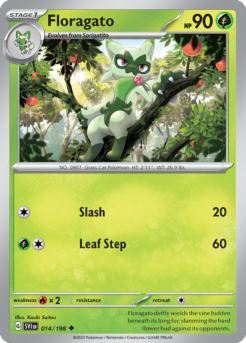
Scarlet & Violet
Floragato deftly wields the vine hidden beneath its long fur, slamming the hard flower bud against its opponents.
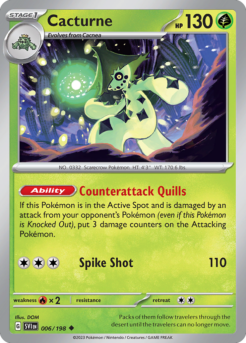
Scarlet & Violet
Packs of them follow travelers through the desert until the travelers can no longer move.