



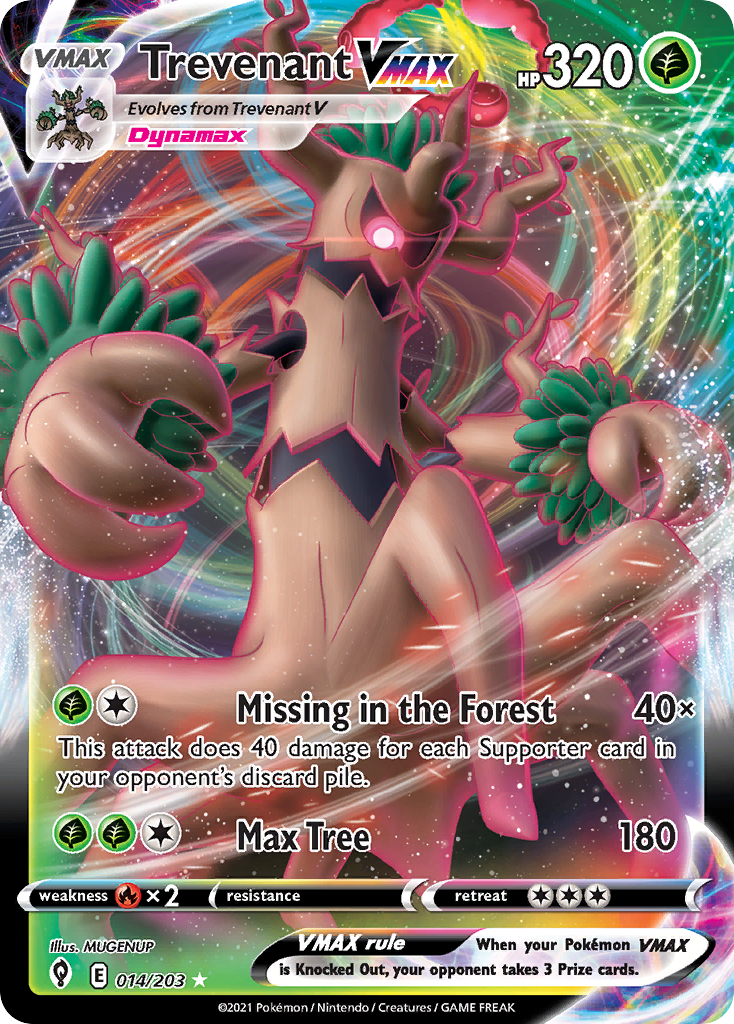

This attack does 40 damage for each Supporter card in your opponent’s discard pile.
| Supertype | Pokémon |
|---|---|
| Subtype | VMAX |
| HP | 320 |
| Types | Grass |
| Attack | Missing in the Forest |
| Attack cost | Grass |
| Artist | MUGENUP |
| Rarity | Rare Holo VMAX |
| Pokédex | 709 |
| Evolves from | Trevenant V |
Información del vendedor
- Nombre de la tienda: DutchGem
- Vendedor: DutchGem
-
Dirección:
gekkestraat
179
2345GT Utrecht
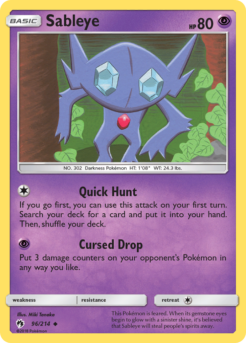
Lost Thunder
This Pokémon is feared. When its gemstone eyes begin to glow with a sinister shine, it's believed that Sableye will steal people's spirits away.
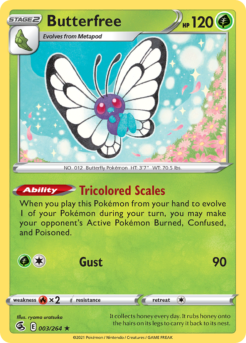
Fusion Strike
It collects honey every day. It rubs honey onto the hairs on its legs to carry it back to its nest.
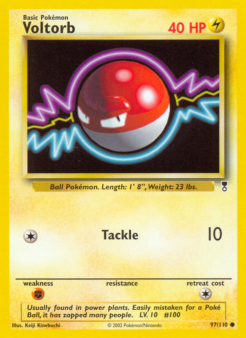
Base
Usually found in power plants. Easily mistaken for a Poké Ball, it has zapped many people.

Sword & Shield
You may search your deck for up to 2 cards and put them into your hand. Then, shuffle your deck.
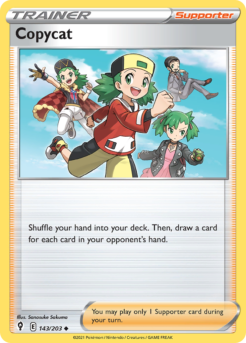
Productos relacionados
Sword & Shield
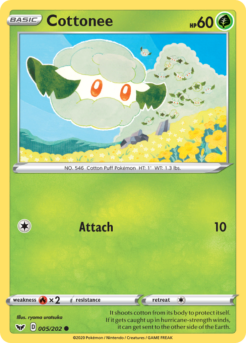
It shoots cotton from its body to protect itself. If it gets caught up in hurricane-strength winds, it can get sent to the other side of the Earth.
Sword & Shield
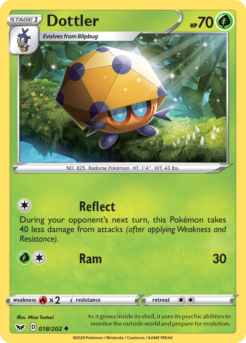
As it grows inside its shell, it uses its psychic abilities to monitor the outside world and prepare for evolution.

Sword & Shield
There's a hole in its tail that allows it to draw in the air it needs to keep its fire burning. If the hole gets blocked, this Pokémon will fall ill.
Sword & Shield
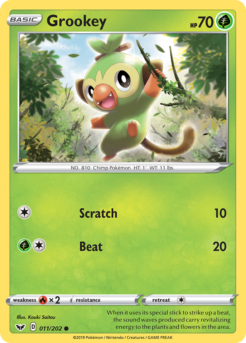
When it uses its special stick to strike up a beat, the sound waves produced carry revitalizing energy to the plants and flowers in the area.
Sword & Shield
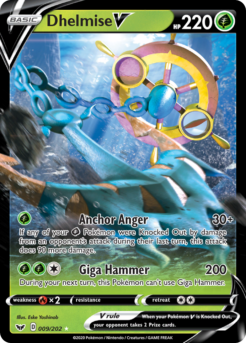
If any of your Grass Pokémon were Knocked Out by damage from an opponent’s attack during their last turn, this attack does 90 more damage.
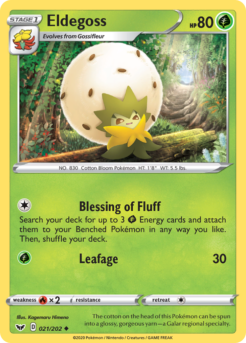
Sword & Shield
The cotton on the head of this Pokémon can be spun into a glossy, gorgeous yarn—a Galar regional specialty.
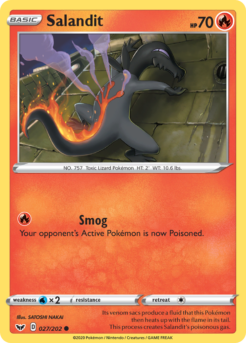
Sword & Shield
Its venom sacs produce a fluid that this Pokémon then heats up with the flame in its tail. This process creates Salandit's poisonous gas.
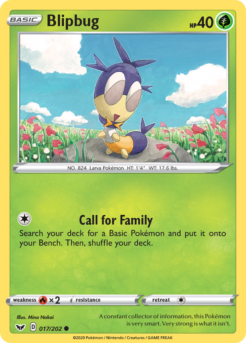
Sword & Shield
A constant collector of information, this Pokémon is very smart. Very strong is what it isn't.