



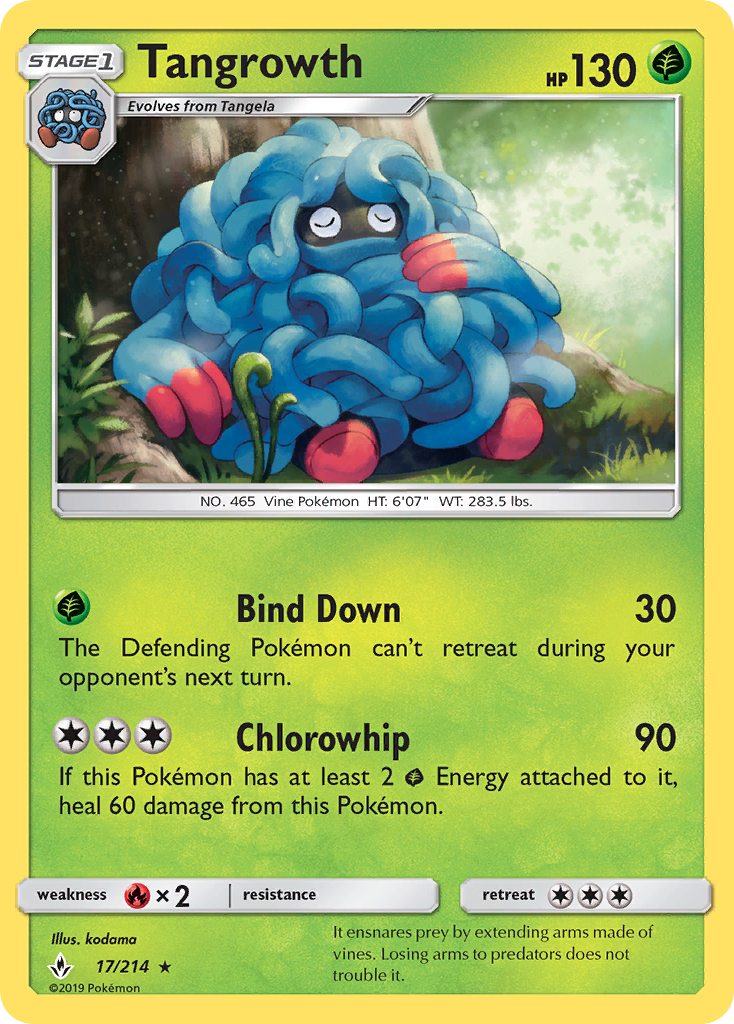
Tangrowth
It ensnares prey by extending arms made of vines. Losing arms to predators does not trouble it.
The Defending Pokémon can’t retreat during your opponent’s next turn.
| Supertype | Pokémon |
|---|---|
| Subtype | Stage 1 |
| HP | 130 |
| Types | Grass |
| Attack | Bind Down |
| Attack cost | Grass |
| Artist | kodama |
| Rarity | Rare |
| Pokédex | 465 |
| Evolves from | Tangela |
Información del vendedor
- Nombre de la tienda: DutchGem
- Vendedor: DutchGem
-
Dirección:
gekkestraat
179
2345GT Utrecht

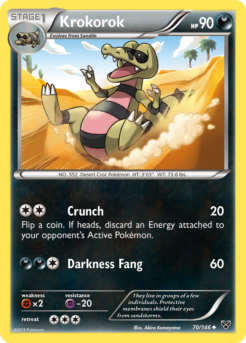
XY
They live in groups of a few individuals. Protective membranes shield their eyes from sandstorms.
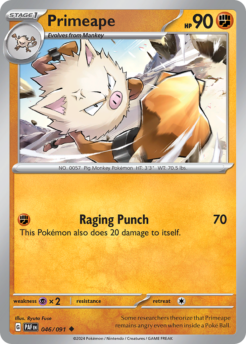
Paldean Fates
Some researchers theorize that Primeape remains angry even when inside a Poké Ball.
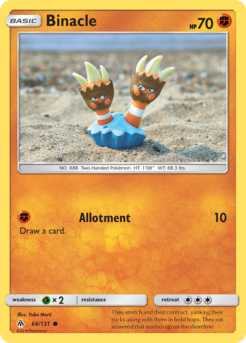
Forbidden Light
They stretch and then contract, yanking their rocks along with them in bold hops. They eat seaweed that washes up on the shoreline.
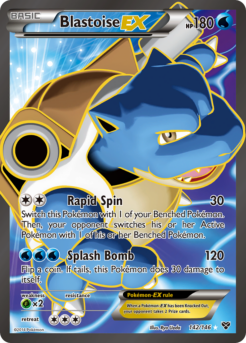
XY
Switch this Pokémon with 1 of your Benched Pokémon. Then, your opponent switches his or her Active Pokémon with 1 of his or her Benched Pokémon.
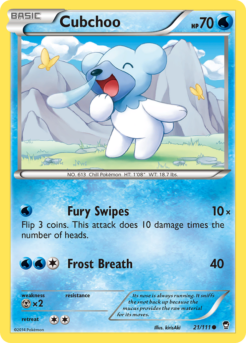
Furious Fists
Its nose is always running. It sniffs the snot back up because the mucus provides the raw material for its moves.
Productos relacionados
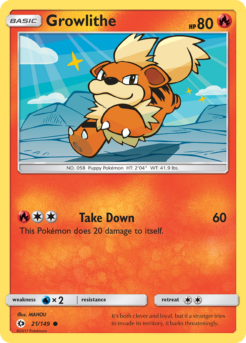
Sun & Moon
It's both clever and loyal, but if a stranger tries to invade its territory, it barks threateningly.
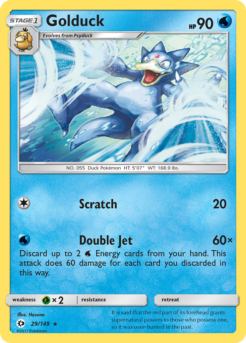
Sun & Moon
It is said that the red part of its forehead grants supernatural powers to those who posses one, so it was over-hunted in the past.
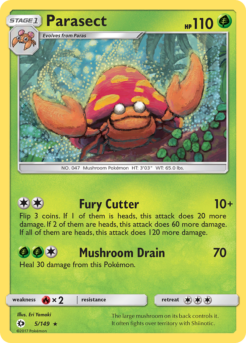
Sun & Moon
The large mushroom on its back controls it. It often fights over territory with Shiinotic.
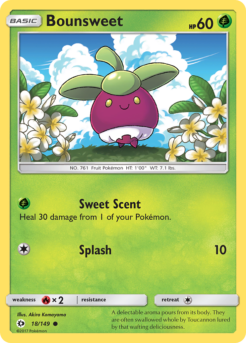
Sun & Moon
A delectable aroma pours from its body. They are often swallowed whole by Toucannon lured by that wafting deliciousness.
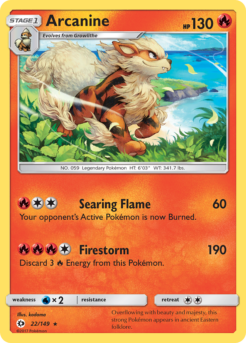
Sun & Moon
Overflowing with beauty and majesty, this strong Pokémon appears in ancient Eastern folklore.
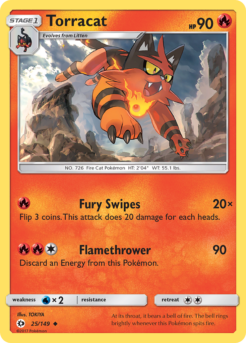
Sun & Moon
At its throat, it bears a bell of fire. The bell rings brightly whenever this Pokémon spits fire.
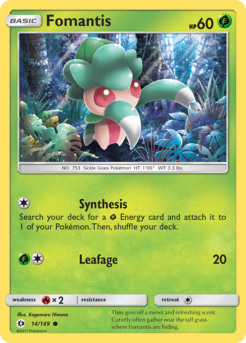
Sun & Moon
They give off a sweet and refreshing scent. Cutiefly often gather near the tall grass where Fomantis are hiding.
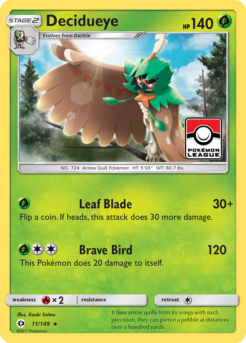
Sun & Moon
It fires arrow quills from its wings with such precision, they can pierce a pebble at distances over a hundred yards.