



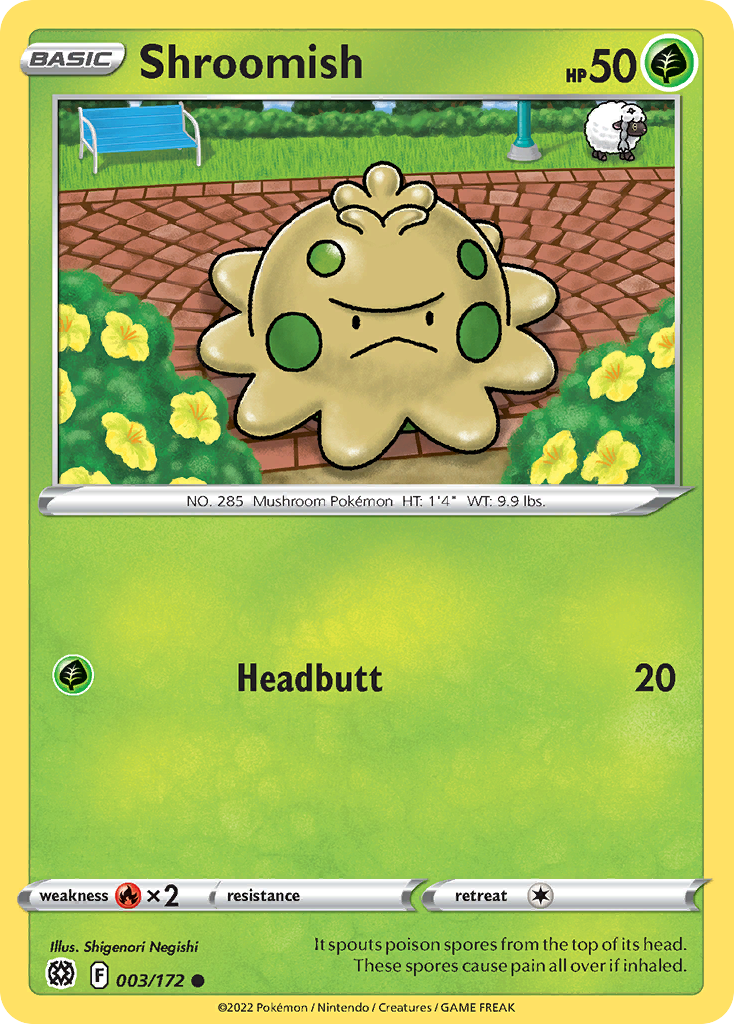
Shroomish
It spouts poison spores from the top of its head. These spores cause pain all over if inhaled.
| Supertype | Pokémon |
|---|---|
| Subtype | Basic |
| HP | 50 |
| Types | Grass |
| Attack | Headbutt |
| Attack cost | Grass |
| Artist | Shigenori Negishi |
| Rarity | Common |
| Pokédex | 285 |
| Evolves to | Breloom |
Información del vendedor
- Nombre de la tienda: DutchGem
- Vendedor: DutchGem
-
Dirección:
gekkestraat
179
2345GT Utrecht
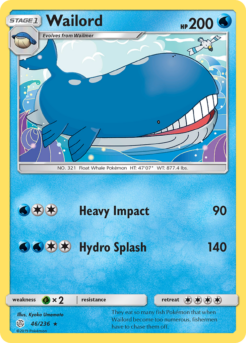
Cosmic Eclipse
They eat so many fish Pokémon that when Wailord become too numerous, fishermen have to chase them off.
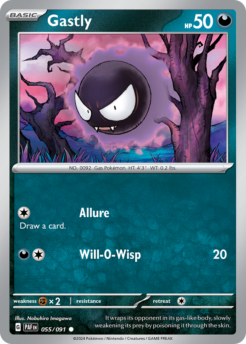
Paldean Fates
It wraps its opponent in its gas-like body, slowly weakening its prey by poisoning it through the skin.
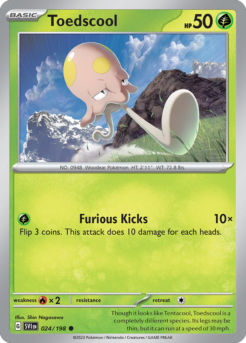
Scarlet & Violet
Though it looks like Tentacool, Toedscool is a completely different species. Its legs may be thin, but it can run at a speed of 30 mph.
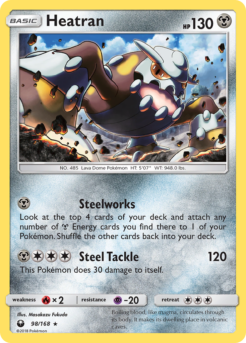
Celestial Storm
Boiling blood, like magma, circulates through its body. It makes its dwelling place in volcanic caves.
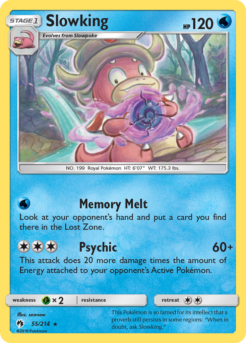
Lost Thunder
This Pokémon is so famed for its intellect that a proverb still persists in some regions: "When in doubt, ask Slowking."
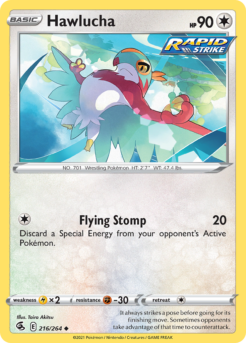
Fusion Strike
It always strikes a pose before going for its finishing move. Sometimes opponents take advantage of that time to counterattack.