



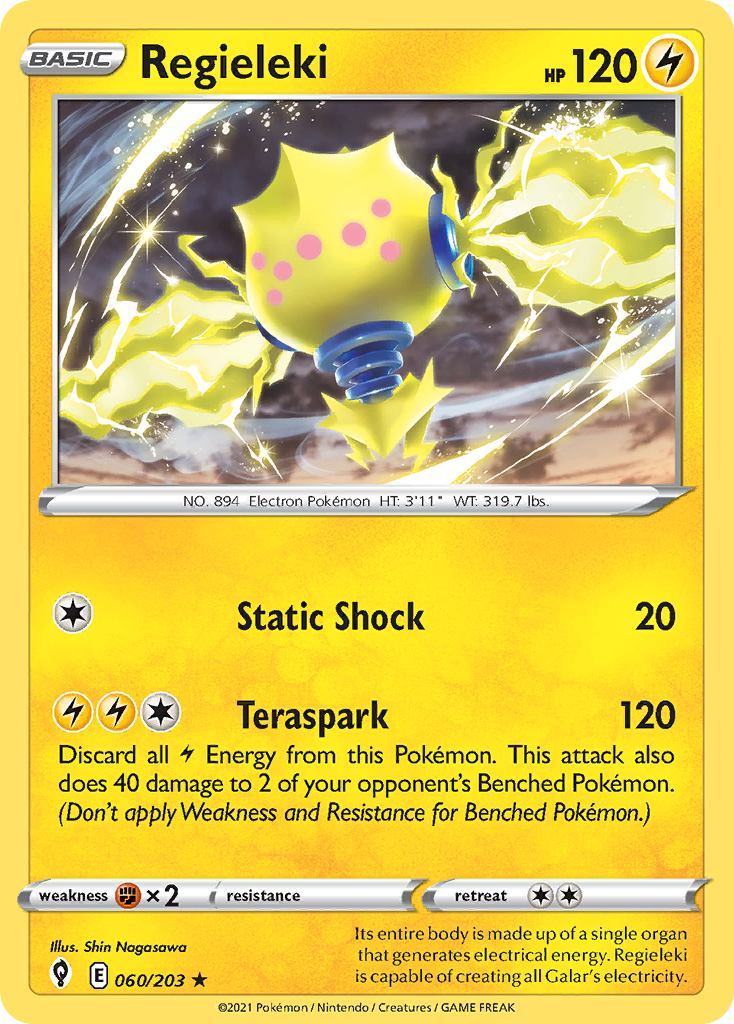
Regieleki


Its entire body is made up of a single organ that generates electrical energy. Regieleki is capable of creating all Galar’s electricity.
| Supertype | Pokémon |
|---|---|
| Subtype | Basic |
| HP | 120 |
| Types | Lightning |
| Attack | Static Shock |
| Attack cost | Colorless |
| Artist | Shin Nagasawa |
| Rarity | Rare Holo |
| Pokédex | 894 |
Información del vendedor
- Nombre de la tienda: DutchGem
- Vendedor: DutchGem
-
Dirección:
gekkestraat
179
2345GT Utrecht
Obsidian Flames
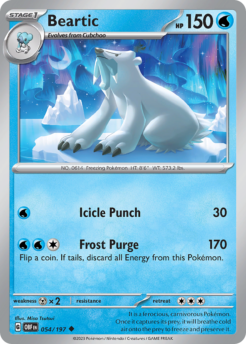
It is a ferocious, carnivorous Pokémon. Once it captures its prey, it will breathe cold air onto the prey to freeze and preserve it.
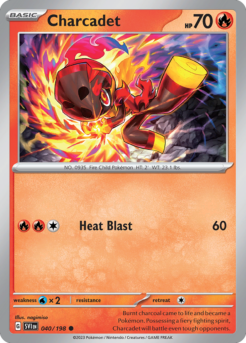
Scarlet & Violet
Burnt charcoal came to life and became a Pokémon. Possessing a fiery fighting spirit, Charcadet will battle even tough opponents.
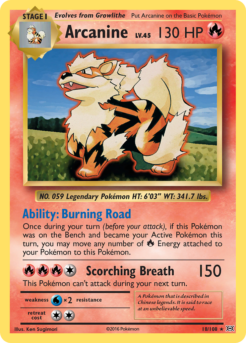
Evolutions
A Pokémon that is described in Chinese legends. It is said to race at an unbelievable speed.
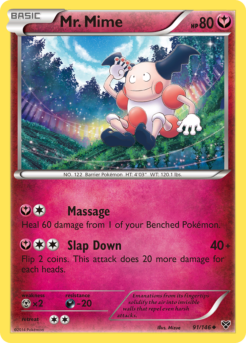
XY
Emanations from its fingertips solidify the air into invisible walls that repel even harsh attacks.
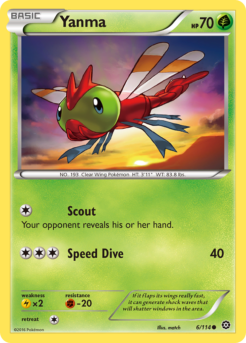
Steam Siege
If it flaps its wings really fast, it can generate shock waves that will shatter windows in the area.
Productos relacionados
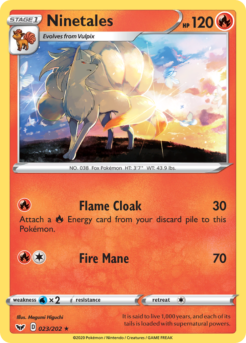
Sword & Shield
It is said to live 1,000 years, and each of its tails is loaded with supernatural powers.
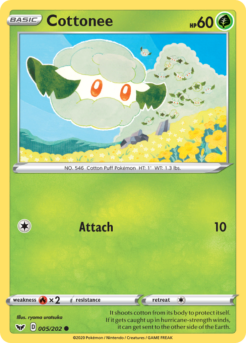
Sword & Shield
It shoots cotton from its body to protect itself. If it gets caught up in hurricane-strength winds, it can get sent to the other side of the Earth.
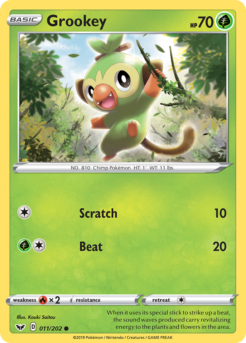
Sword & Shield
When it uses its special stick to strike up a beat, the sound waves produced carry revitalizing energy to the plants and flowers in the area.
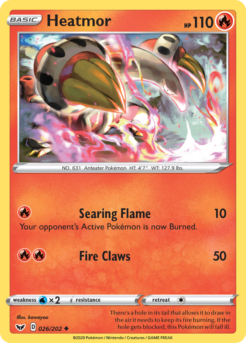
Sword & Shield
There's a hole in its tail that allows it to draw in the air it needs to keep its fire burning. If the hole gets blocked, this Pokémon will fall ill.
Sword & Shield
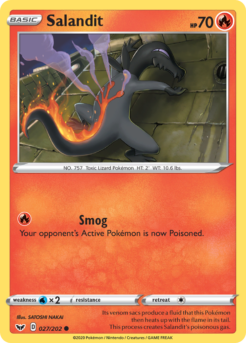
Its venom sacs produce a fluid that this Pokémon then heats up with the flame in its tail. This process creates Salandit's poisonous gas.
Sword & Shield
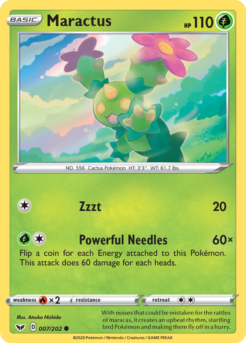
With noises that could be mistaken for the rattles of maracas, it creates an upbeat rhythm, startling bird Pokémon and making them fly off in a hurry.
Sword & Shield
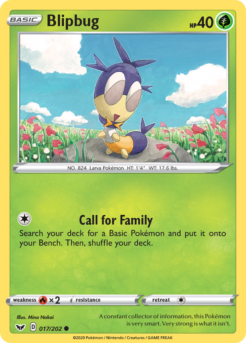
A constant collector of information, this Pokémon is very smart. Very strong is what it isn't.
Sword & Shield
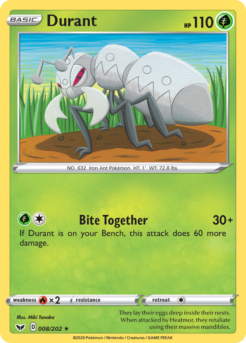
They lay their eggs deep inside their nests. When attacked by Heatmor, they retaliate using their massive mandibles.