



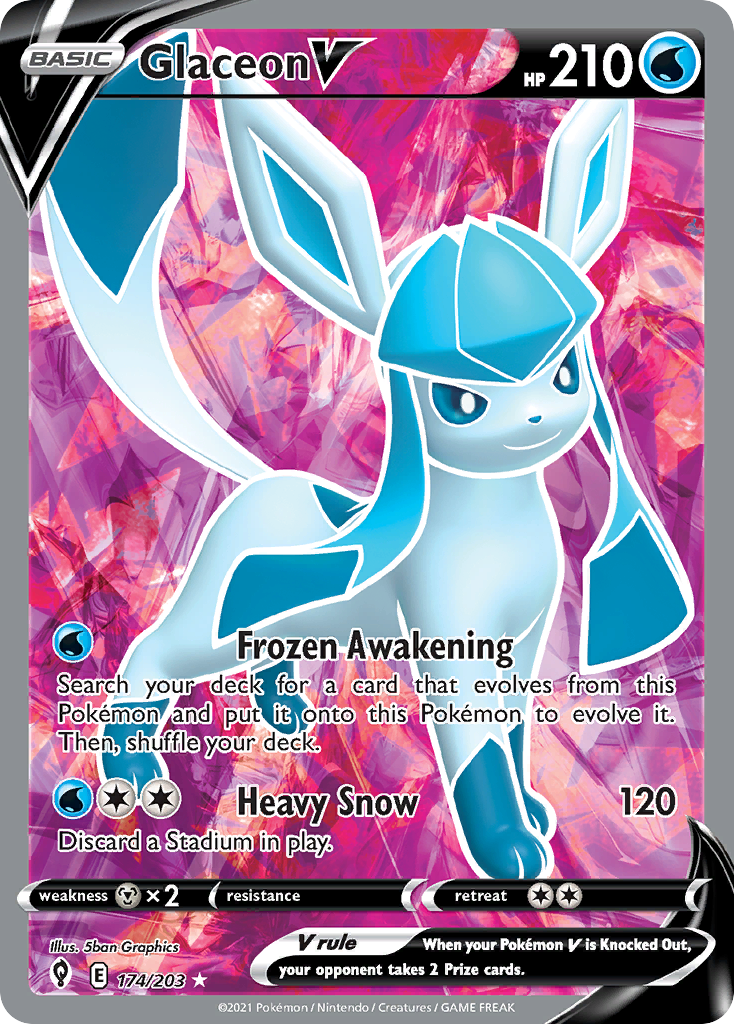
Search your deck for a card that evolves from this Pokémon and put it onto this Pokémon to evolve it. Then, shuffle your deck.
| Supertype | Pokémon |
|---|---|
| Subtype | Basic |
| HP | 210 |
| Types | Water |
| Attack | Frozen Awakening |
| Attack cost | Water |
| Artist | 5ban Graphics |
| Rarity | Rare Ultra |
| Pokédex | 471 |
Información del vendedor
- Nombre de la tienda: DutchGem
- Vendedor: DutchGem
-
Dirección:
gekkestraat
179
2345GT Utrecht
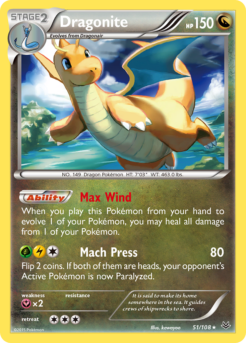
Roaring Skies
It is said to make its home somewhere in the sea. It guides crews of shipwrecks to shore.

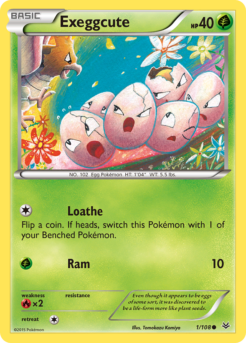
Roaring Skies
Even though it appears to be eggs of some sort, it was discovered to be a life-form more like plant seeds.
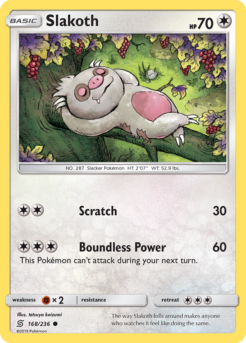
Sun & Moon
The way Slakoth lolls around makes anyone who watches it feel like doing the same.
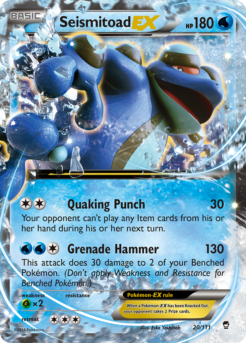
Furious Fists
Your opponent can’t play any Item cards from his or her hand during his or her next turn.
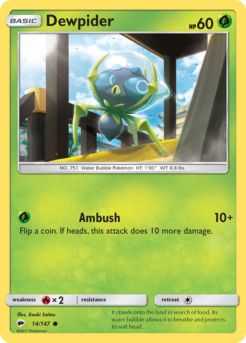
Burning Shadows
It crawls onto the land in search of food. Its water bubble allows it to breathe and protects its soft head.
Productos relacionados

Sword & Shield
Attach up to 3 Fire Energy cards from your discard pile to your Pokémon in any way you like.
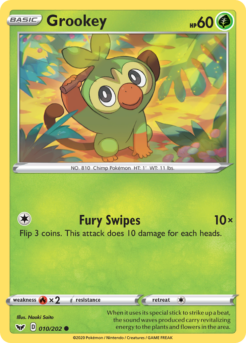
Sword & Shield
When it uses its special stick to strike up a beat, the sound waves produced carry revitalizing energy to the plants and flowers in the area.
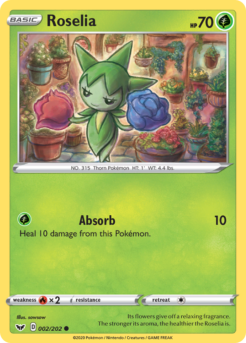
Sword & Shield
Its flowers give off a relaxing fragrance. The stronger its aroma, the healthier the Roselia is.
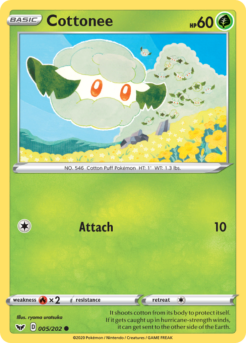
Sword & Shield
It shoots cotton from its body to protect itself. If it gets caught up in hurricane-strength winds, it can get sent to the other side of the Earth.
Sword & Shield
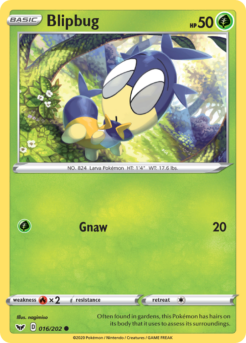
Often found in gardens, this Pokémon has hairs on its body that it uses to assess its surroundings.
Sword & Shield
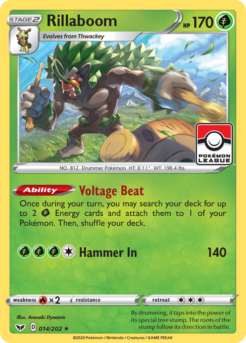
By drumming, it taps into the power of its special tree stump. The roots of the stump follow its direction in battle.
Sword & Shield
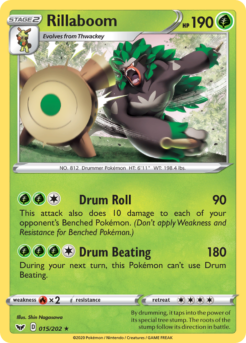
By drumming, it taps into the power of its special tree stump. The roots of the stump follow its direction in battle.
Sword & Shield
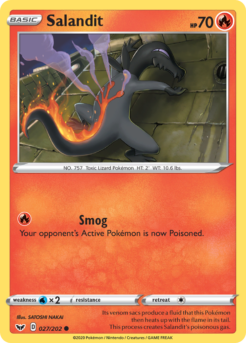
Its venom sacs produce a fluid that this Pokémon then heats up with the flame in its tail. This process creates Salandit's poisonous gas.