



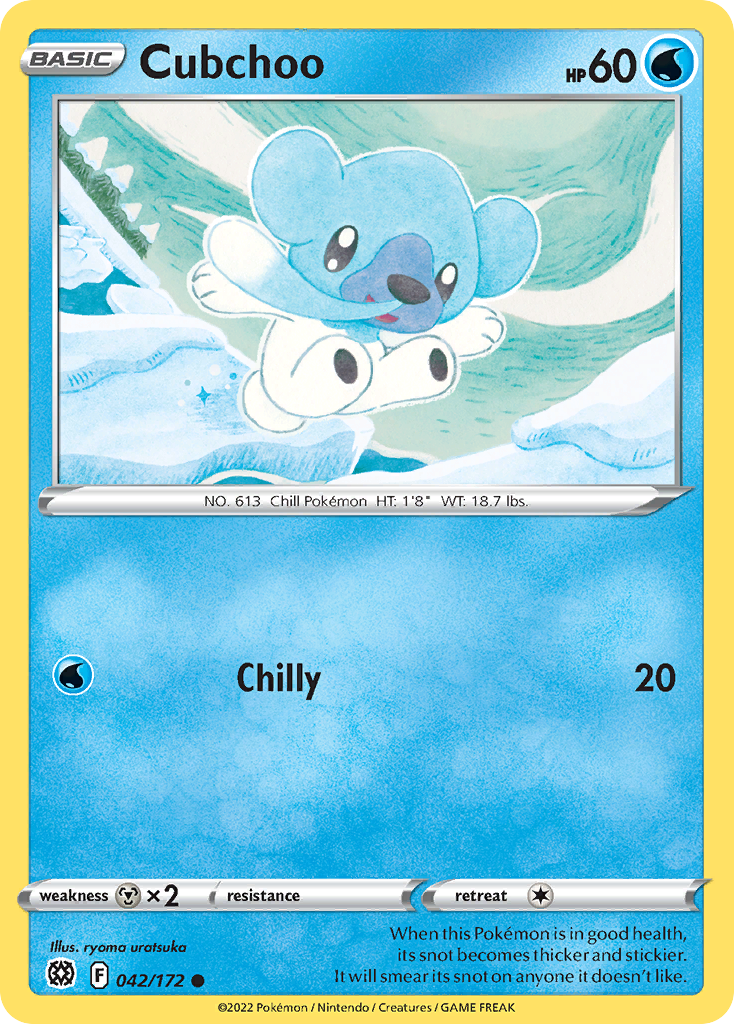
Cubchoo
When this Pokémon is in good health, its snot becomes thicker and stickier. It will smear its snot on anyone it doesn’t like.
| Supertype | Pokémon |
|---|---|
| Subtype | Basic |
| HP | 60 |
| Types | Water |
| Attack | Chilly |
| Attack cost | Water |
| Artist | ryoma uratsuka |
| Rarity | Common |
| Pokédex | 613 |
| Evolves to | Beartic |
Información del vendedor
- Nombre de la tienda: DutchGem
- Vendedor: DutchGem
-
Dirección:
gekkestraat
179
2345GT Utrecht
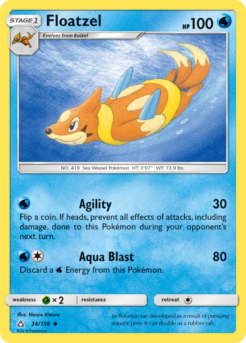
Sun & Moon
Its flotation sac developed as a result of pursuing aquatic prey. It can double as a rubber raft.
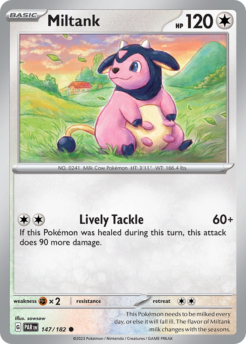
Paradox Rift
This Pokémon needs to be milked every day, or else it will fall ill. The flavor of Miltank milk changes with the seasons.
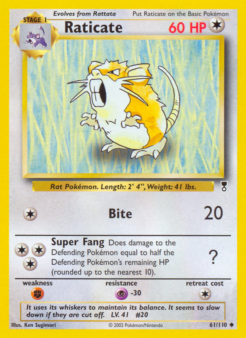
Base
It uses its whiskers to maintain its balance. It seems to slow down if they are cut off.
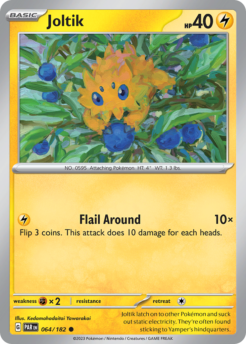
Paradox Rift
Joltik latch on to other Pokémon and suck out static electricity. They're often found sticking to Yamper's hindquarters.
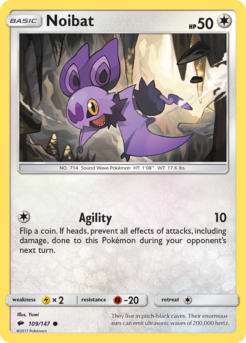
Burning Shadows
They live in pitch black caves. Their enormous ears can emit ultrasonic waves of 200,000 hertz.
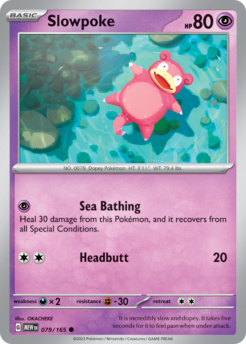
151
It is incredibly slow and dopey. It takes five seconds for it to feel pain when under attack.