



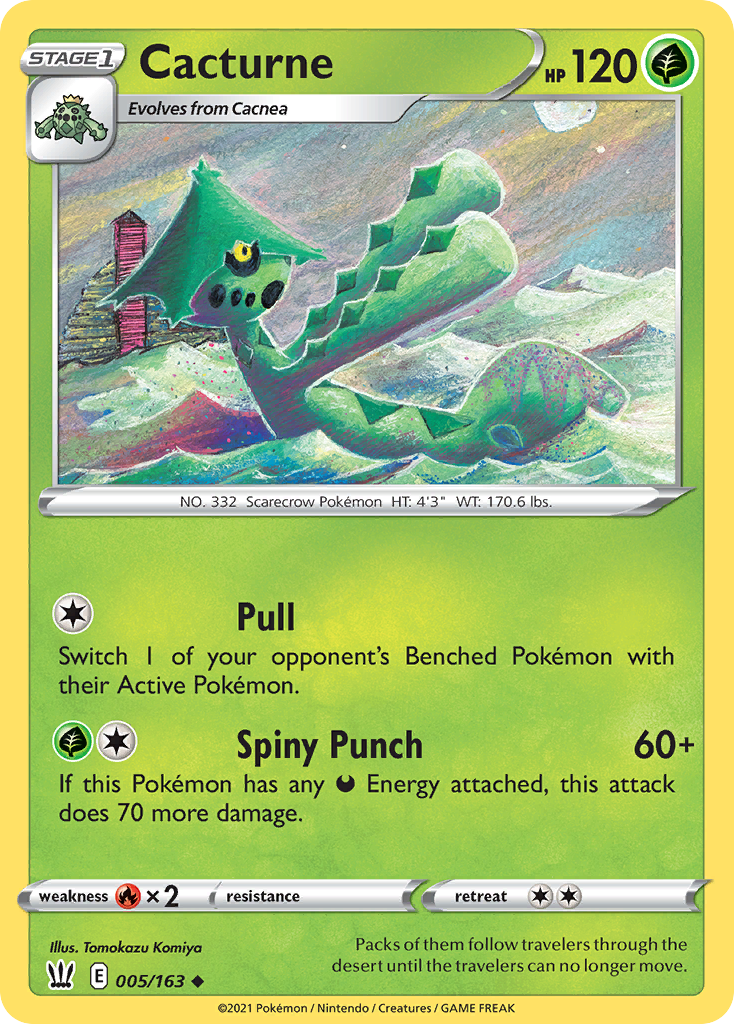
Cacturne
Packs of them follow travelers through the desert until the travelers can no longer move.
Switch 1 of your opponent’s Benched Pokémon with their Active Pokémon.
| Supertype | Pokémon |
|---|---|
| Subtype | Stage 1 |
| HP | 120 |
| Types | Grass |
| Attack | Pull |
| Attack cost | Colorless |
| Artist | Tomokazu Komiya |
| Rarity | Uncommon |
| Pokédex | 332 |
| Evolves from | Cacnea |
Información del vendedor
- Nombre de la tienda: DutchGem
- Vendedor: DutchGem
-
Dirección:
gekkestraat
179
2345GT Utrecht
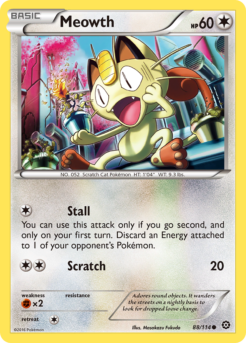
Steam Siege
Adores round objects. It wanders the streets on a nightly basis to look for dropped loose change.
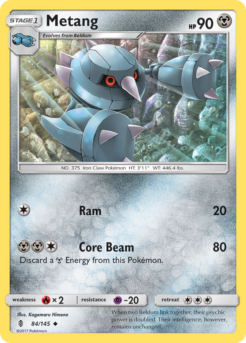
Guardians Rising
When two Beldum link together, their psychic power is doubled. Their intelligence, however, remains unchanged.
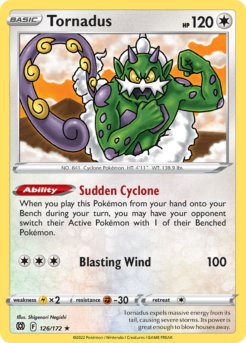
Brilliant Stars
Tornadus expels massive energy from its tail, causing severe storms. Its power is great enough to blow houses away.
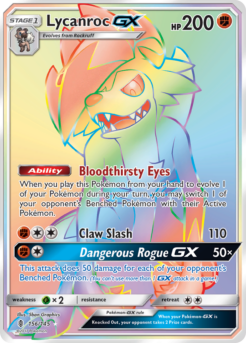
Productos relacionados
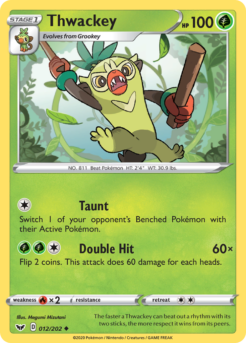
Sword & Shield
The faster a Thwackey can beat out a rhythm with its two sticks, the more respect it wins from its peers.
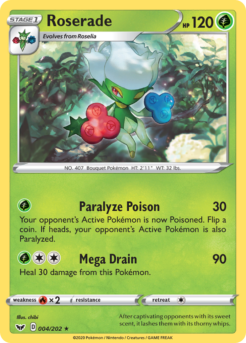
Sword & Shield
After captivating opponents with its sweet scent, it lashes them with its thorny whips.
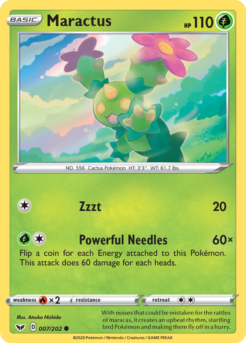
Sword & Shield
With noises that could be mistaken for the rattles of maracas, it creates an upbeat rhythm, startling bird Pokémon and making them fly off in a hurry.
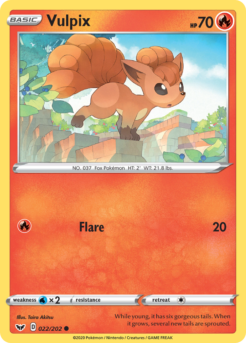
Sword & Shield
While young, it has six gorgeous tails. When it grows, several new tails are sprouted.
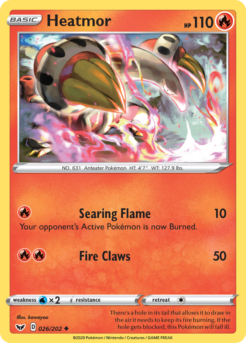
Sword & Shield
There's a hole in its tail that allows it to draw in the air it needs to keep its fire burning. If the hole gets blocked, this Pokémon will fall ill.
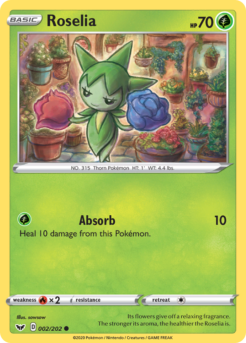
Sword & Shield
Its flowers give off a relaxing fragrance. The stronger its aroma, the healthier the Roselia is.
Sword & Shield
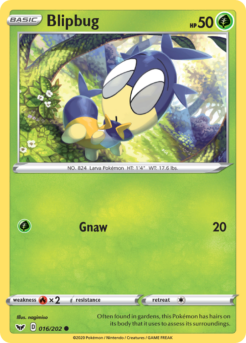
Often found in gardens, this Pokémon has hairs on its body that it uses to assess its surroundings.
Sword & Shield
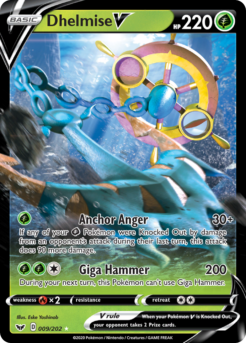
If any of your Grass Pokémon were Knocked Out by damage from an opponent’s attack during their last turn, this attack does 90 more damage.