



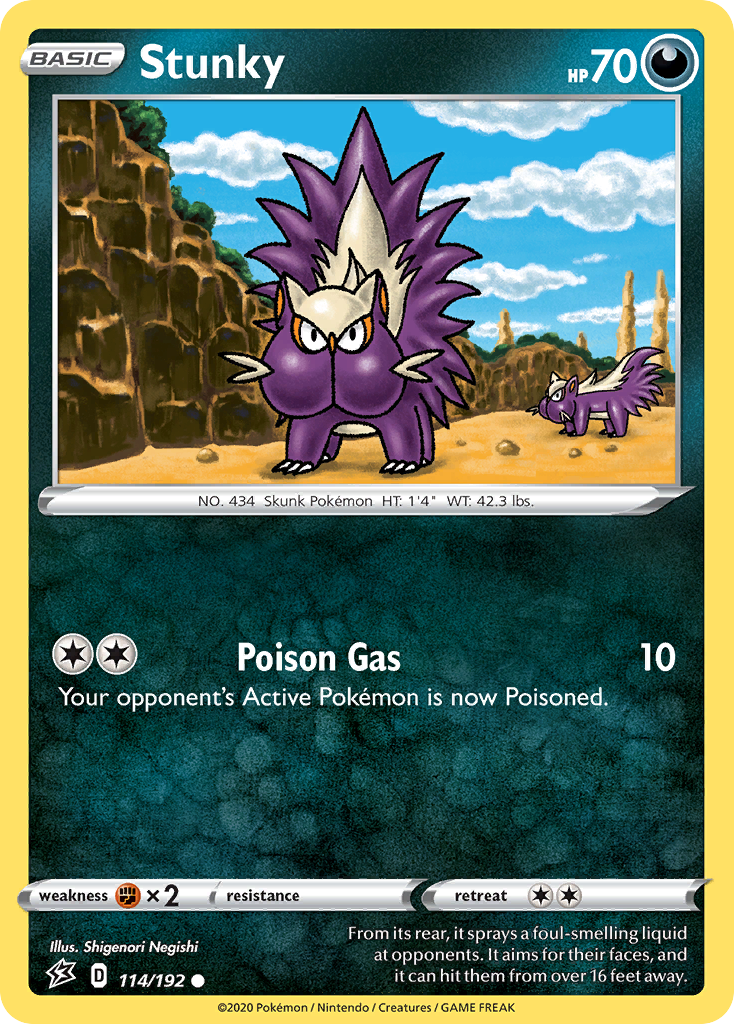
Stunky
From its rear, it sprays a foul-smelling liquid at opponents. It aims for their faces, and it can hit them from over 16 feet away.
Your opponent’s Active Pokémon is now Poisoned.
| Supertype | Pokémon |
|---|---|
| Subtype | Basic |
| HP | 70 |
| Types | Darkness |
| Attack | Poison Gas |
| Attack cost | Colorless |
| Artist | Shigenori Negishi |
| Rarity | Common |
| Pokédex | 434 |
| Evolves to | Skuntank |
Información del vendedor
- Nombre de la tienda: DutchGem
- Vendedor: DutchGem
-
Dirección:
gekkestraat
179
2345GT Utrecht
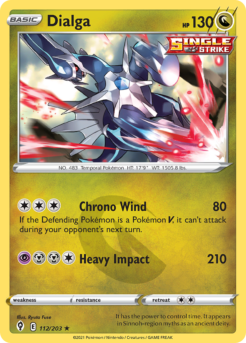
Evolving Skies
It has the power to control time. It appears in Sinnoh-region myths as an ancient deity.
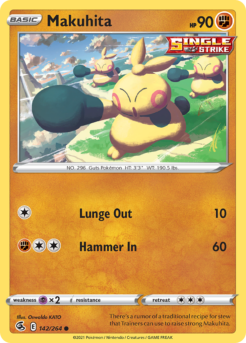
Fusion Strike
There's a rumor of a traditional recipe for stew that Trainers can use to raise strong Makuhita.
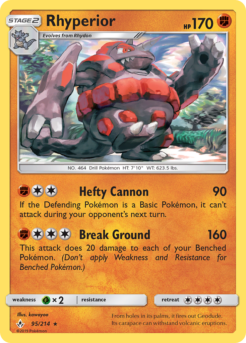
Sun & Moon
From holes in its palms, it fires out Geodude. Its carapace can withstand volcanic eruptions.
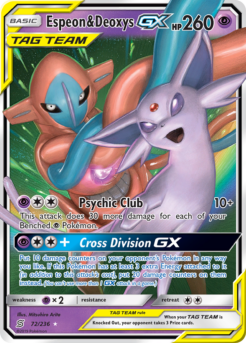
Sun & Moon
This attack does 30 more damage for each of your Benched Psychic Pokémon.
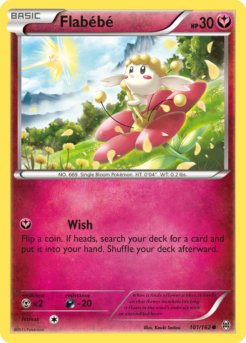
BREAKthrough
When it finds a flower it likes, it dwells on that flower its whole life long. It floats in the wind's embrace with an untroubled heart.
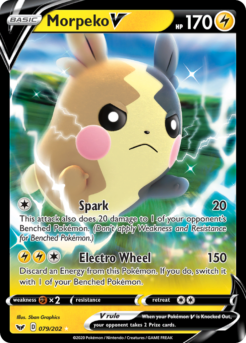
Sword & Shield
This attack also does 20 damage to 1 of your opponent’s Benched Pokémon. (Don’t apply Weakness and Resistance for Benched Pokémon.)