



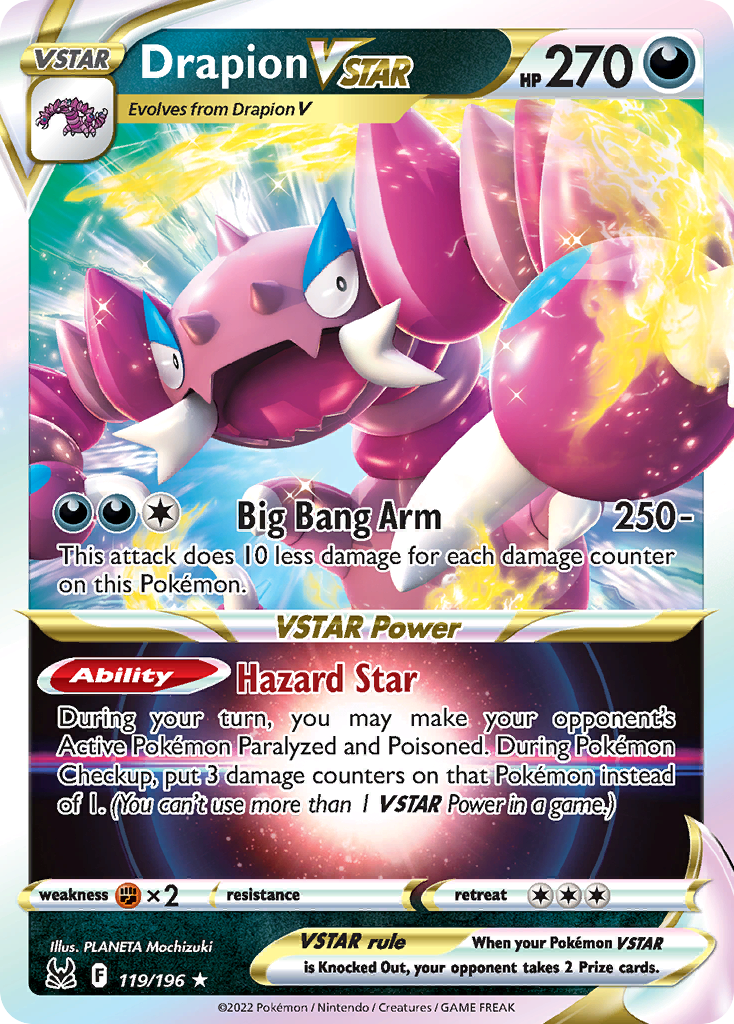
This attack does 10 less damage for each damage counter on this Pokémon.
| Supertype | Pokémon |
|---|---|
| Subtype | VSTAR |
| HP | 270 |
| Types | Darkness |
| Attack | Big Bang Arm |
| Attack cost | Darkness |
| Artist | PLANETA Mochizuki |
| Rarity | Rare Holo VSTAR |
| Pokédex | 452 |
| Evolves from | Drapion V |
Información del vendedor
- Nombre de la tienda: DutchGem
- Vendedor: DutchGem
-
Dirección:
gekkestraat
179
2345GT Utrecht
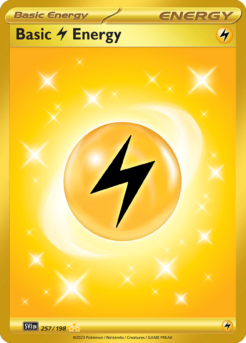
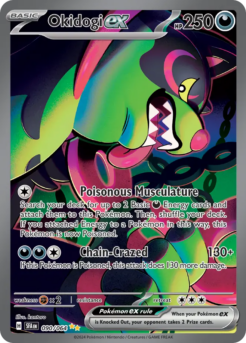
Scarlet & Violet
Search your deck for up to 2 Basic Darkness Energy cards and attach them to this Pokémon. Then, shuffle your deck. If you attached Energy to a Pokémon in this way, this Pokémon is now Poisoned.
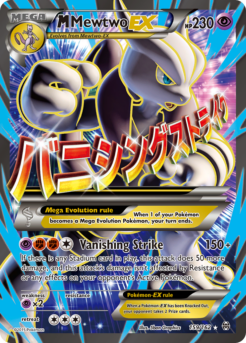
BREAKthrough
If there is any Stadium card in play, this attack does 50 more damage, and this attack’s damage isn’t affected by Resistance or any effects on your opponent’s Active Pokémon.
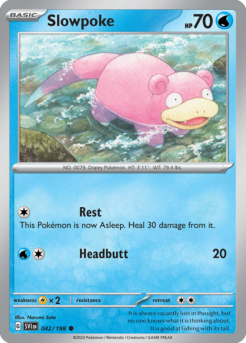
Scarlet & Violet
It is always vacantly lost in thought, but no one knows what it is thinking about. It is good at fishing with its tail.
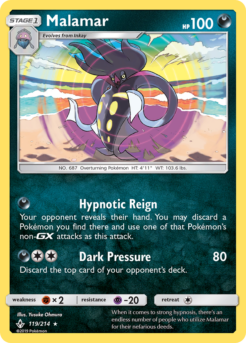
Sun & Moon
When it comes to strong hypnosis, there's an endless number of people who utilize Malamar for their nefarious deeds.
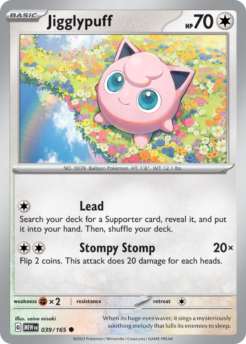
151
When its huge eyes waver, it sings a mysteriously soothing melody that lulls its enemies to sleep.