



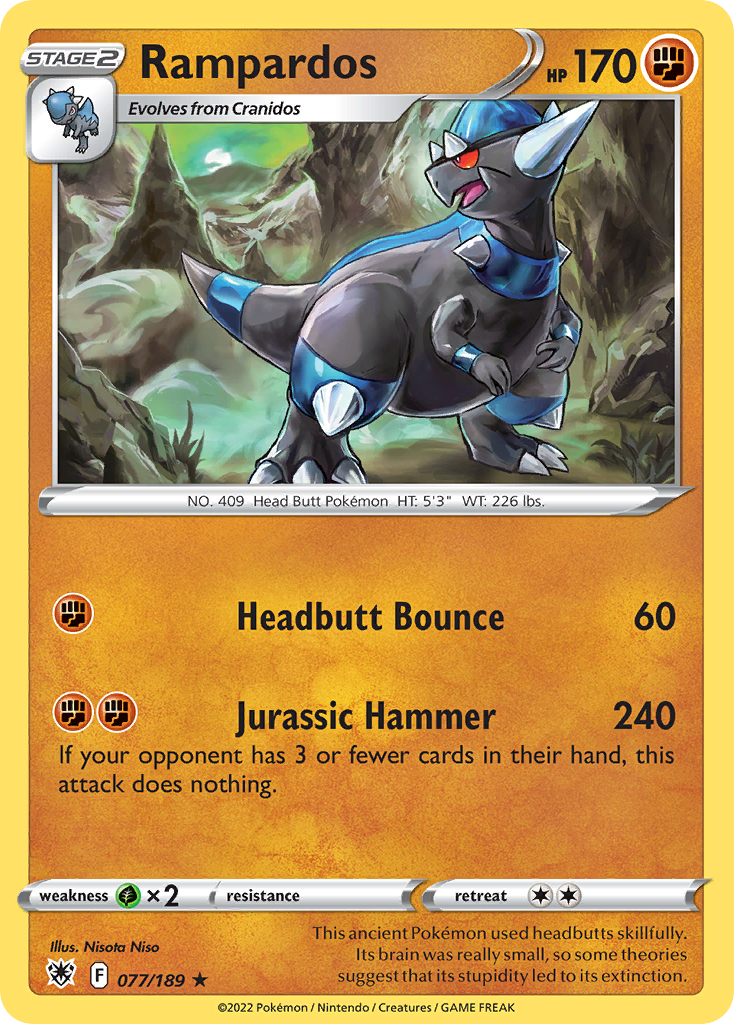
Rampardos
This ancient Pokémon used headbutts skillfully. Its brain was really small, so some theories suggest that its stupidity led to its extinction.
| Supertype | Pokémon |
|---|---|
| Subtype | Stage 2 |
| HP | 170 |
| Types | Fighting |
| Attack | Headbutt Bounce |
| Attack cost | Fighting |
| Artist | Nisota Niso |
| Rarity | Rare Holo |
| Pokédex | 409 |
| Evolves from | Cranidos |
Información del vendedor
- Nombre de la tienda: DutchGem
- Vendedor: DutchGem
-
Dirección:
gekkestraat
179
2345GT Utrecht
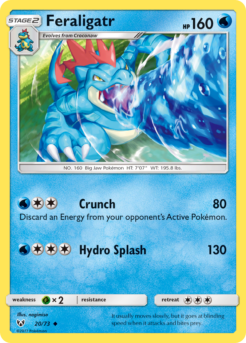
Shining Legends
It usually moves slowly, but it goes at blinding speed when it attacks and bites prey.
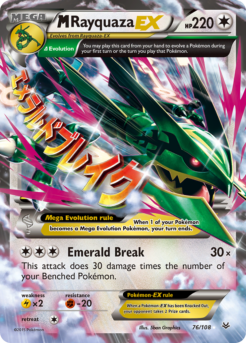
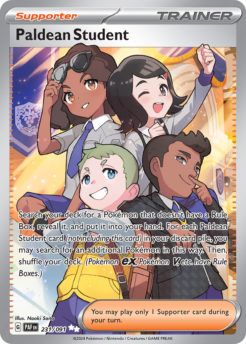
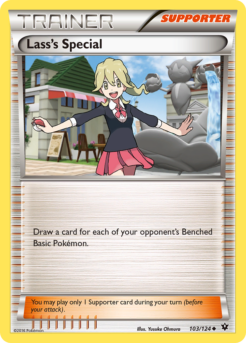

Scarlet & Violet
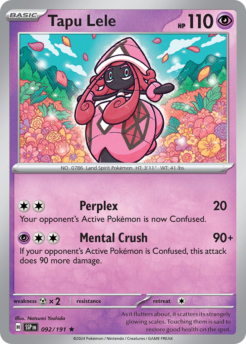
You may move an Energy from your opponent’s Active Pokémon to 1 of their Benched Pokémon.
Productos relacionados
Sword & Shield
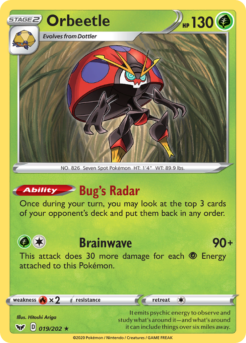
It emits psychic energy to observe and study what's around it—and what's around it can include things over six miles away.
Sword & Shield
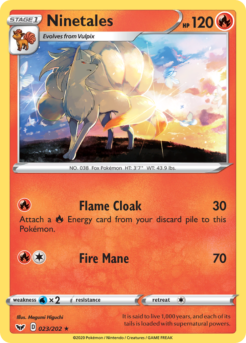
It is said to live 1,000 years, and each of its tails is loaded with supernatural powers.
Sword & Shield
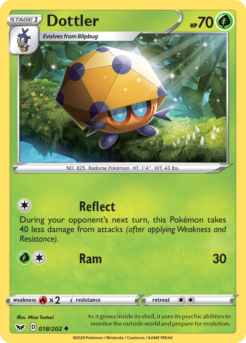
As it grows inside its shell, it uses its psychic abilities to monitor the outside world and prepare for evolution.
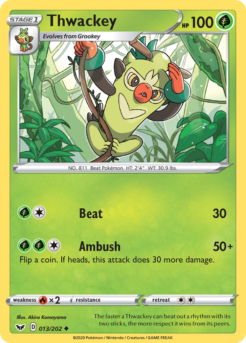
Sword & Shield
The faster a Thwackey can beat out a rhythm with its two sticks, the more respect it wins from its peers.
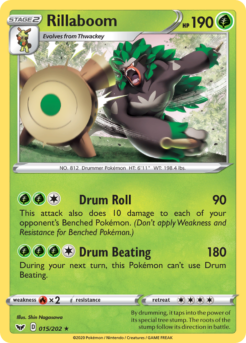
Sword & Shield
By drumming, it taps into the power of its special tree stump. The roots of the stump follow its direction in battle.
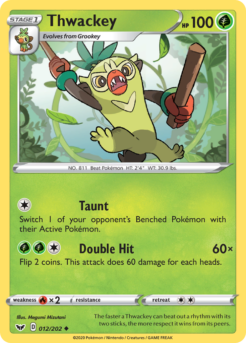
Sword & Shield
The faster a Thwackey can beat out a rhythm with its two sticks, the more respect it wins from its peers.
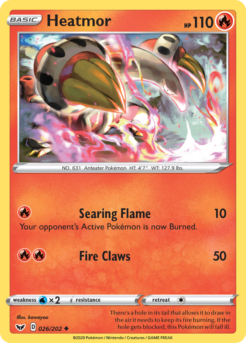
Sword & Shield
There's a hole in its tail that allows it to draw in the air it needs to keep its fire burning. If the hole gets blocked, this Pokémon will fall ill.
Sword & Shield
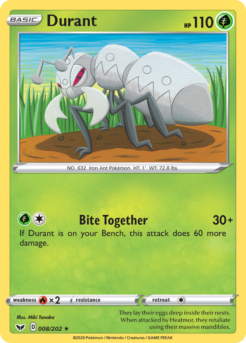
They lay their eggs deep inside their nests. When attacked by Heatmor, they retaliate using their massive mandibles.