



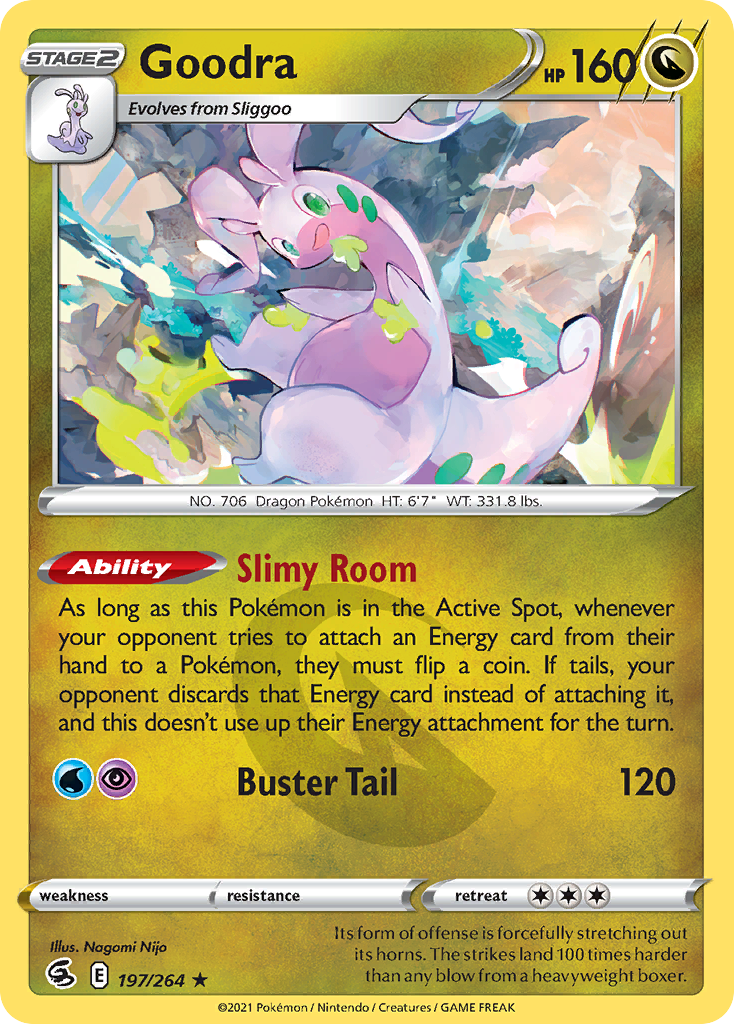
Goodra
Its form of offense is forcefully stretching out its horns. The strikes land 100 times harder than any blow from a heavyweight boxer.
| Supertype | Pokémon |
|---|---|
| Subtype | Stage 2 |
| HP | 160 |
| Types | Dragon |
| Attack | Buster Tail |
| Attack cost | Water |
| Artist | Nagomi Nijo |
| Rarity | Rare |
| Pokédex | 706 |
| Evolves from | Sliggoo |
Información del vendedor
- Nombre de la tienda: DutchGem
- Vendedor: DutchGem
-
Dirección:
gekkestraat
179
2345GT Utrecht
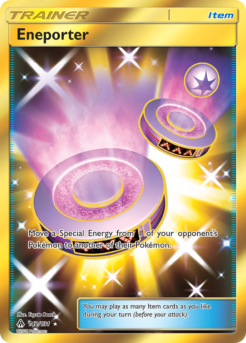
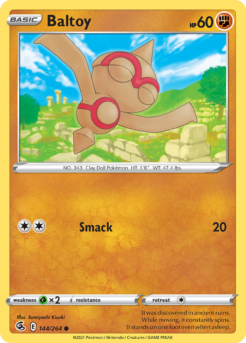
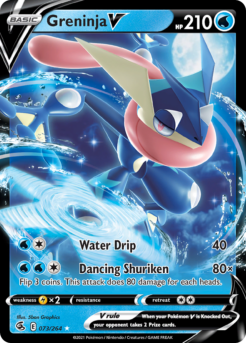
Fusion Strike
It was discovered in ancient ruins. While moving, it constantly spins. It stands on one foot even when asleep.
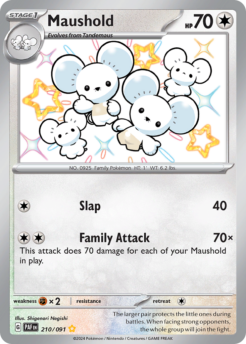
Paldean Fates
The larger pair protects the little ones during battles. When facing strong opponents, the whole group will join the fight.
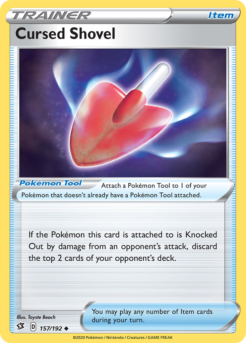
Celestial Storm
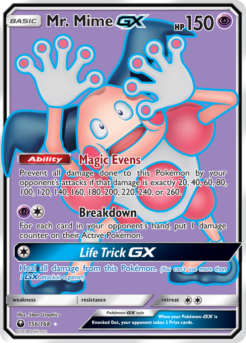
For each card in your opponent’s hand, put 1 damage counter on their Active Pokémon.
Productos relacionados
Sword & Shield
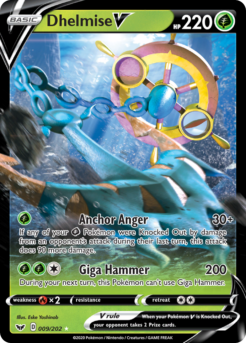
If any of your Grass Pokémon were Knocked Out by damage from an opponent’s attack during their last turn, this attack does 90 more damage.
Sword & Shield
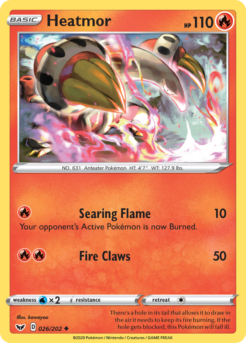
There's a hole in its tail that allows it to draw in the air it needs to keep its fire burning. If the hole gets blocked, this Pokémon will fall ill.
Sword & Shield
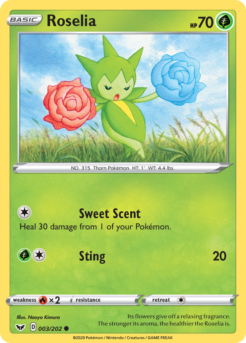
Its flowers give off a relaxing fragrance. The stronger its aroma, the healthier the Roselia is.
Sword & Shield
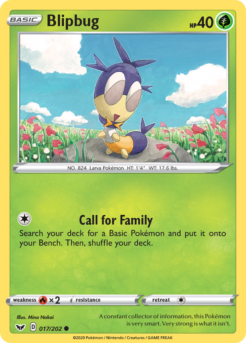
A constant collector of information, this Pokémon is very smart. Very strong is what it isn't.
Sword & Shield
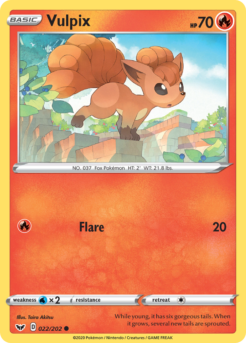
While young, it has six gorgeous tails. When it grows, several new tails are sprouted.
Sword & Shield
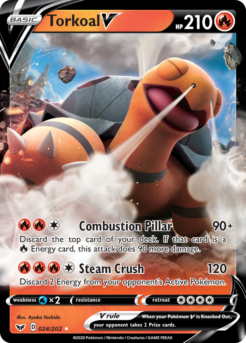
Discard the top card of your deck. If that card is a Fire Energy card, this attack does 90 more damage.
Sword & Shield
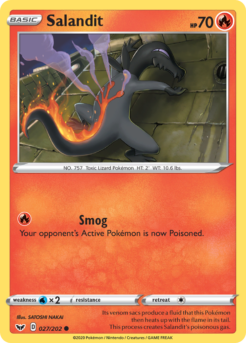
Its venom sacs produce a fluid that this Pokémon then heats up with the flame in its tail. This process creates Salandit's poisonous gas.
Sword & Shield
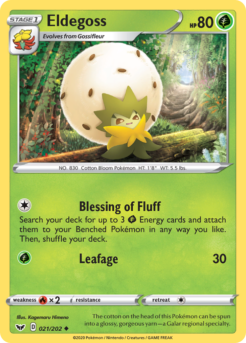
The cotton on the head of this Pokémon can be spun into a glossy, gorgeous yarn—a Galar regional specialty.