



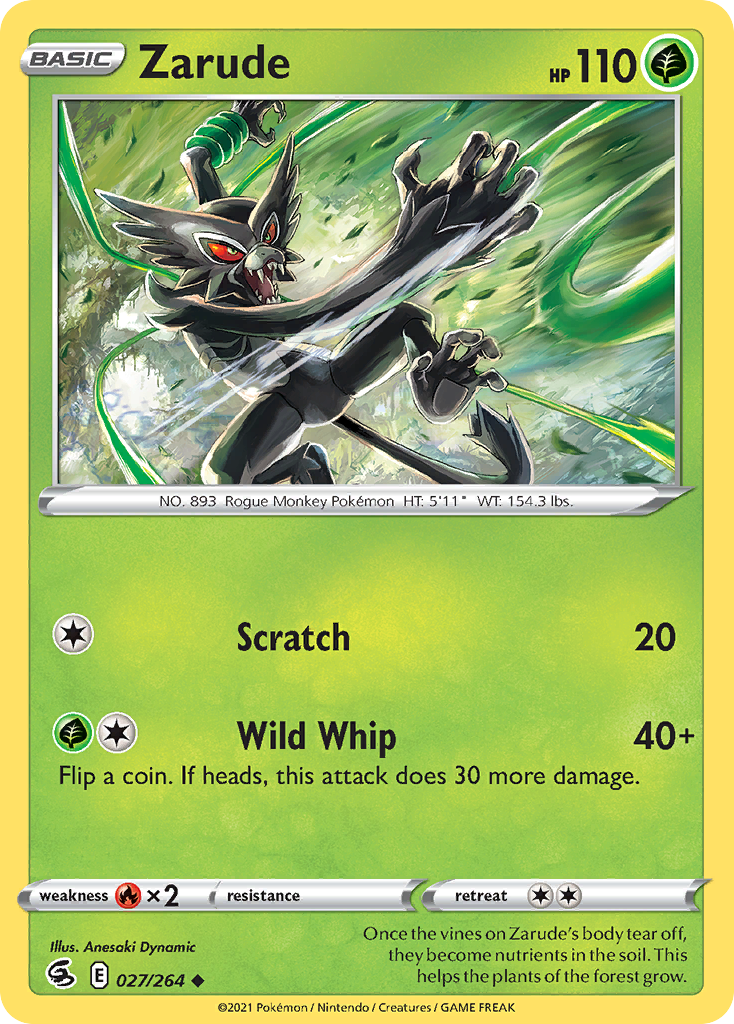
Zarude
Once the vines on Zarude’s body tear off, they become nutrients in the soil. This helps the plants of the forest grow.
| Supertype | Pokémon |
|---|---|
| Subtype | Basic |
| HP | 110 |
| Types | Grass |
| Attack | Scratch |
| Attack cost | Colorless |
| Artist | Anesaki Dynamic |
| Rarity | Uncommon |
| Pokédex | 893 |
Información del vendedor
- Nombre de la tienda: DutchGem
- Vendedor: DutchGem
-
Dirección:
gekkestraat
179
2345GT Utrecht
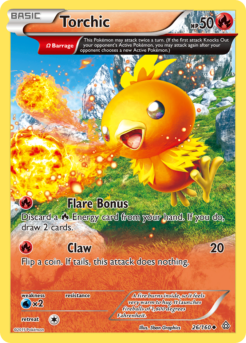
Primal Clash
A fire burns inside, so it feels very warm to hug. It launches fireballs of 1,800 degrees Fahrenheit.
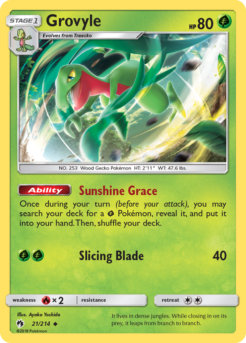
Lost Thunder
It lives in dense jungles. While closing in on its prey, it leaps from branch to branch.
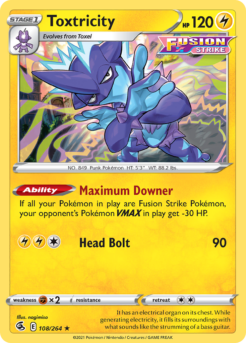
Fusion Strike
It has an electrical organ on its chest. While generating electricity, it fills its surroundings with sounds like the strumming of a bass guitar.
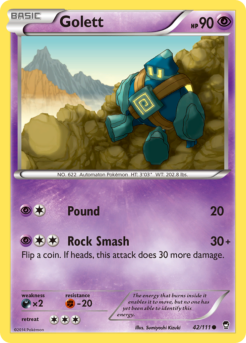
Furious Fists
The energy that burns inside it enables it to move, but no one has yet been able to identify this energy.
Paldea Evolved
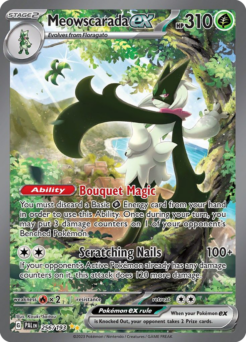
If your opponent’s Active Pokémon already has any damage counters on it, this attack does 120 more damage.
Productos relacionados
Sword & Shield
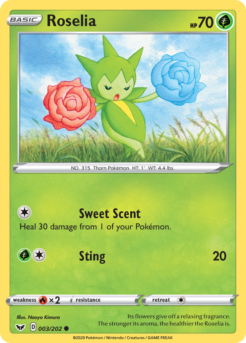
Its flowers give off a relaxing fragrance. The stronger its aroma, the healthier the Roselia is.
Sword & Shield
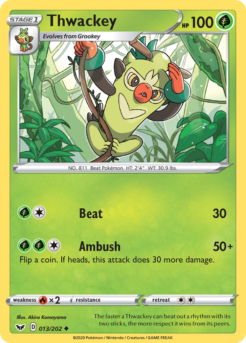
The faster a Thwackey can beat out a rhythm with its two sticks, the more respect it wins from its peers.
Sword & Shield
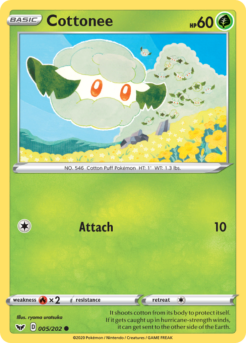
It shoots cotton from its body to protect itself. If it gets caught up in hurricane-strength winds, it can get sent to the other side of the Earth.
Sword & Shield
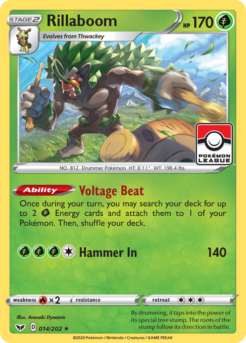
By drumming, it taps into the power of its special tree stump. The roots of the stump follow its direction in battle.
Sword & Shield
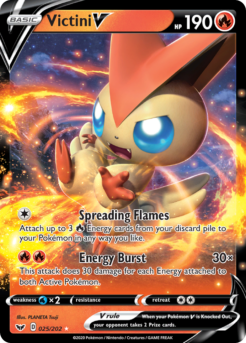
Attach up to 3 Fire Energy cards from your discard pile to your Pokémon in any way you like.
Sword & Shield
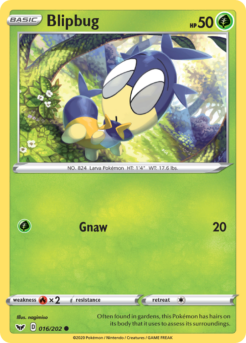
Often found in gardens, this Pokémon has hairs on its body that it uses to assess its surroundings.
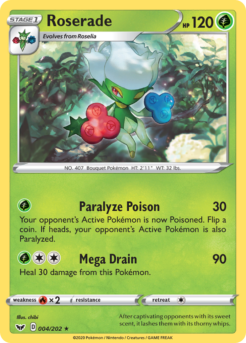
Sword & Shield
After captivating opponents with its sweet scent, it lashes them with its thorny whips.
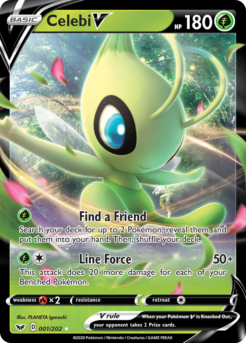
Sword & Shield
Search your deck for up to 2 Pokémon, reveal them, and put them into your hand. Then, shuffle your deck.