



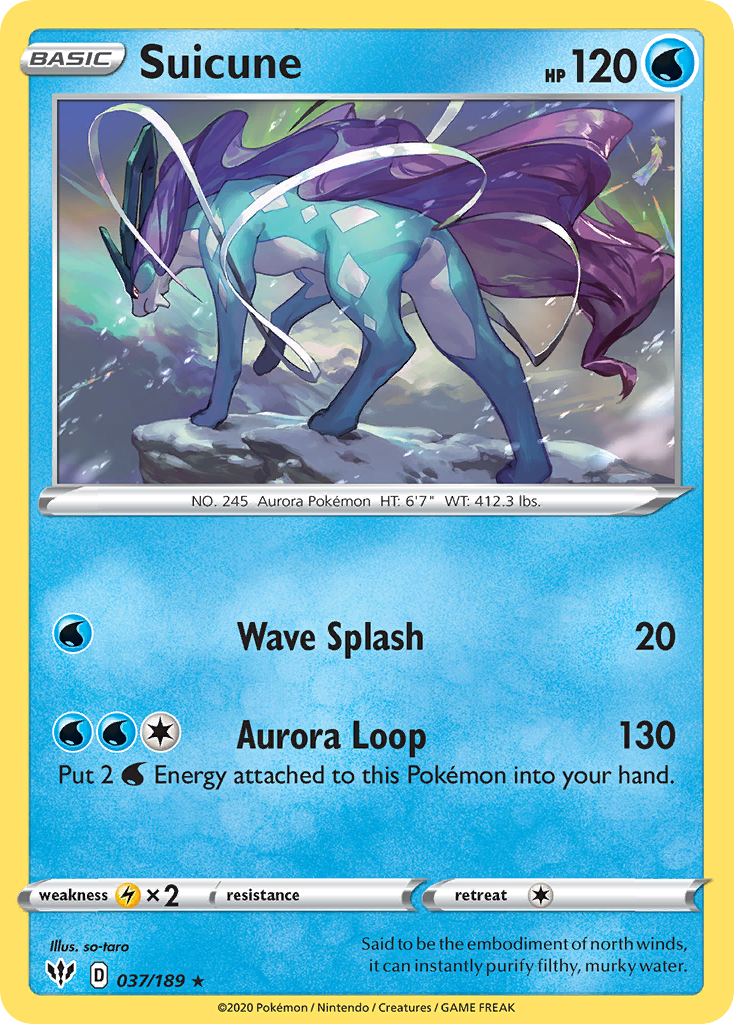
Suicune
Said to be the embodiment of north winds, it can instantly purify filthy, murky water.
| Supertype | Pokémon |
|---|---|
| Subtype | Basic |
| HP | 120 |
| Types | Water |
| Attack | Wave Splash |
| Attack cost | Water |
| Artist | so-taro |
| Rarity | Rare Holo |
| Pokédex | 245 |
Información del vendedor
- Nombre de la tienda: DutchGem
- Vendedor: DutchGem
-
Dirección:
gekkestraat
179
2345GT Utrecht
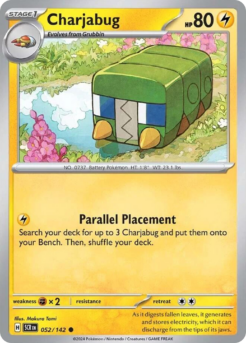
Scarlet & Violet
Search your deck for up to 3 Charjabug and put them onto your Bench. Then, shuffle your deck.
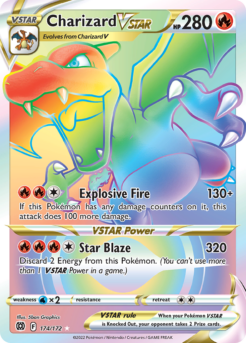
Brilliant Stars
If this Pokémon has any damage counters on it, this attack does 100 more damage.
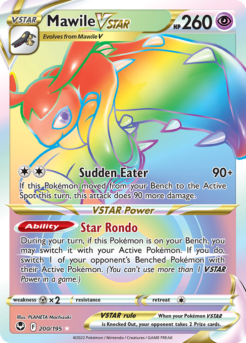
Silver Tempest
If this Pokémon moved from your Bench to the Active Spot this turn, this attack does 90 more damage.
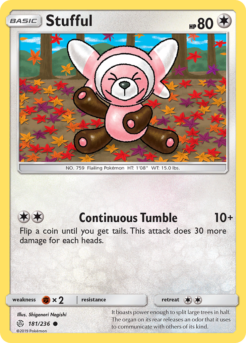
Cosmic Eclipse
It boasts power enough to split large trees in half. The organ on its rear releases an odor that it uses to communicate with others of its kind.
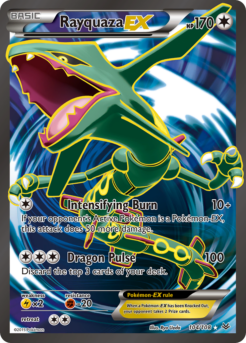
Roaring Skies
If your opponent’s Active Pokémon is a Pokémon-EX, this attack does 50 more damage.
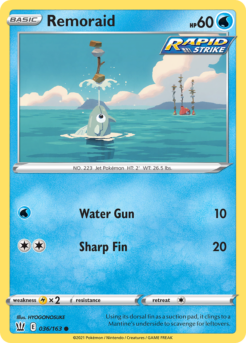
Battle Styles
Using its dorsal fin as a suction pad, it clings to a Mantine's underside to scavenge for leftovers.