



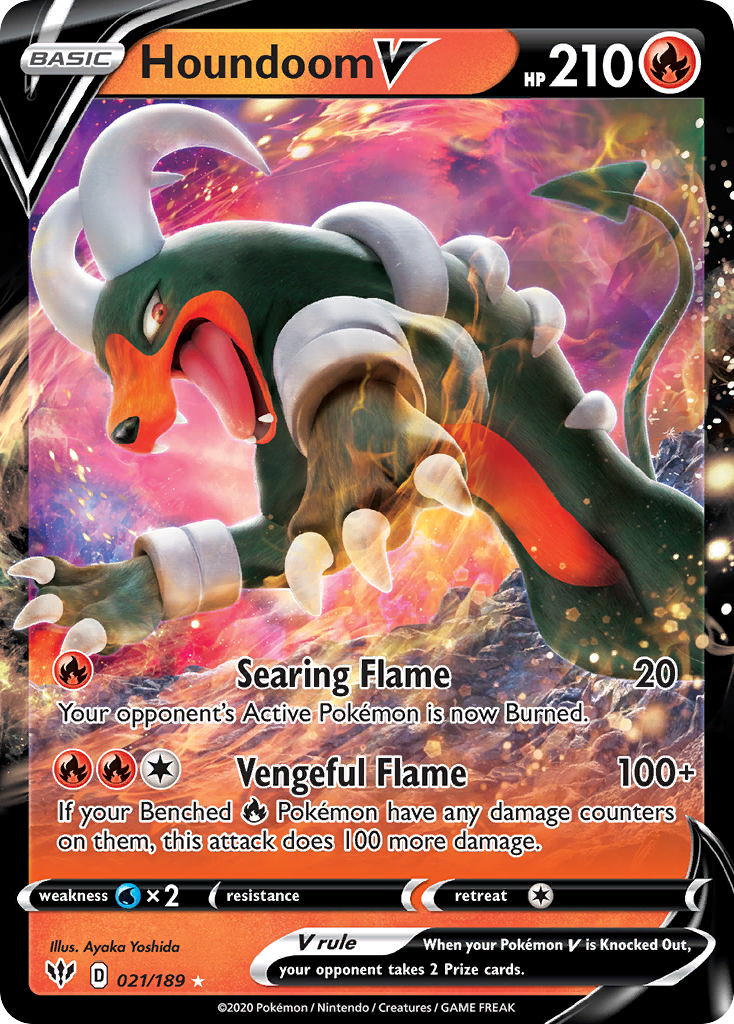

Your opponent’s Active Pokémon is now Burned.
| Supertype | Pokémon |
|---|---|
| Subtype | Basic |
| HP | 210 |
| Types | Fire |
| Attack | Searing Flame |
| Attack cost | Fire |
| Artist | Ayaka Yoshida |
| Rarity | Rare Holo V |
| Pokédex | 229 |
Información del vendedor
- Nombre de la tienda: DutchGem
- Vendedor: DutchGem
-
Dirección:
gekkestraat
179
2345GT Utrecht
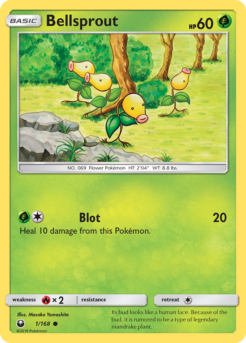
Celestial Storm
Its bud looks like a human face. Because of the bud, it is rumored to be a type of legendary mandrake plant.
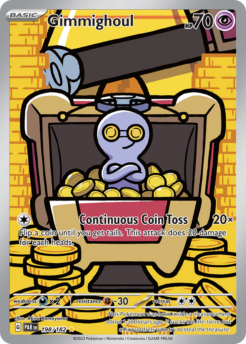
Paradox Rift
This Pokémon was born inside a treasure chest about 1,500 years ago. It sucks the life-force out of scoundrels who try to steal the treasure.
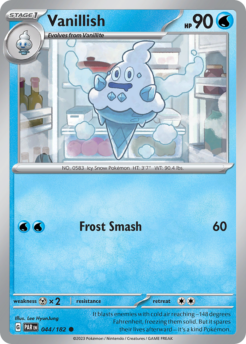
Paradox Rift
It blasts enemies with cold air reaching −148 degrees Fahrenheit, freezing them solid. But it spares their lives afterward—it's a kind Pokémon.
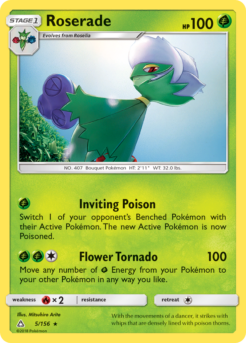
Sun & Moon
With the movements of a dancer, it strikes with whips that are densely lined with poison thorns.
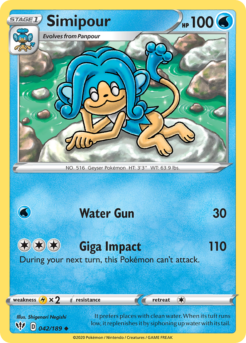
Darkness Ablaze
It prefers places with clean water. When its tuft runs low, it replenishes it by siphoning up water with its tail.
Productos relacionados
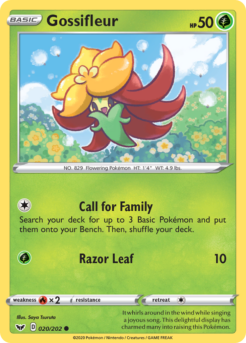
Sword & Shield
It whirls around in the wind while singing a joyous song. This delightful display has charmed many into raising this Pokémon.
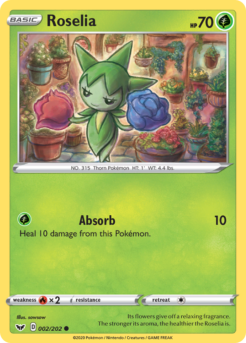
Sword & Shield
Its flowers give off a relaxing fragrance. The stronger its aroma, the healthier the Roselia is.
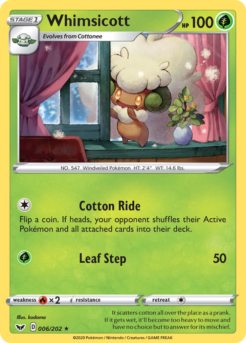
Sword & Shield
It scatters cotton all over the place as a prank. If it gets wet, it'll become too heavy to move and have no choice but to answer for its mischief.
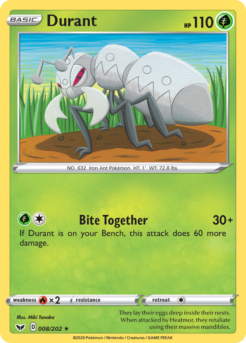
Sword & Shield
They lay their eggs deep inside their nests. When attacked by Heatmor, they retaliate using their massive mandibles.
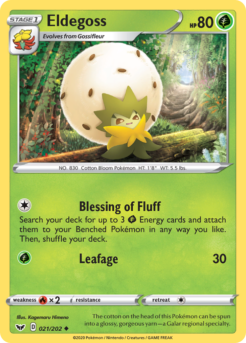
Sword & Shield
The cotton on the head of this Pokémon can be spun into a glossy, gorgeous yarn—a Galar regional specialty.
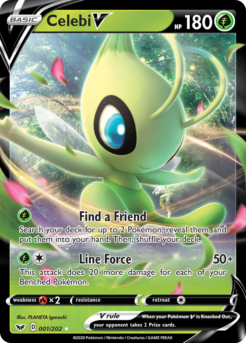
Sword & Shield
Search your deck for up to 2 Pokémon, reveal them, and put them into your hand. Then, shuffle your deck.
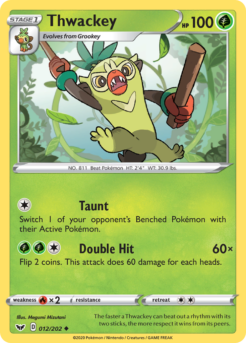
Sword & Shield
The faster a Thwackey can beat out a rhythm with its two sticks, the more respect it wins from its peers.
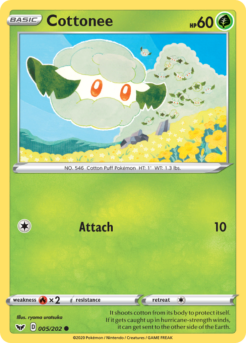
Sword & Shield
It shoots cotton from its body to protect itself. If it gets caught up in hurricane-strength winds, it can get sent to the other side of the Earth.