



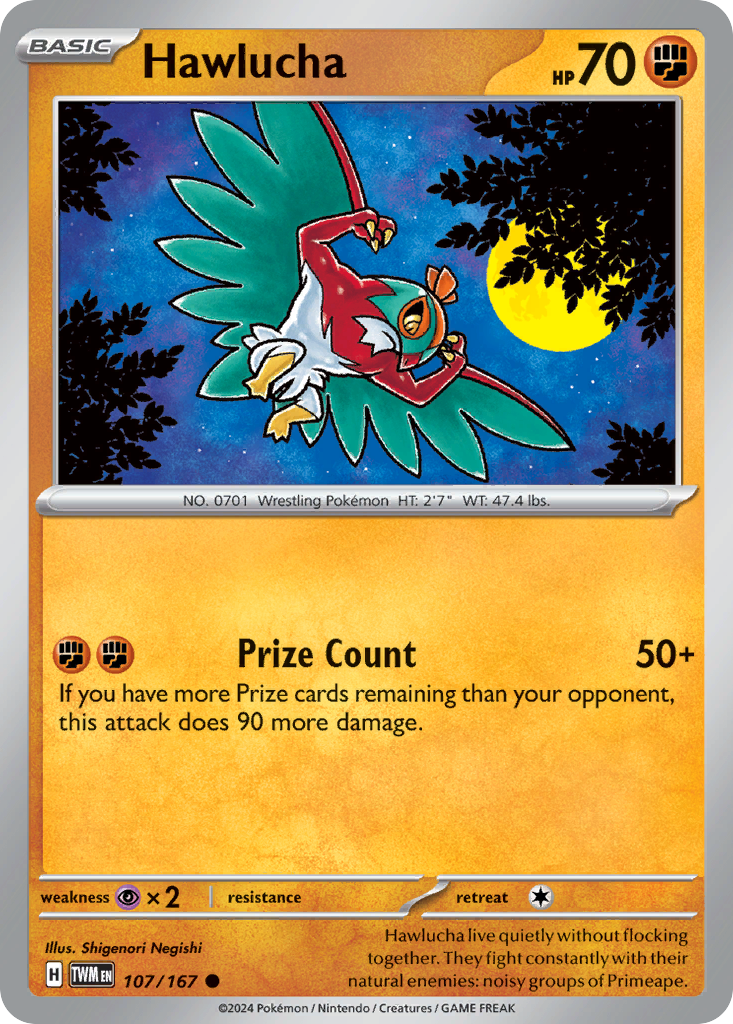
Hawlucha
Hawlucha live quietly without flocking together. They fight constantly with their natural enemies: noisy groups of Primeape.
If you have more Prize cards remaining than your opponent, this attack does 90 more damage.
| Supertype | Pokémon |
|---|---|
| Subtype | Basic |
| HP | 70 |
| Types | Fighting |
| Attack | Prize Count |
| Attack cost | Fighting |
| Artist | Shigenori Negishi |
| Rarity | Common |
| Pokédex | 701 |
Información del vendedor
- Nombre de la tienda: DutchGem
- Vendedor: DutchGem
-
Dirección:
gekkestraat
179
2345GT Utrecht
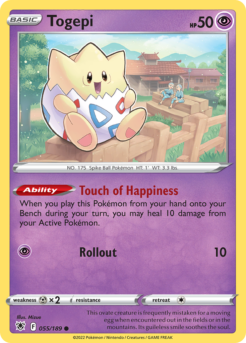
Astral Radiance
This ovate creature is frequently mistaken for a moving egg when encountered out in the fields or in the mountains. Its guileless smile soothes the soul.
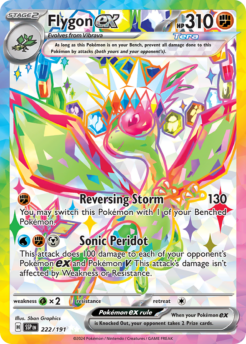
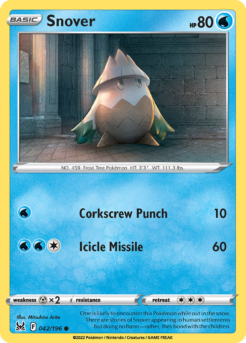
Lost Origin
One is likely to encounter this Pokémon while out in the snow. There are stories of Snover appearing in human settlements but doing no harm—rather, they bond with the children.
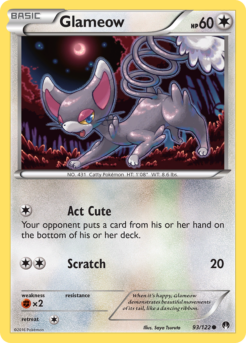
BREAKpoint
When it's happy, Glameow demonstrates beautiful movements of its tail, like a dancing ribbon.
Forbidden Light
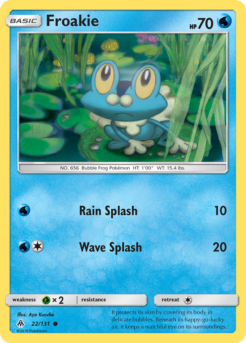
It protects its skin by covering its body in delicate bubbles. Beneath its happy-go-lucky air, it keeps a watchful eye on its surroundings.

Obsidian Flames
This attack does 30 more damage for each Prize card your opponent has taken.
Productos relacionados
Scarlet & Violet
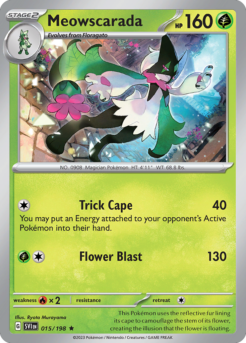
This Pokémon uses the reflective fur lining its cape to camouflage the stem of its flower, creating the illusion that the flower is floating.
Scarlet & Violet
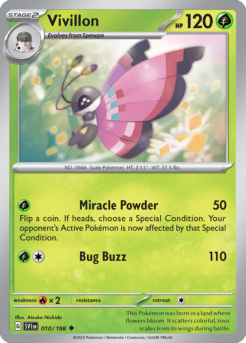
This Pokémon was born in a land where flowers bloom. It scatters colorful, toxic scales from its wings during battle.
Scarlet & Violet
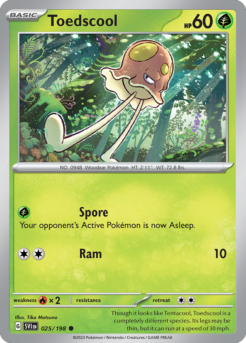
Though it looks like Tentacool, Toedscool is a completely different species. Its legs may be thin, but it can run at a speed of 30 mph.
Scarlet & Violet
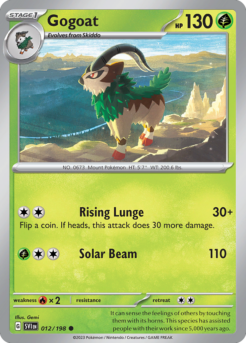
It can sense the feelings of others by touching them with its horns. This species has assisted people with their work since 5,000 years ago.
Scarlet & Violet
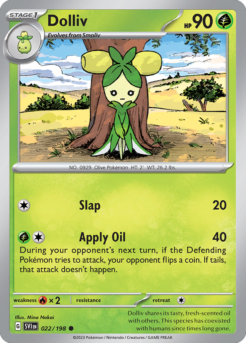
Dolliv shares its tasty, fresh-scented oil with others. This species has coexisted with humans since times long gone.
Scarlet & Violet
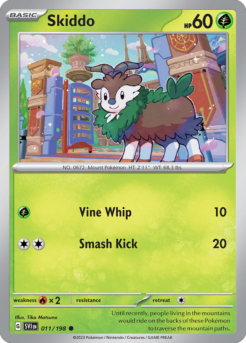
Until recently, people living in the mountains would ride on the back of these Pokémon to traverse the mountain paths.
Scarlet & Violet
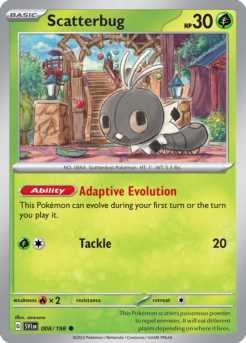
This Pokémon scatters poisonous powder to repel enemies. It will eat different plants depending on where it lives.
Scarlet & Violet
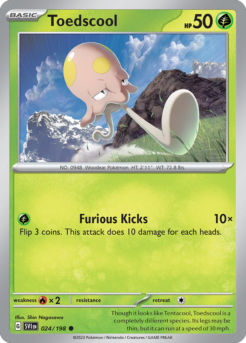
Though it looks like Tentacool, Toedscool is a completely different species. Its legs may be thin, but it can run at a speed of 30 mph.