



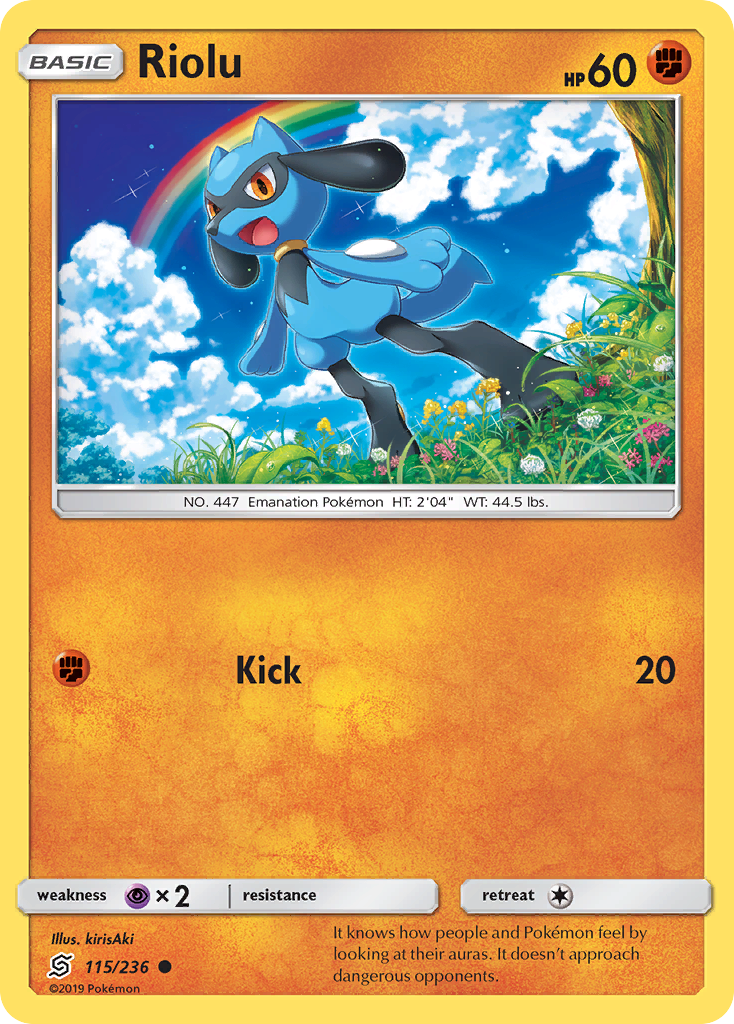
Riolu
It knows how people and Pokémon feel by looking at their auras. It doesn’t approach dangerous opponents.
| Supertype | Pokémon |
|---|---|
| Subtype | Basic |
| HP | 60 |
| Types | Fighting |
| Attack | Kick |
| Attack cost | Fighting |
| Artist | kirisAki |
| Rarity | Common |
| Pokédex | 447 |
| Evolves to | Lucario |
Información del vendedor
- Nombre de la tienda: DutchGem
- Vendedor: DutchGem
-
Dirección:
gekkestraat
179
2345GT Utrecht
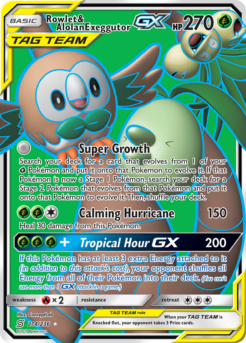
Sun & Moon
Search your deck for a card that evolves from 1 of your Grass Pokémon and put it onto that Pokémon to evolve it. If that Pokémon is now a Stage 1 Pokémon, search your deck for a Stage 2 Pokémon that evolves from that Pokémon and put it onto that Pokémon to evolve it. Then, [...]
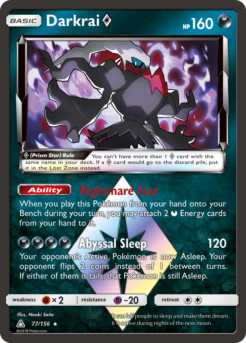
Sun & Moon
It can lull people to sleep and make them dream. It is active during nights of the new moon.
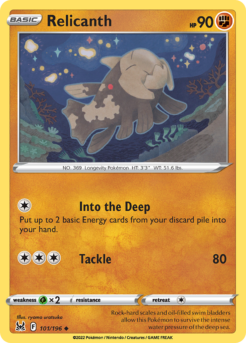
Lost Origin
Rock-hard scales and oil-filled swim bladders allow this Pokémon to survive the intense water pressure of the deep sea.
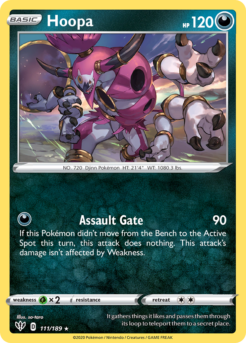
Darkness Ablaze
It gathers things it likes and passes them through its loop to teleport them to a secret place.
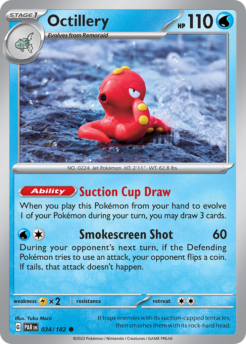
Paradox Rift
It traps enemies with its suction-cupped tentacles, then smashes them with its rock-hard head.
Productos relacionados
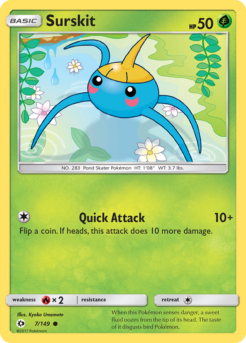
Sun & Moon
When this Pokémon senses danger, a sweet fluid oozes from the tip of its heads. The taste of it disgusts bird Pokémon.
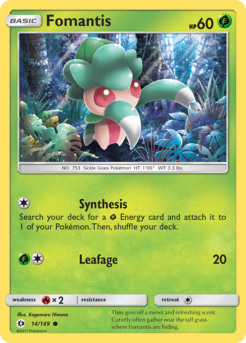
Sun & Moon
They give off a sweet and refreshing scent. Cutiefly often gather near the tall grass where Fomantis are hiding.
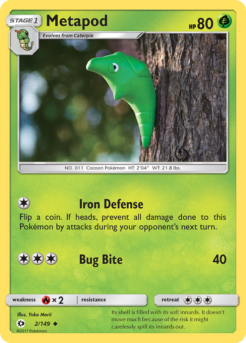
Sun & Moon
Its shell is filled with its soft innards. It doesn't move much because of the risk it might carelessly spill its innards out.
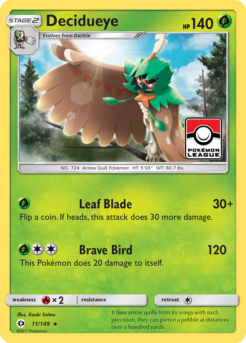
Sun & Moon
It fires arrow quills from its wings with such precision, they can pierce a pebble at distances over a hundred yards.
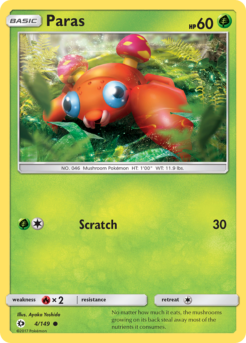
Sun & Moon
No matter how much it eats, the mushrooms growing on its back steal away most of the nutrients it consumes.
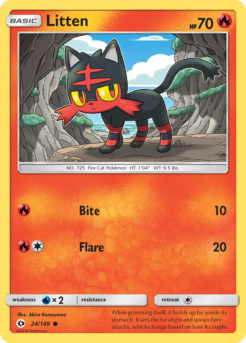
Sun & Moon
While grooming itself, it builds up fur inside its stomach. It sets the fur alight and spews fiery attacks, which change based on how it coughs.
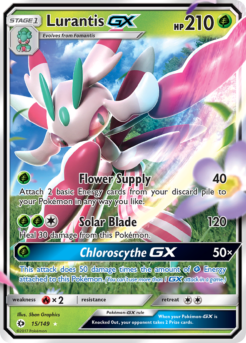
Sun & Moon
Attach 2 basic Energy cards from your discard pile to your Pokémon in any way you like.
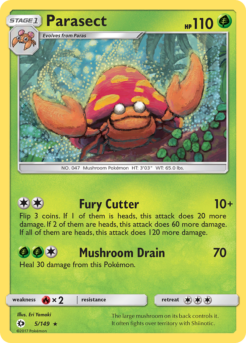
Sun & Moon
The large mushroom on its back controls it. It often fights over territory with Shiinotic.