



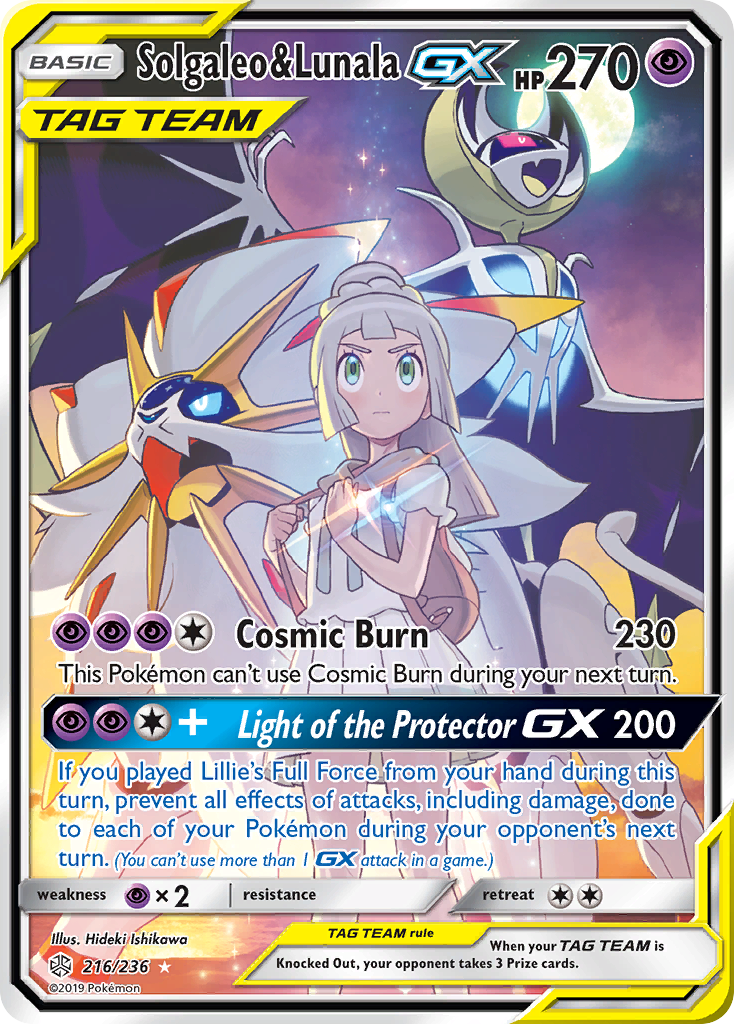


This Pokémon can’t use Cosmic Burn during your next turn.
| Supertype | Pokémon |
|---|---|
| Subtype | Basic |
| HP | 270 |
| Types | Psychic |
| Attack | Cosmic Burn |
| Attack cost | Psychic |
| Artist | Hideki Ishikawa |
| Rarity | Rare Ultra |
| Pokédex | 791 |
Vendor Information
- Store Name: DutchGem
- Vendor: DutchGem
-
Address:
gekkestraat
179
2345GT Utrecht
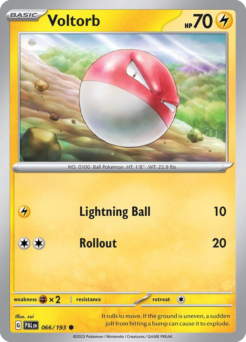
Paldea Evolved
It rolls to move. If the ground is uneven, a sudden jolt from hitting a bump can cause it to explode.
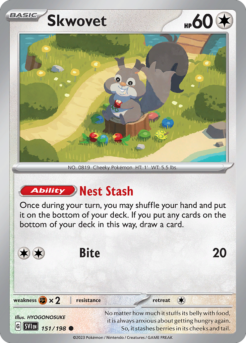
Scarlet & Violet
No matter how much it stuffs its belly with food, it is always anxious about getting hungry again. So, it stashes berries in its cheeks and tail.
Guardians Rising
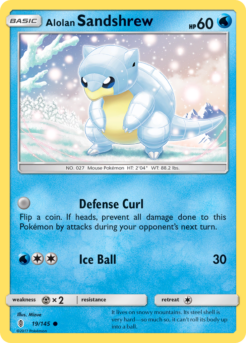
It lives on snowy mountains. Its steel shell is very hard—so much so, it can't roll its body up into a ball.
XY
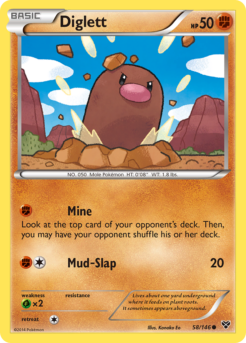
Lives about one yard underground where it feeds on plant roots. It sometimes appears aboveground.

Sun & Moon
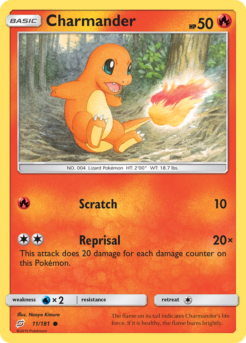
The flame on its tail indicates Charmander's life force. If it is healthy, the flame burns brightly.
Ähnliche Produkte
Sun & Moon
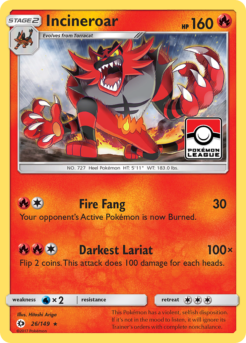
This Pokémon has a violent, selfish disposition. If it's not in the mood to listen, it will ignore its Trainer's orders with complete nonchalance.
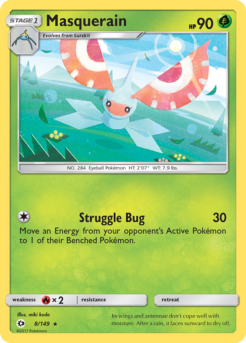
Sun & Moon
Its wings and antennae don't cope well with moisture. After a rain, it faces sunward to dry off.
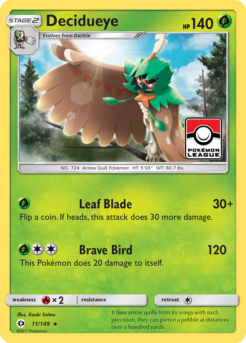
Sun & Moon
It fires arrow quills from its wings with such precision, they can pierce a pebble at distances over a hundred yards.
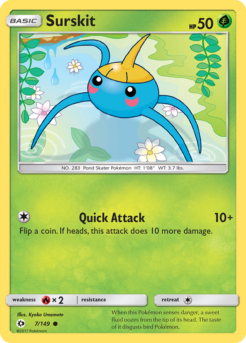
Sun & Moon
When this Pokémon senses danger, a sweet fluid oozes from the tip of its heads. The taste of it disgusts bird Pokémon.
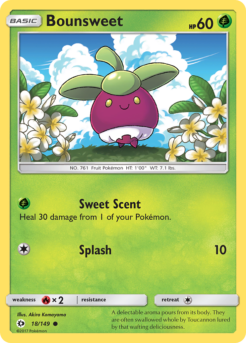
Sun & Moon
A delectable aroma pours from its body. They are often swallowed whole by Toucannon lured by that wafting deliciousness.
Sun & Moon
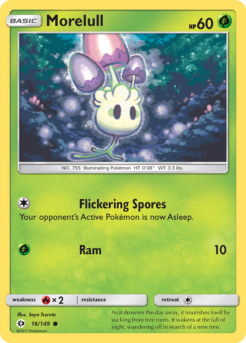
As it drowses the day away, it nourishes itself by sucking from tree roots. It wakens at the fall of night, wandering off in search of a new tree.
Sun & Moon
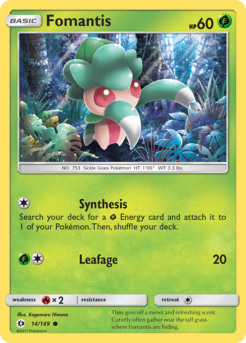
They give off a sweet and refreshing scent. Cutiefly often gather near the tall grass where Fomantis are hiding.
Sun & Moon
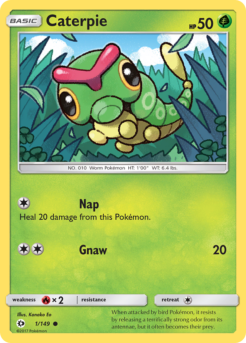
When attacked by bird Pokémon, it resists by releasing a terrifically strong odor from its antennae, but it often becomes their prey.