
| Supertype | Pokémon |
|---|---|
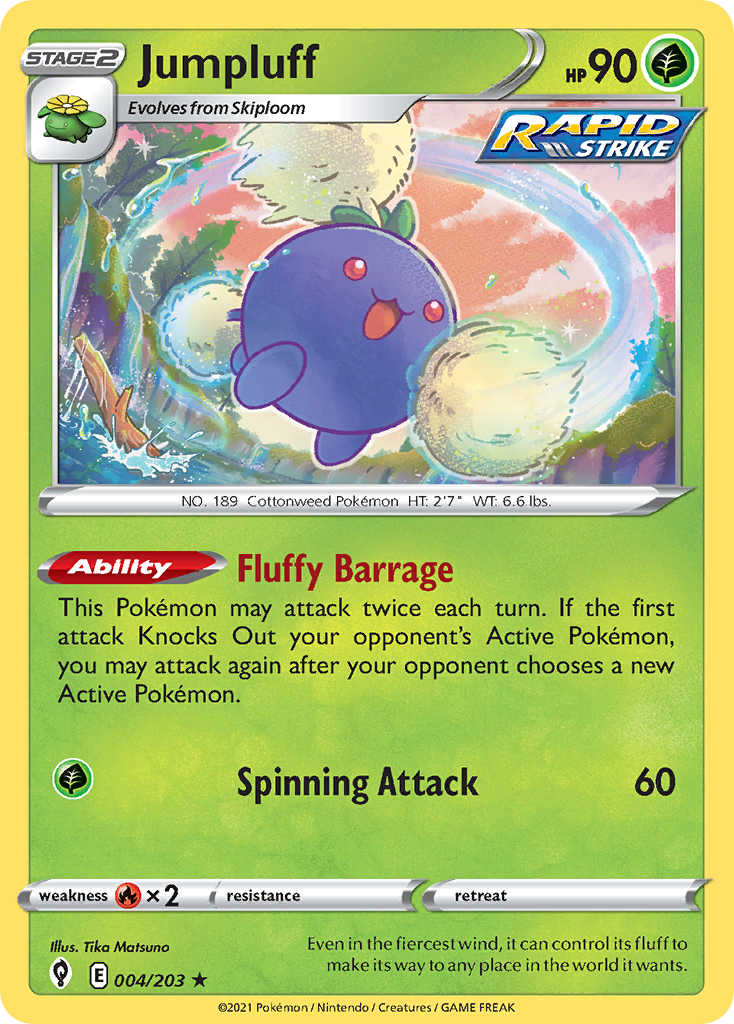
| Subtype | Stage 2 |
| HP | 90 |
| Types | Grass |
| Attack | Spinning Attack |
| Attack cost | Grass |
| Artist | Tika Matsuno |
| Rarity | Rare Holo |
| Pokédex | 189 |
| Evolves from | Skiploom |
Jumpluff
Even in the fiercest wind, it can control its fluff to make its way to any place in the world it wants.
Vendor Information
- Store Name: DutchGem
- Vendor: DutchGem
-
Address:
gekkestraat
179
2345GT Utrecht
151
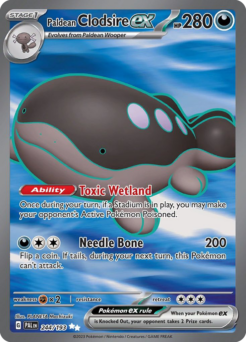
Using its horn, it bores holes in riverbed boulders, making nests to prevent its eggs from washing away.
Lost Thunder
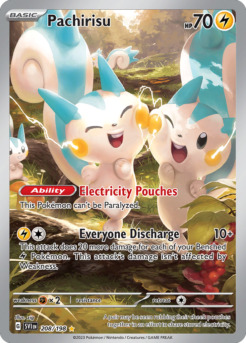
It violently flutters its wings to scatter toxic dust when attacked. It becomes active after sunset.
Lost Thunder
It unleashes psychic power from the orb on its forehead. When its power is exhausted, the orb grows dull and dark.
Fates Collide
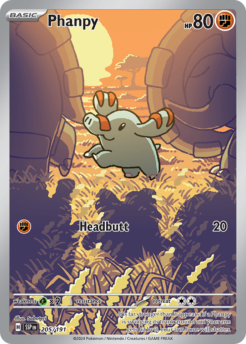
As it walks, it munches on a twig in place of a snack. It intimidates opponents by puffing hot air out of its ears.
Scarlet & Violet
This attack does 30 damage to 3 of your opponent’s Pokémon. (Don’t apply Weakness and Resistance for Benched Pokémon.)
Ähnliche Produkte
Sword & Shield
Only female Salazzle exist. They emit a gas laden with pheromones to captivate male Salandit.
Sword & Shield
Search your deck for up to 2 Pokémon, reveal them, and put them into your hand. Then, shuffle your deck.
Sword & Shield
Its flowers give off a relaxing fragrance. The stronger its aroma, the healthier the Roselia is.
Sword & Shield
With noises that could be mistaken for the rattles of maracas, it creates an upbeat rhythm, startling bird Pokémon and making them fly off in a hurry.
Sword & Shield
If any of your Grass Pokémon were Knocked Out by damage from an opponent’s attack during their last turn, this attack does 90 more damage.
Sword & Shield
They lay their eggs deep inside their nests. When attacked by Heatmor, they retaliate using their massive mandibles.
Sword & Shield
A constant collector of information, this Pokémon is very smart. Very strong is what it isn't.
Sword & Shield
Its venom sacs produce a fluid that this Pokémon then heats up with the flame in its tail. This process creates Salandit's poisonous gas.