



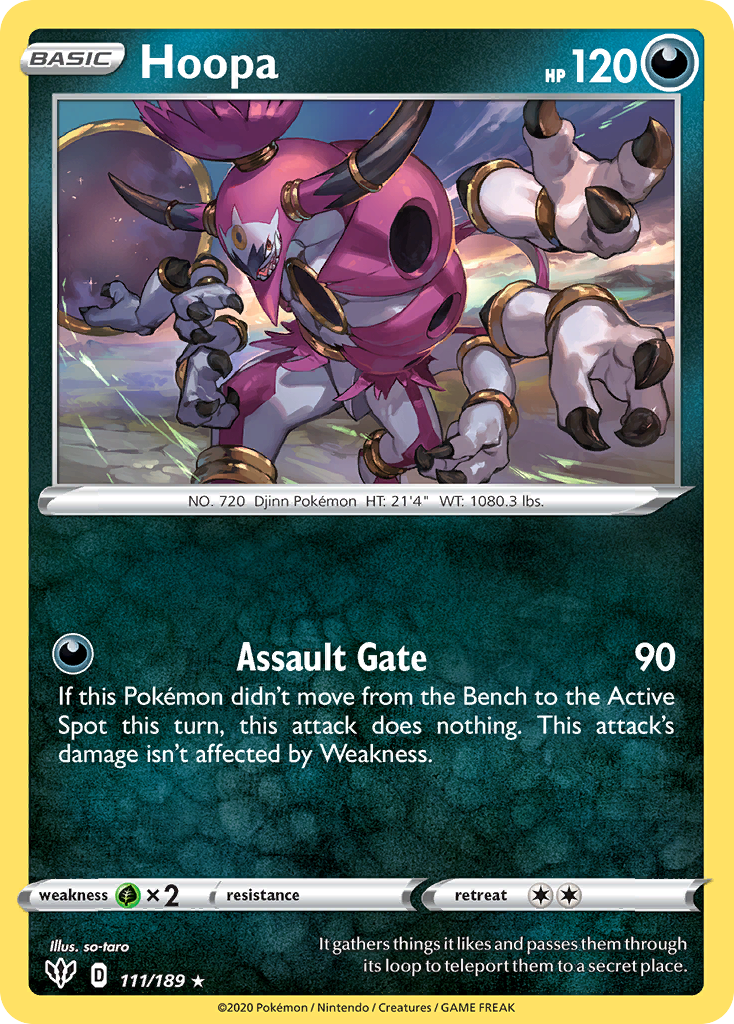
Hoopa
It gathers things it likes and passes them through its loop to teleport them to a secret place.
If this Pokémon didn’t move from the Bench to the Active Spot this turn, this attack does nothing. This attack’s damage isn’t affected by Weakness.
| Supertype | Pokémon |
|---|---|
| Subtype | Basic |
| HP | 120 |
| Types | Darkness |
| Attack | Assault Gate |
| Attack cost | Darkness |
| Artist | so-taro |
| Rarity | Rare Holo |
| Pokédex | 720 |
Vendor Information
- Store Name: DutchGem
- Vendor: DutchGem
-
Address:
gekkestraat
179
2345GT Utrecht

Battle Styles
Attach up to 3 Fire Energy cards from your discard pile to your Pokémon in any way you like.
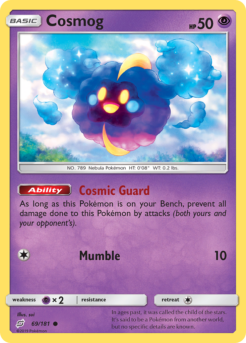
Sun & Moon
In ages past, it was called the child of the stars. It's said to be a Pokémon from another world, but no specific details are known.
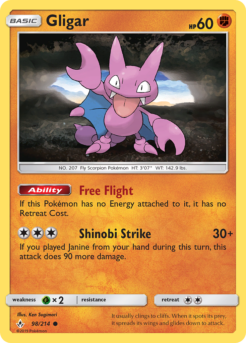
Sun & Moon
It usually clings to cliffs. When it spots its prey, it spreads its wings and glides down to attack.
Sword & Shield
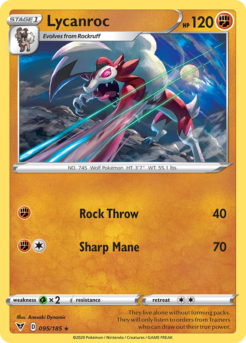
They live alone without forming packs. They will only listen to orders from Trainers who can draw out their true power.
Ähnliche Produkte
Sword & Shield
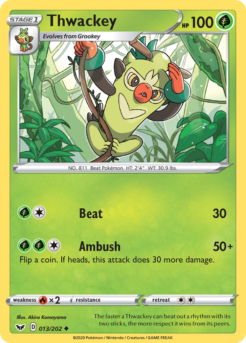
The faster a Thwackey can beat out a rhythm with its two sticks, the more respect it wins from its peers.
Sword & Shield
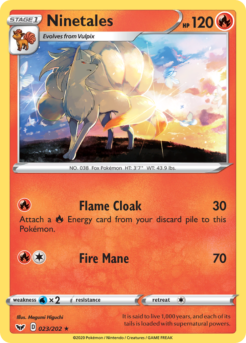
It is said to live 1,000 years, and each of its tails is loaded with supernatural powers.
Sword & Shield
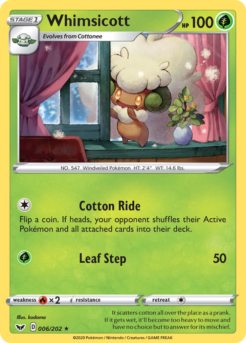
It scatters cotton all over the place as a prank. If it gets wet, it'll become too heavy to move and have no choice but to answer for its mischief.
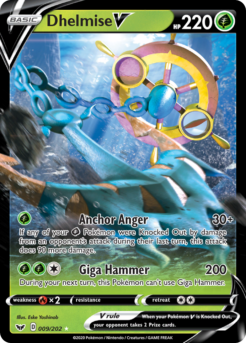
Sword & Shield
If any of your Grass Pokémon were Knocked Out by damage from an opponent’s attack during their last turn, this attack does 90 more damage.
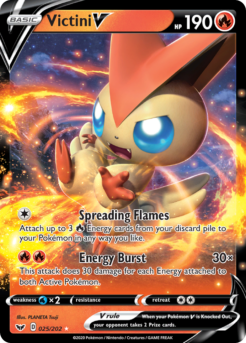
Sword & Shield
Attach up to 3 Fire Energy cards from your discard pile to your Pokémon in any way you like.
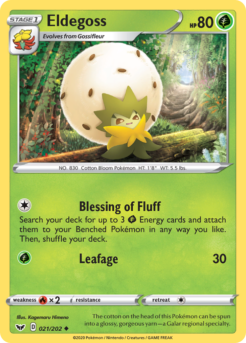
Sword & Shield
The cotton on the head of this Pokémon can be spun into a glossy, gorgeous yarn—a Galar regional specialty.
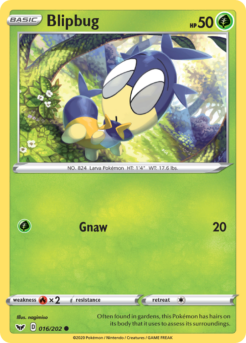
Sword & Shield
Often found in gardens, this Pokémon has hairs on its body that it uses to assess its surroundings.
Sword & Shield
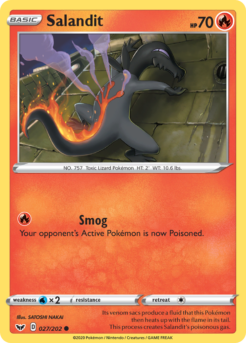
Its venom sacs produce a fluid that this Pokémon then heats up with the flame in its tail. This process creates Salandit's poisonous gas.