



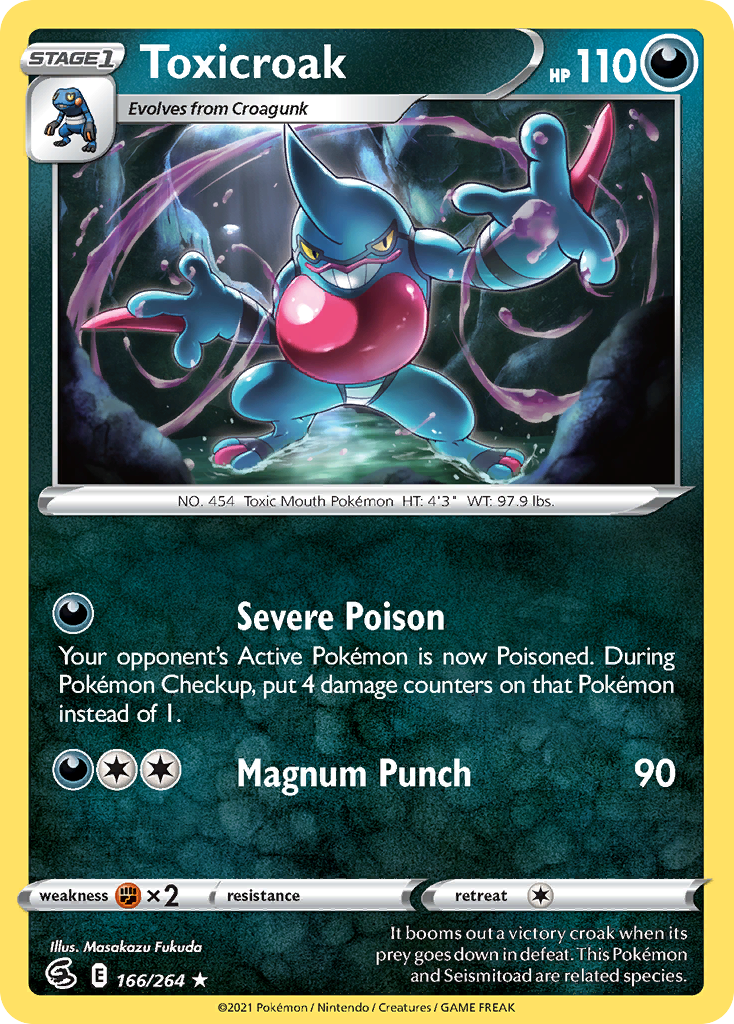
Toxicroak
It booms out a victory croak when its prey goes down in defeat. This Pokémon and Seismitoad are related species.
Your opponent’s Active Pokémon is now Poisoned. During Pokémon Checkup, put 4 damage counters on that Pokémon instead of 1.
| Supertype | Pokémon |
|---|---|
| Subtype | Stage 1 |
| HP | 110 |
| Types | Darkness |
| Attack | Severe Poison |
| Attack cost | Darkness |
| Artist | Masakazu Fukuda |
| Rarity | Rare |
| Pokédex | 454 |
| Evolves from | Croagunk |
Vendor Information
- Store Name: DutchGem
- Vendor: DutchGem
-
Address:
gekkestraat
179
2345GT Utrecht

Lost Origin
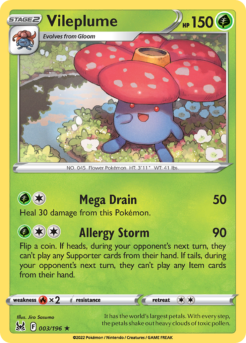
It has the world's largest petals. With every step, the petals shake out heavy clouds of toxic pollen.
Scarlet & Violet
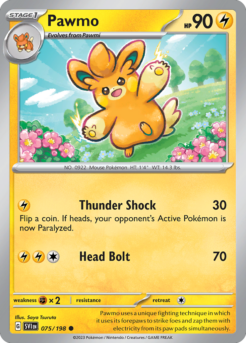
Pawmo uses a unique fighting technique in which it uses its forepaws to strike foes and zap them with electricity from its paw pads simultaneously.
Cosmic Eclipse
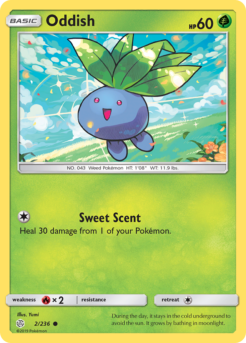
During the day, it stays in the cold underground to avoid the sun. It grows by bathing in moonlight.

Brilliant Stars
If this Pokémon has any damage counters on it, this attack does 100 more damage.
Ähnliche Produkte
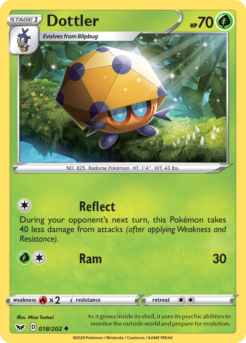
Sword & Shield
As it grows inside its shell, it uses its psychic abilities to monitor the outside world and prepare for evolution.
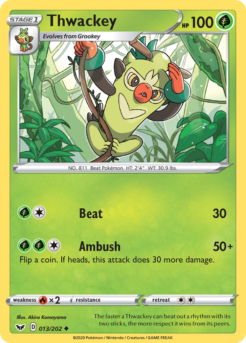
Sword & Shield
The faster a Thwackey can beat out a rhythm with its two sticks, the more respect it wins from its peers.
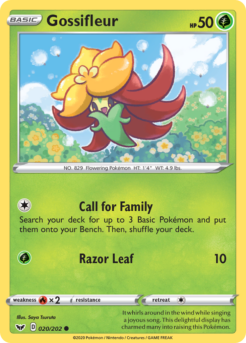
Sword & Shield
It whirls around in the wind while singing a joyous song. This delightful display has charmed many into raising this Pokémon.
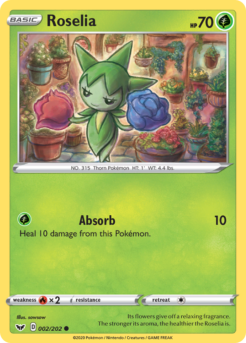
Sword & Shield
Its flowers give off a relaxing fragrance. The stronger its aroma, the healthier the Roselia is.
Sword & Shield
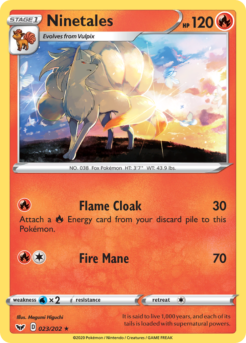
It is said to live 1,000 years, and each of its tails is loaded with supernatural powers.

Sword & Shield
Search your deck for up to 2 Pokémon, reveal them, and put them into your hand. Then, shuffle your deck.
Sword & Shield
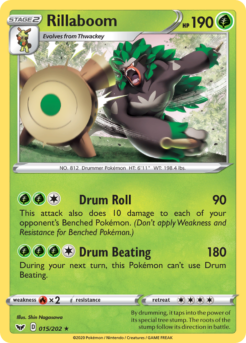
By drumming, it taps into the power of its special tree stump. The roots of the stump follow its direction in battle.
Sword & Shield
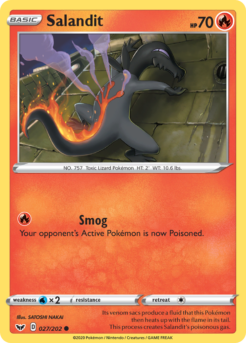
Its venom sacs produce a fluid that this Pokémon then heats up with the flame in its tail. This process creates Salandit's poisonous gas.