



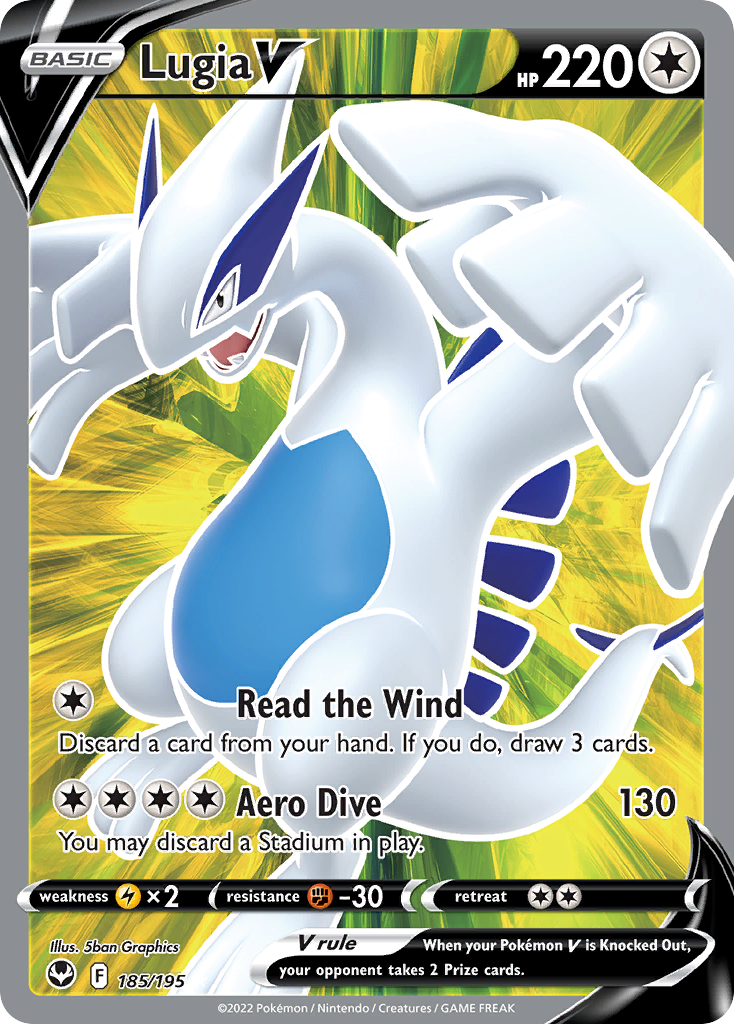
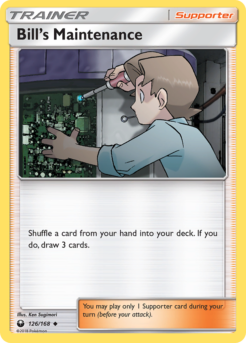
Discard a card from your hand. If you do, draw 3 cards.
| Supertype | Pokémon |
|---|---|
| Subtype | Basic |
| HP | 220 |
| Types | Colorless |
| Attack | Read the Wind |
| Attack cost | Colorless |
| Artist | 5ban Graphics |
| Rarity | Rare Ultra |
| Pokédex | 249 |
Vendor Information
- Store Name: DutchGem
- Vendor: DutchGem
-
Address:
gekkestraat
179
2345GT Utrecht
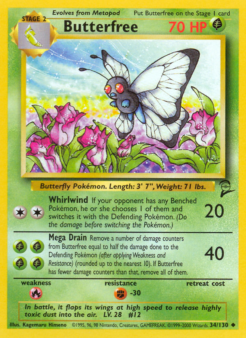
Base
In battle, it flaps its wings at high speed to release highly toxic dust into the air.
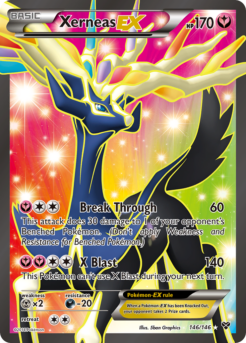
XY
This attack does 30 damage to 1 of your opponent’s Benched Pokémon. (Don’t apply Weakness and Resistance for Benched Pokémon.)
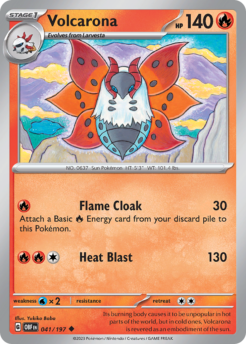
Obsidian Flames
Its burning body causes it to be unpopular in hot parts of the world, but in cold ones, Volcarona is revered as an embodiment of the sun.
Obsidian Flames
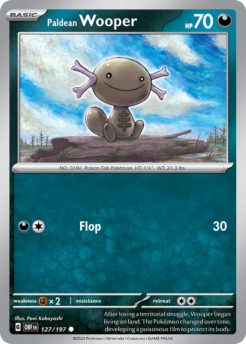
After losing a territorial struggle, Wooper began living on land. The Pokémon changed over time, developing a poisonous film to protect its body.
Sun & Moon
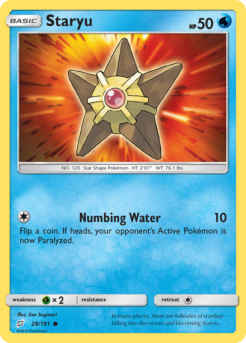
In many places, there are folktales of stardust falling into the ocean and becoming Staryu.
Ähnliche Produkte
Sword & Shield
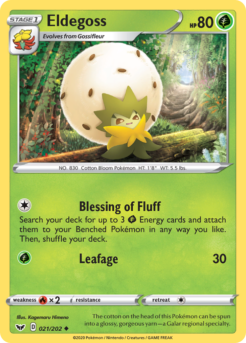
The cotton on the head of this Pokémon can be spun into a glossy, gorgeous yarn—a Galar regional specialty.
Sword & Shield
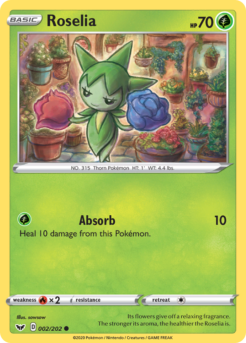
Its flowers give off a relaxing fragrance. The stronger its aroma, the healthier the Roselia is.
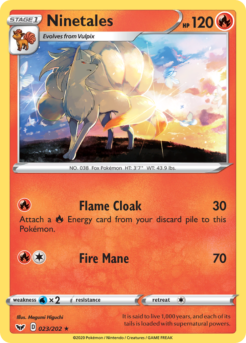
Sword & Shield
It is said to live 1,000 years, and each of its tails is loaded with supernatural powers.
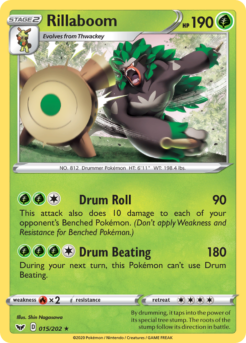
Sword & Shield
By drumming, it taps into the power of its special tree stump. The roots of the stump follow its direction in battle.
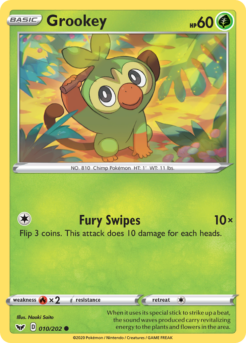
Sword & Shield
When it uses its special stick to strike up a beat, the sound waves produced carry revitalizing energy to the plants and flowers in the area.
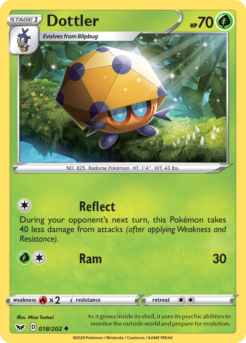
Sword & Shield
As it grows inside its shell, it uses its psychic abilities to monitor the outside world and prepare for evolution.
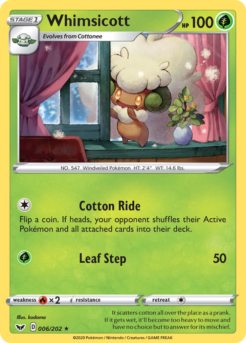
Sword & Shield
It scatters cotton all over the place as a prank. If it gets wet, it'll become too heavy to move and have no choice but to answer for its mischief.
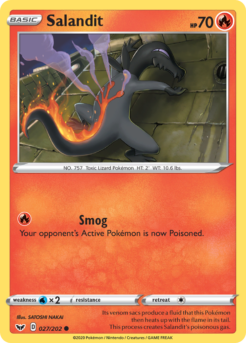
Sword & Shield
Its venom sacs produce a fluid that this Pokémon then heats up with the flame in its tail. This process creates Salandit's poisonous gas.